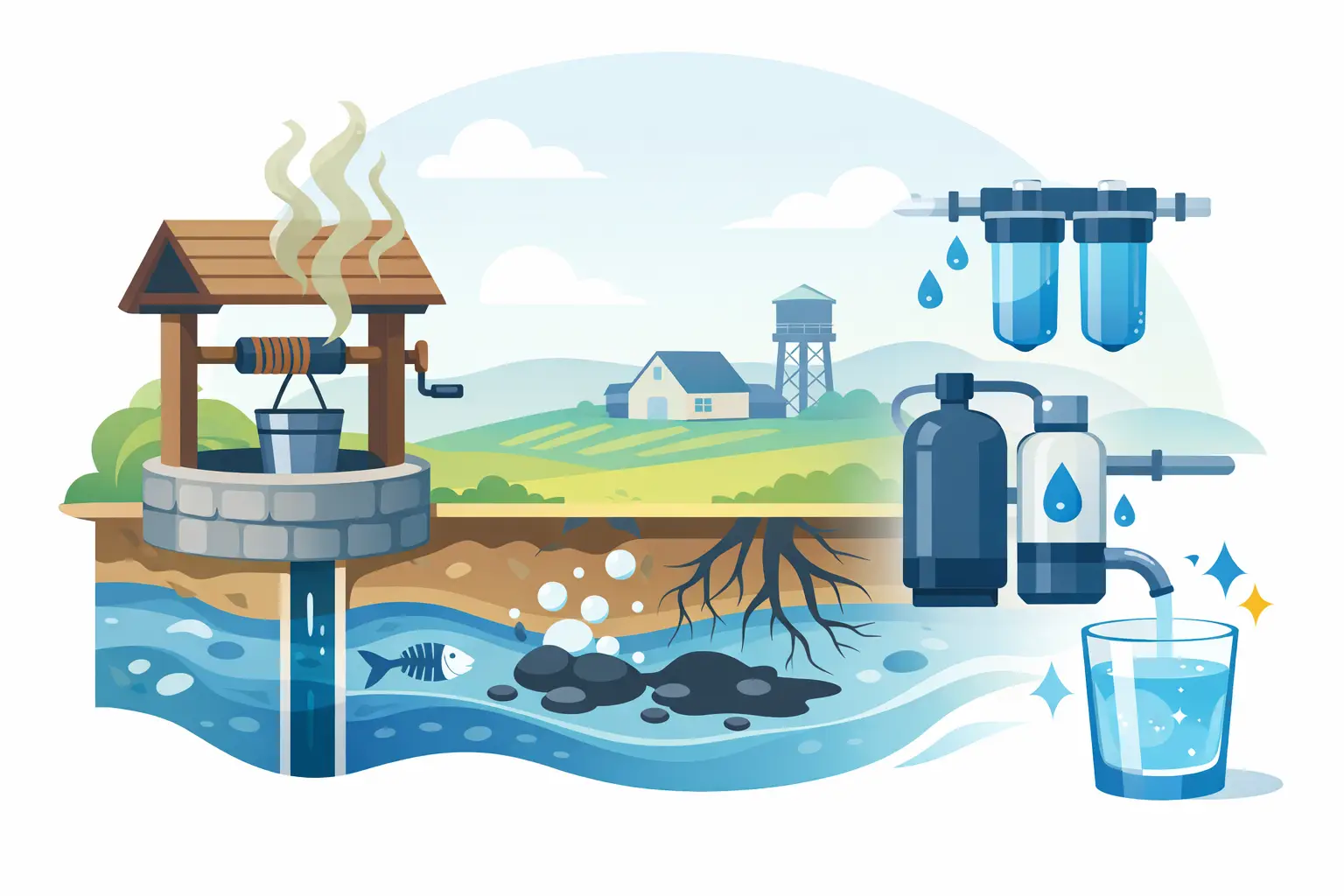

School Lead Filtration Case Study for Safer Water

A drinking fountain can look clean, run clearly, and still require attention. In older school buildings, lead concerns are often connected to plumbing components, solder, fixtures, and the length of time water sits in pipes – not necessarily the quality of water entering the building. This school lead filtration case study outlines a practical approach an Ontario school can use to identify risks, protect students and staff, and build a treatment plan that can be maintained with confidence.

The situation: concern at selected drinking fixtures

The school in this representative case was an established Ontario facility with a mix of older and newer plumbing. Administration wanted a clear plan after reviewing drinking water sampling results and recognizing that several fountains and bottle-filling stations were supplied by older branch lines.

The concern was not that every tap in the building had the same risk. Lead levels can vary from one outlet to another because each fixture has its own plumbing path, usage pattern, and stagnation time. A fountain used throughout the day may produce different results than a sink in a little-used hallway, staff room, or storage area.

The school’s objective was straightforward: provide dependable drinking water at designated student and staff outlets while creating a documented process for testing, filter replacement, and ongoing verification. Rather than treating the issue as a one-time repair, the facility team approached it as a water safety and asset-management project.

Why lead required a fixture-by-fixture response

Lead is a plumbing-related issue that calls for careful diagnosis. Water can pick up lead as it moves through certain service lines, fittings, brass components, soldered connections, or older fixtures. Water that remains unused in a pipe for hours, overnight, or over a weekend may have more contact time with those materials.

This is why a single water sample at the building entrance does not answer the full question. Incoming water may meet expectations while water at an individual drinking fountain requires action. Sampling needs to reflect real use conditions and follow the applicable Ontario requirements and guidance for schools.

The facility also had to distinguish between drinking water outlets and other fixtures. Kitchen sinks, classroom taps, fountains, bottle fillers, staff-room taps, and care-room sinks each needed to be reviewed according to how they were used. A treatment plan focused first on water intended for drinking or food preparation, then addressed other outlets where appropriate.

The assessment: test first, then design the solution

Before selecting equipment, the project team mapped the school’s drinking water outlets. This included noting fixture locations, likely plumbing age, traffic levels, accessibility, and whether a fountain could be temporarily removed from service without disrupting students.

Water testing was the foundation of the plan. Proper sampling and laboratory analysis help identify which locations need immediate controls and which may simply need continued monitoring. Testing also provides a baseline that can be used after treatment is installed.

The review considered more than lead alone. Water pressure, flow rate, sediment, turbidity, chlorine levels, and the condition of existing fixtures can all affect the performance and service life of a filter. For example, sediment can shorten cartridge life, while an incorrectly sized filter can reduce flow at a busy bottle-filling station. A school needs equipment that improves water quality without creating lineups or unreliable fountains.

Canadian Smart Home Solutions would typically review these site conditions before recommending a commercial or institutional treatment setup. The goal is not to install the most equipment possible. It is to install the right equipment at the right locations, with a service plan the school can realistically follow.

The treatment decision: certified point-of-use filtration

For this type of project, point-of-use lead filtration was selected for designated drinking water fixtures. This means the filter is installed close to the point where students and staff fill a bottle or take a drink. The approach targets the water people consume, including lead that may be introduced by plumbing downstream from a central treatment system.

The selected filtration equipment needed to be certified for lead reduction and sized for the expected flow and usage. Certification matters because not every carbon filter is designed or tested to reduce lead. A filter may improve taste and reduce chlorine odour while offering little or no protection for the specific contaminant of concern.

Why a whole-building filter was not the only answer

Whole-building filtration can be valuable for sediment, chlorine, hardness, iron, sulphur, or other broad water quality concerns. It can also protect plumbing and equipment. However, it may not be the complete lead-control strategy when potential lead sources exist within the building’s internal plumbing after the central treatment point.

In this case, targeted filtration at fountains and bottle fillers offered a direct, manageable safeguard. It also allowed the school to prioritize high-use drinking outlets first. That said, point-of-use filters are not a substitute for replacing lead-containing plumbing where replacement is warranted. Filtration and plumbing upgrades can work together, especially in phased capital plans.

Installation: protecting access while reducing disruption

Installation was scheduled around the school calendar and daily traffic patterns. Work was completed in stages so the school could keep enough drinking water stations available. Any fixture awaiting service or verification was clearly identified and managed according to the school’s procedures.

Each installed unit was labelled with its service information. The label identified the filter type, installation date, expected replacement schedule, and responsible maintenance contact. This may sound basic, but it prevents a common failure point: a high-performing filter left in service past its rated capacity.

The installation team also checked for leaks, secure mounting, adequate flow, and easy access for future cartridge changes. A filter that is difficult to reach is more likely to be neglected. In a busy school, maintainability is part of safety.

Verification: treatment is only useful when performance is confirmed

After installation, the school arranged follow-up testing at treated outlets. Post-installation sampling helps confirm that the system is performing as intended under actual site conditions. It also gives administrators evidence that the project is delivering a measurable improvement, not simply adding equipment.

The verification process included reviewing filter specifications, installation records, and sampling results together. If a result requires further investigation, the response should not default to assumptions. The school may need to review plumbing conditions, fixture components, stagnation patterns, sample collection procedures, or filter installation details.

This is also where a practical difference becomes clear: a water filter is a component of a lead-management program, not the program itself. Safe drinking water depends on correct equipment, correct installation, routine maintenance, testing, communication, and timely action when conditions change.

Ongoing maintenance: the part that protects the investment

The school created a simple maintenance schedule tied to filter capacity, manufacturer guidance, and the actual volume of water used at each fixture. High-traffic bottle fillers may need more frequent service than a low-use staff-room tap. School holidays, summer shutdowns, and changes in building occupancy should also be considered because they affect water use and stagnation.

A strong maintenance record should include the fixture location, cartridge replacement date, filter model, technician or staff member completing the work, and any observations such as reduced flow or visible sediment. Keeping this information in one accessible log makes compliance reviews and future planning much easier.

The school also established a response plan for unusual results, damaged units, or missed filter changes. That plan identified who would take a fixture out of service, who would arrange service, and how staff would communicate the temporary change. Clear responsibility avoids delays when prompt action matters.

What this school lead filtration case study shows

The central lesson is that lead control in schools is rarely solved by one product alone. Testing identifies the outlets that need attention. Certified point-of-use filtration can provide targeted protection at drinking water locations. Proper installation and post-treatment verification confirm the system is doing its job. Scheduled maintenance keeps that protection in place.

The right approach depends on the building’s plumbing, fixture layout, water test results, usage levels, and long-term capital plan. A newer school may need a limited fixture-based solution. An older facility with extensive plumbing concerns may need filtration now alongside planned fixture or pipe replacement later.

For school administrators and property managers, the next helpful step is to treat drinking water as an operational priority: document the fixtures, test properly, select equipment based on verified needs, and put service dates on the calendar before the first cartridge is installed.

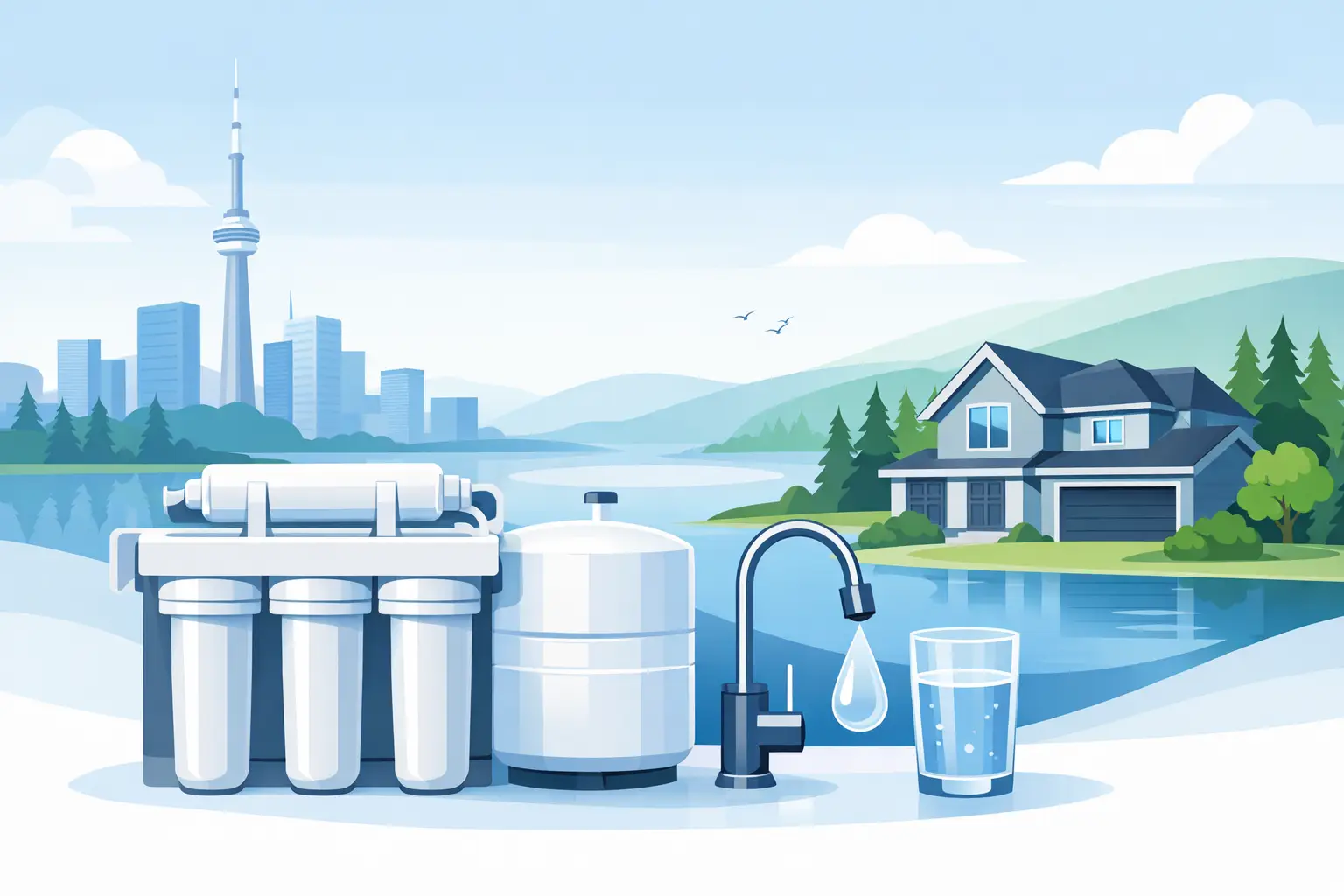
How to Size a Commercial Water System Properly

A commercial water treatment system that is too small rarely fails quietly. Guests notice low pressure during busy periods. Staff deal with scale on equipment, staining in washrooms, unpleasant odours, or repeated filter changes. In healthcare, food service, schools, and multi-unit buildings, a poorly sized system can also create serious operational and water-quality concerns. Knowing how to size commercial water system equipment starts with understanding what the building actually demands – not simply choosing the largest unit available.

Commercial sizing requires a site-specific approach. The right system must deliver the required flow and pressure, treat the water conditions present at the property, accommodate regeneration or backwash cycles, and remain practical to maintain over time. A system that performs well for a small office may be completely inadequate for a hotel, nursing home, restaurant, or manufacturing facility.

Start With the Building’s Real Water Demand

The first sizing question is not how many litres the building uses in a month. It is how much water it needs at the busiest moment of the day.

A monthly water bill is useful for estimating total consumption, but treatment equipment must be sized around peak flow rate, typically measured in litres per minute or gallons per minute. A building can have moderate monthly use and still require high short-term flow when several fixtures, commercial appliances, showers, kitchens, laundry equipment, or process lines operate at once.

For a commercial property, review fixture counts, occupancy, operating hours, and equipment specifications. A hotel may experience its highest demand in the morning when guests shower and housekeeping begins. A restaurant may have concentrated demand around meal service and dishwashing. A school can see sharp usage peaks during breaks, while a care facility may require steadier water availability throughout the day.

Plumbing fixture units and local plumbing code calculations can help establish an expected peak demand. For facilities with specialized equipment, manufacturer flow requirements should be included directly. This may include commercial dishwashers, combi ovens, sterilizers, boilers, ice machines, laundry systems, dialysis equipment, or process water equipment.

Do not assume every fixture will run at once, but do not size strictly to average demand either. The objective is a realistic diversified peak flow that protects service during normal high-use conditions.

Allow for pressure loss through treatment

Every treatment component creates some pressure drop. Filters, softeners, carbon media, ultraviolet systems, reverse osmosis equipment, piping, valves, and flow meters all reduce pressure to some degree.

The incoming supply pressure must be measured under both static and flowing conditions. A building may show acceptable pressure when no water is being used, then lose significant pressure when demand increases. Treatment equipment must be selected so that it can meet the required flow while preserving usable pressure at the farthest and highest-demand fixtures.

This is particularly important in older Ontario buildings, properties supplied by wells, and facilities with long piping runs. In some cases, a booster pump, pressure tank, larger piping, or a different treatment configuration is needed to maintain reliable delivery.

Test the Water Before Selecting Equipment

Flow rate tells you how much capacity the system needs. Water testing tells you what the system must remove or control.

Commercial water treatment is not one product. A water softener will reduce hardness minerals, but it will not reliably solve bacterial concerns, lead, sediment, sulphur odour, iron staining, chlorine taste, or every dissolved contaminant. Selecting equipment before testing often leads to incomplete treatment, avoidable maintenance costs, and disappointing results.

A proper water analysis should reflect the water source and the building’s needs. Municipal water may require treatment for hardness, chlorine, chloramine, lead risk, sediment, taste, or specific application requirements. Well and lake water systems often require more extensive testing for iron, manganese, sulphur, turbidity, bacteria, hardness, pH, and other conditions that affect treatment performance.

The treatment goal matters as much as the test result. For example, a hotel may need softened water to protect boilers, laundry equipment, and hot-water systems. A restaurant may need carbon filtration and reverse osmosis for better-tasting drinking water and ice. A healthcare facility may require carefully engineered treatment for specific equipment or water safety protocols.

How to Size a Commercial Water System by Treatment Type

Once demand and water quality are understood, each part of the treatment train can be sized around its role. The system should work as a coordinated package, not as a collection of unrelated devices.

Sediment and multimedia filtration

Sediment filtration protects downstream equipment from sand, silt, rust, and suspended particles. Cartridge filters can be effective for lower-flow applications or fine polishing, but high-use commercial sites may require large housings, duplex arrangements, automatic backwashing filters, or multimedia systems to avoid frequent pressure loss and maintenance interruptions.

The filter must handle the peak flow without excessive pressure drop. It also needs adequate dirt-holding capacity or backwash capability based on the amount of sediment in the supply. A filter that looks properly sized on paper can become restrictive quickly if source water contains heavy particulate matter.

Water softeners

Commercial softener sizing is based on two factors: the peak service flow and the daily hardness load. Hardness is commonly measured in grains per gallon or milligrams per litre as calcium carbonate, while water use is measured by volume.

A simple hardness-load calculation combines daily water consumption with the water hardness level. That calculation helps determine resin capacity and regeneration frequency. However, capacity alone is not enough. The softener must also deliver the building’s peak flow without hardness breakthrough or an unacceptable pressure drop.

For many commercial properties, duplex or triplex softeners are the practical choice. These systems allow one tank to regenerate while another remains in service, maintaining a continuous supply of softened water. Single-tank systems can work in lower-demand settings, but they may leave a building without treated water during regeneration unless storage or operating schedules compensate for that downtime.

Carbon filtration and speciality media

Activated carbon is commonly used to reduce chlorine, unpleasant taste, odours, and certain organic compounds. The required media volume depends on the target contaminant, contact time, water temperature, flow rate, and expected service life.

Iron, manganese, and sulphur treatment systems require similar care. Media selection depends on the concentration of contaminants, pH, dissolved oxygen, bacterial activity, and whether oxidation, air injection, chemical feed, or backwashing is required. These applications should be engineered from complete water test data rather than estimated from staining or odour alone.

Ultraviolet disinfection

Ultraviolet systems are sized by validated flow rate, not just lamp wattage. Water clarity is critical because turbidity, sediment, iron, and hardness scale can reduce UV performance. Pre-filtration may be necessary before UV treatment, especially for well water or lake water.

For facilities where water safety is a priority, the system should include the appropriate monitoring, alarms, maintenance access, and operating procedures. UV lamps and sleeves require scheduled service to maintain performance.

Reverse osmosis systems

Commercial reverse osmosis systems require a different approach because they produce treated water at a controlled rate rather than matching all building flow directly. Sizing begins with daily permeate demand, required production rate, feed-water quality, recovery rate, storage capacity, and peak drawdown.

A restaurant, office, or school may use an RO system with a storage tank and delivery pump to meet intermittent high demand for drinking water, beverage equipment, or ice machines. Pretreatment is essential. Hardness, chlorine, sediment, iron, and microbiological conditions can damage membranes or shorten their service life if not addressed first.

Plan for Backwash, Regeneration, Drainage, and Space

A commercial treatment system also needs water to operate itself. Backwashing filters and regenerating softeners require adequate flow to drain, sufficient drainage capacity, and access to electricity where controls or pumps are used. If the drainage line is undersized or improperly installed, the system may not clean its media effectively.

Equipment space matters. The installation area should allow room for service access, salt delivery where softeners are used, chemical storage when applicable, membrane maintenance, replacement filters, and safe drainage connections. Mechanical rooms that look spacious during planning can become difficult to service once tanks, piping, bypass valves, and storage equipment are installed.

Ask early whether the facility can tolerate downtime. If not, redundancy should be part of the design. Parallel filtration, duplex softeners, duty-and-standby pumps, and bypass arrangements can protect operations while maintenance is performed.

Size for Growth Without Oversizing Blindly

Future expansion should be considered where it is likely. A growing care facility, planned hotel addition, new commercial kitchen, or occupancy increase can change water demand quickly. Building some expansion capacity into the design may be less expensive than replacing the system later.

But bigger is not automatically better. Oversized equipment can increase capital cost, take up unnecessary space, use more salt or water during regeneration, and perform poorly if operating flows are too low for proper backwashing. The best design provides a reasonable margin for anticipated growth while keeping the system efficient under current operating conditions.

Use a Site Assessment to Confirm the Design

Commercial water system sizing should be confirmed through a site assessment that combines water testing, flow and pressure measurements, plumbing review, equipment requirements, and installation constraints. This process identifies details that a water bill or quick online calculation cannot reveal, including peak pressure loss, drain limitations, treatment sequencing, and service access.

Canadian Smart Home Solutions designs and installs commercial water treatment systems for properties that need dependable flow, effective filtration, and practical long-term support. A properly sized system should do more than improve the water on day one. It should protect equipment, reduce maintenance burdens, and keep working when the building is at its busiest.

Reverse Osmosis System Review for Ontario Homes

A reverse osmosis system review should start with your water, not a box on a shelf. A family on chlorinated municipal water in Mississauga may want cleaner-tasting drinking water and added protection from lead. A rural homeowner with well water may first need to address iron, sulphur odours, hardness, or bacteria before an under-sink reverse osmosis unit can perform as intended.

Reverse osmosis, often called RO, is one of the most effective point-of-use treatments for improving drinking water quality. It can reduce many dissolved contaminants that ordinary carbon filters do not fully address. But performance depends on the system design, the incoming water conditions, proper installation, and consistent maintenance. The best system is not necessarily the one with the most filter stages. It is the one that solves a verified water problem reliably.

What a Reverse Osmosis System Should Do

An RO system pushes water through a semipermeable membrane that separates many dissolved solids from the drinking water supply. Most residential systems also include sediment and carbon prefilters, plus a final carbon filter to improve taste before water reaches the dedicated faucet.

When properly specified, reverse osmosis can help reduce total dissolved solids, sodium, lead, fluoride, certain heavy metals, and many other dissolved substances. Carbon stages also help reduce chlorine, chloramine in appropriately designed systems, and unpleasant tastes or odours. The exact reduction depends on the contaminant, membrane quality, water pressure, filter condition, and the system’s certification or tested performance data.

That distinction matters. No responsible review should suggest that every RO unit removes every possible contaminant. If bacteria are a concern, particularly with private wells, ultraviolet disinfection or another verified microbial treatment step may be required. If water contains heavy iron or sediment, pretreatment is usually necessary to prevent rapid membrane fouling.

Reverse Osmosis System Review: The Factors That Matter

Start with a water test

The first question is simple: what is actually in the water? Municipal water reports offer useful background, but they do not replace testing at your tap when you are concerned about lead, taste, hardness, or plumbing-related issues. Well water should be tested regularly because quality can change with seasons, groundwater conditions, and nearby land use.

A useful review considers hardness, iron, manganese, pH, total dissolved solids, chlorine or chloramine, and any specific concern such as lead, nitrate, or sulphur. This prevents an expensive mistake: installing an RO system to solve a whole-home problem it was never designed to address. An under-sink unit treats drinking and cooking water, not the water feeding showers, laundry, dishwashers, or water heaters.

Look beyond the number of stages

Five-stage, six-stage, and seven-stage labels can be helpful, but stage count alone is not a measure of quality. One system may add a remineralization cartridge, while another may count a basic inline polishing filter as an additional stage. What matters is the function of each component and whether it serves your water conditions.

A strong residential system generally includes sediment protection, carbon prefiltration, a quality RO membrane, post-filtration for taste, and a properly sized storage tank or tankless delivery design. If your water is hard, a water softener ahead of the RO system can protect the membrane and extend its service life. For homes with chlorine or chloramine, the carbon media and contact time should be appropriate for the disinfectant used by the local utility.

Check recovery rate and wastewater expectations

Reverse osmosis creates purified water and a separate stream that carries concentrated dissolved material away from the membrane. This is normal. A system that claims zero wastewater should be examined carefully, because membrane separation requires a way to flush rejected contaminants.

Modern systems can be significantly more efficient than older designs, especially when they use permeate pumps, recirculation, or efficient tankless technology. Still, recovery rates vary with incoming pressure, water temperature, membrane condition, and system design. A review should give clear expectations about water use rather than treating wastewater as a hidden detail.

For many Ontario households, the trade-off is reasonable when the system is used for drinking, cooking, coffee, tea, infant formula preparation, and pet water. It may be less suitable if the goal is to supply large volumes of purified water continuously without considering a higher-capacity design.

Consider flow rate, storage, and household habits

A conventional RO system stores treated water in a pressure tank. It is a proven design that provides a reserve for normal household use, but it needs space below the sink and delivers water at a slower rate as the tank empties. Tankless systems save cabinet space and can provide higher production rates, although they require electricity and may cost more upfront.

The right option depends on your household. A couple using purified water mainly for drinking has different needs than a busy family filling water bottles, preparing meals, and using a refrigerator water line. Ask how much water the system can produce daily, how quickly it refills, and whether it can support the fixtures you intend to connect.

Installation Is Part of System Performance

An RO system can be well built and still perform poorly when installed incorrectly. The installation should account for available sink space, drain connection, feed-water valve, water pressure, faucet placement, and access for future filter changes. Refrigerator connections need proper tubing, shutoff provisions, and sufficient pressure for dependable ice and water dispensing.

Ontario homes also vary widely in plumbing age and layout. In older properties, lead service lines or legacy plumbing may create concerns that need a broader assessment. In homes with low pressure, a booster pump may be needed for the membrane to work effectively. In condominium units, access restrictions and building rules can affect drain connections and installation options.

Professional installation also helps prevent small issues that create major frustration later, such as slow flow, leaks, noisy drain lines, inaccessible filters, or improperly secured fittings. Canadian Smart Home Solutions approaches RO installation as part of a complete water treatment plan, particularly where softening, iron removal, UV treatment, or whole-home filtration must work together.

Maintenance Costs Should Be Clear Up Front

Every RO system has ongoing costs. Sediment and carbon filters commonly need replacement every six to 12 months, depending on water quality and consumption. RO membranes often last longer, commonly two to five years, but hard water, sediment, chlorine breakthrough, or neglected prefilters can shorten that lifespan.

A worthwhile review looks at annual ownership cost, not only purchase price. Ask whether replacement filters are readily available, whether they are proprietary, how difficult service access will be, and what warranty applies to the system and its components. Low-priced units can become costly if replacement cartridges are difficult to source or if the membrane fails prematurely due to inadequate pretreatment.

Regular service also gives an opportunity to inspect fittings, sanitize the system when appropriate, verify pressure, and check whether taste or flow has changed. A sudden drop in flow, unusual taste, or leaking connection should be addressed promptly rather than ignored until the system stops producing water.

When Reverse Osmosis Is Not the First Step

RO is excellent for drinking water treatment, but it is not a substitute for treating severe water problems at their source. If you see orange staining, black deposits, rotten-egg odours, scale buildup, or cloudy water throughout the house, start with a proper water analysis and a whole-home solution.

Hardness can damage appliances and leave scale on fixtures. Iron and manganese can stain laundry and foul filters. Sulphur can create odours that an under-sink system will not eliminate from showers. Bacteria require disinfection strategies appropriate to the water source. Addressing these concerns before or alongside RO protects equipment and provides better water at every tap.

For commercial kitchens, schools, healthcare facilities, and other high-use properties, a residential under-sink unit is rarely enough. These applications may need engineered systems with higher flow rates, storage, pretreatment, monitoring, and scheduled service support.

A dependable RO system should leave you with water you are comfortable serving, cooking with, and giving to your family – without turning filter changes or plumbing worries into another household task. Test first, match the equipment to the problem, and choose installation and service support that will still be there when your water needs change.

Why Does Well Water Smell? Causes and Fixes

A glass of water can look perfectly clear and still make you hesitate before taking a sip. If you are asking, why does well water smell, the odour is often a useful clue about what is happening in your well, plumbing, water heater, or nearby environment. It does not automatically mean your water is unsafe, but it should not be ignored – especially when the smell is new, stronger than usual, or paired with changes in colour, taste, or staining.

For Ontario homeowners, well water quality can vary considerably from one property to the next. Groundwater moves through different soil and rock conditions, and it can pick up naturally occurring minerals, gases, and organic material along the way. A proper water test is the fastest way to move from guessing to a treatment solution that addresses the real cause.

Why Does Well Water Smell Like Rotten Eggs?

The classic rotten-egg smell is usually caused by hydrogen sulphide gas. Even at low concentrations, hydrogen sulphide has a strong sulphur odour. It may be naturally present in groundwater, or it can be produced when sulphur bacteria interact with sulphates in the water supply.

Hydrogen sulphide itself is not usually a health concern at the low levels found in residential wells. The practical problems are difficult to live with: unpleasant drinking water, odours in showers and laundry, black staining on fixtures, and corrosion that may shorten the life of plumbing components and appliances.

The location of the odour helps narrow down the source. If every cold-water tap smells, the issue is likely in the well water itself. If only hot water smells, the water heater is the more likely cause. A magnesium anode rod inside the heater can react with water chemistry and create conditions that intensify the sulphur smell. In that case, adjusting or replacing the anode rod may help, but it does not resolve a well-water sulphur problem throughout the home.

For a persistent whole-home odour, treatment commonly involves oxidation and filtration. Depending on the water analysis, an air-injection system, chemical oxidation system, catalytic media filter, or a combined iron and sulphur removal system may be recommended. The right choice depends on sulphur levels, pH, iron, manganese, flow rate, and how much water the household uses.

Musty, Earthy, or Sewage-Like Well Water Odours

A musty or earthy smell can come from organic matter in groundwater. Leaves, surface runoff, decaying vegetation, and naturally occurring organisms can affect a shallow or vulnerable well. This type of smell may become more noticeable after heavy rain, snowmelt, flooding, or a long period of low water use.

A sewage-like odour deserves more immediate attention. It can indicate bacterial activity, a compromised well cap, poor grading around the well, a damaged casing, or a septic system concern. The smell alone cannot identify the exact problem, which is why testing is essential. At minimum, homeowners should test for total coliform and E. coli bacteria when contamination is suspected.

Do not rely on a smell test to decide whether water is safe for drinking. Many contaminants have no odour or taste, while some unpleasant smells are caused by naturally occurring substances that are not dangerous at typical household levels. If the well has been flooded, if the cap is damaged, or if the water suddenly changes after construction or septic work nearby, avoid treating the problem as a simple nuisance.

A qualified inspection can check the wellhead, cap, casing, vent, drainage, and potential pathways for surface water. Shock chlorination may be appropriate in specific situations, but it is not a permanent cure for recurring bacteria or a structural issue. If bacteria continue to return, the source of contamination must be corrected. A properly sized ultraviolet sterilizer can provide ongoing disinfection after water has been pre-filtered for sediment and clarity.

Other Well Water Smells and What They Can Mean

Not every odour points to sulphur. Some smells are connected to minerals, plumbing materials, or treatment equipment that needs service.

Metallic or blood-like odour

Iron and manganese can create a metallic taste or odour, often alongside orange, brown, or black staining in sinks, toilets, dishwashers, and laundry. These minerals are common in Ontario well water and can build up in pressure tanks, pipes, fixtures, and appliances.

A water softener can reduce hardness, but it is not always the best standalone solution for high iron or manganese. In many cases, a dedicated iron removal or oxidation filtration system should be installed ahead of other treatment equipment. Correct sequencing matters because it protects the rest of the system and helps maintain dependable flow.

Chlorine or chemical odour

Most private well owners do not have chlorine added continuously to their supply, so a bleach-like smell may occur after shock chlorination or after a service professional disinfects the well. The odour should fade as the system is flushed according to the disinfection procedure.

If a chemical or solvent-like smell appears without recent treatment, take it seriously. Do not drink the water until the cause is assessed. Contact the appropriate local authority if there is a suspected fuel, pesticide, industrial, or other chemical source near the well.

Fishy, swampy, or stale smell

A fishy or swampy odour can result from organic compounds, bacteria in drains, or water that has been sitting in plumbing. Start by checking whether the smell comes from the water itself or from the drain. Fill a clean glass, walk away from the sink, and smell it there. If the odour disappears, the drain may need cleaning rather than the water system needing treatment.

If the odour remains in the glass and is present at several taps, test the water. Stale water in an infrequently used property may improve with flushing, but recurring odours call for a more complete assessment.

Test Before You Choose a Treatment System

It is tempting to buy a filter based on the smell alone. That can lead to an undersized system, unnecessary equipment, or a solution that works briefly but does not address the source. Well water treatment should be based on a current water analysis and a review of the home’s plumbing and water demand.

A useful test can assess bacteria, iron, manganese, hardness, pH, sulphur, tannins, total dissolved solids, and other concerns relevant to the property. Where local conditions or household needs warrant it, testing may also include lead, arsenic, nitrates, sodium, and additional parameters. Families with infants, elderly residents, or immunocompromised household members should be especially careful about unexplained water changes.

The timing of the test matters. If the smell is intermittent, collect samples when the issue is most noticeable. Mention whether the odour occurs in hot water, cold water, after rainfall, first thing in the morning, or only after the water has been unused. Those details help identify whether the source is the aquifer, well, plumbing, or water heater.

Choosing a Lasting Solution for Smelly Well Water

The best treatment depends on the cause. A sediment filter may protect equipment from particles, but it will not remove dissolved hydrogen sulphide. A water softener may improve hard-water scale, but it is not designed to resolve every iron, manganese, or bacterial issue. Reverse osmosis can improve drinking water at a dedicated tap, while a whole-home system is generally needed when odours affect showers, laundry, fixtures, and appliances.

For many well-water properties, a complete approach may include a sediment pre-filter, oxidation or iron-and-sulphur filtration, a water softener for hardness, and UV disinfection where bacteria protection is required. This is not a standard package for every home. High-flow homes, farms, rental properties, and commercial facilities need equipment engineered around peak demand, water pressure, and ongoing maintenance requirements.

Professional installation also protects the performance of the system. Treatment equipment needs proper drain connections, bypasses, backwash capacity where required, adequate electrical supply, and placement that allows service access. Poorly installed equipment can create pressure loss, ineffective regeneration, leaks, or inconsistent water quality.

Canadian Smart Home Solutions helps Ontario property owners identify the source of water quality concerns and select treatment systems that solve the problem throughout the property, not only at one faucet. The goal is straightforward: water that smells better, tastes better, protects fixtures and appliances, and gives your household greater confidence every day.

A change in your well water’s smell is worth investigating while it is still only an inconvenience. With accurate testing and correctly matched treatment, the water from your own well can become one of the most dependable parts of your home.

Smart Home Water Monitoring Trends in Ontario

A pinhole leak behind a finished wall can waste thousands of litres before a homeowner sees a stain or a higher water bill. That is why smart home water monitoring trends are gaining attention across Ontario. The strongest systems do more than send an alert to a phone. They help property owners identify abnormal water use early, shut off water during a serious leak, and protect the equipment that depends on a reliable water supply.

For homeowners, this technology can add useful protection to a whole-home water treatment plan. For property managers, hotels, schools, and care facilities, it can provide greater visibility across high-use plumbing systems. But monitoring is not the same as water treatment. A smart device may detect a flow problem, yet it cannot confirm whether water contains lead, bacteria, iron, sulphur, or excessive hardness. Knowing where monitoring helps – and where professional testing and treatment remain essential – leads to better decisions.

Smart Home Water Monitoring Trends That Matter

The most practical trend is the move from basic leak alarms to whole-home flow monitoring. Traditional leak sensors sit under a sink, beside a water heater, or near a washing machine. They are affordable and useful, but they only detect water after it reaches that location. A whole-home monitor is installed on the main water line and watches water flow throughout the property.

When the system sees continuous flow that does not match normal household patterns, it can send an alert. Some models can also work with an automatic shut-off valve to stop the water supply. This matters when a leak begins while residents are at work, away for the weekend, or managing a seasonal property.

The benefit depends on correct setup. A busy household may use water at irregular times, while a home with irrigation, a humidifier, a water softener, or a reverse osmosis system may have normal flow patterns that look unusual to a monitor. Installation and programming should account for the property’s actual plumbing and water-using equipment.

Automatic shut-off is becoming a key feature

Monitoring without action has limits. Phone alerts are valuable, but a homeowner may not see one immediately. Automatic shut-off systems are becoming more common because they can reduce the duration of a major leak, particularly from failed supply lines, burst pipes, toilet overflows, or appliance connections.

This feature requires careful planning. A shut-off event can interrupt water to a building, which may be inconvenient or problematic in a commercial setting. Facilities with fire protection systems, medical needs, commercial kitchens, or continuous operations should have a professionally designed approach that respects code requirements and separates critical systems where necessary.

For a typical Ontario home, an automatic valve can be especially valuable near a finished basement, a mechanical room, or plumbing located behind walls. It is not a replacement for maintaining appliances and replacing aging hoses, but it can reduce the consequences of a failure.

Water-use data is becoming more useful

Another major development is clearer reporting on how and when a property uses water. Rather than showing only monthly consumption, newer monitoring platforms can identify patterns such as overnight flow, repeated toilet refills, prolonged shower use, or unusually high demand after a vacation property is opened.

This information can reveal small losses that would otherwise continue for months. A running toilet, for example, may not cause visible damage, but it can waste a surprising amount of treated water and place unnecessary demand on a well pump, softener, filter system, or septic system.

For larger properties, flow data can help management teams identify areas that deserve attention. A hotel may notice unusual consumption in a particular wing. A school may see water use when the building should be empty. The data does not diagnose every cause, but it gives maintenance staff a useful starting point.

Monitoring Water Quality Has Clear Limits

Interest in smart water quality sensors is growing, especially among families concerned about drinking water safety. Some devices can track measurements such as temperature, conductivity, total dissolved solids, pressure, or changes in flow. These readings may help indicate that something has changed in a system.

However, these devices should not be treated as proof that water is safe or unsafe. A total dissolved solids reading does not identify lead. It does not confirm bacteria, remove hardness, or measure all contaminants that may matter in a private well, lake water supply, or older municipal plumbing system. Clear-looking water can still contain contaminants that require laboratory analysis.

The practical approach is to use monitoring as one layer of protection. If a sensor shows a sudden change, if water develops an odour, if staining appears, or if a household has concerns about lead or well water quality, proper water testing should guide the next step. Treatment should then be selected for the confirmed issue, whether that means a water softener, iron and sulphur removal, ultraviolet sterilization, lead reduction, reverse osmosis, or a whole-home filtration system.

Connected treatment equipment can simplify maintenance

Some treatment systems now offer connected controls or service reminders. These features can be helpful for tracking regeneration cycles in a water softener, filter changes, ultraviolet lamp replacement, or changes in operating conditions. They are particularly useful for landlords, cottage owners, and commercial managers who are not always on site.

The value is not simply convenience. Delayed maintenance can reduce treatment performance and shorten equipment life. A neglected filter may restrict flow. An overdue ultraviolet lamp may no longer provide the expected disinfection performance. A softener that is not operating correctly can allow hard water to return, contributing to scale on fixtures, water heaters, dishwashers, boilers, and other equipment.

Connected notifications work best when they support an established service plan. They cannot replace inspection, water analysis, or a qualified technician’s assessment when performance changes.

Why Ontario Properties Need a Site-Specific Plan

Ontario water conditions vary significantly from one property to the next. Municipal water can present concerns about hardness, chlorine taste, older plumbing, and lead exposure risk in certain buildings. Private wells may require treatment for iron, manganese, sulphur odours, bacteria, hardness, turbidity, or changing seasonal conditions. Lake water systems require their own level of filtration and disinfection planning.

This variation is why a monitor should be installed as part of the larger water system, not purchased as a stand-alone answer to every concern. A main-line monitor should account for a softener’s regeneration cycle. A leak sensor should be placed where appliances, pressure tanks, filters, and water heaters are most likely to create damage. An automatic shut-off valve needs to be accessible and compatible with the plumbing layout.

Cold weather also deserves attention. A monitor may show abnormal flow during a freeze-related plumbing failure, but prevention remains better than response. Insulating vulnerable pipes, maintaining suitable indoor temperatures, winterizing seasonal buildings, and correcting pressure issues are still essential safeguards.

Choosing a Smart Water Monitor

The right product depends on the property and the goal. Before selecting a system, determine whether the main concern is catastrophic leak protection, ongoing water-use visibility, water treatment maintenance, or a combination of these needs.

A homeowner focused on basement protection may benefit most from a main-line monitor with an automatic shut-off valve and a few point sensors near the water heater, laundry area, dishwasher, and bathrooms. A household with a well should also ensure the system accounts for pressure tank operation and any treatment equipment. A commercial facility may need multiple monitoring zones, remote access for maintenance staff, and a more detailed installation review.

Look beyond the app. Confirm whether the device can operate reliably during an internet outage, how alerts are delivered, whether manual override is available, and what happens during a power interruption. Ask about installation requirements, pipe compatibility, warranty coverage, and service support. The least expensive device is not necessarily the best value if it cannot be properly integrated into the building’s plumbing.

Privacy is another consideration. Water-use information can reveal occupancy patterns, so property owners should understand how data is stored and who can access it. Choose equipment from a provider with clear policies and use secure account settings.

A Better Water Strategy Starts With Diagnosis

Smart monitoring gives property owners earlier warning of leaks, unusual use, and equipment concerns. It is a practical addition to a well-managed home or facility, especially where water damage could be expensive. Its greatest value comes when it is paired with accurate testing, properly sized treatment equipment, and professional installation.

If hard water is leaving scale, well water has an odour, fixtures are staining, or drinking water quality is uncertain, start with a clear assessment rather than relying on an app reading alone. Canadian Smart Home Solutions can help Ontario property owners match monitoring, filtration, softening, and purification equipment to the conditions that actually exist in their water and plumbing system. The result should be more than a notification on a phone: it should be dependable water protection that supports cleaner water, longer-lasting equipment, and greater confidence at the tap.

Iron Removal Water Systems for Ontario Homes

Orange streaks in toilets, rust-coloured laundry, a metallic taste at the kitchen tap, and clogged plumbing fixtures are not simply cleaning problems. They are common signs of iron in the water supply. Properly selected iron removal water systems address the source of those problems at the point where water enters the building, protecting fixtures, appliances, plumbing, and daily water quality throughout the property.

For many Ontario homes with private wells, iron is a persistent issue. It can also affect lake-water supplies and some commercial properties with their own water sources. The right treatment is rarely a one-size-fits-all filter. Iron behaves differently depending on its form, concentration, pH, hardness, sulphur levels, manganese, bacteria, and the flow rate the building requires. A water test and a system designed around the results are the reliable path to clear, clean water.

What Iron Does to Your Water and Property

Iron is a naturally occurring mineral that can enter groundwater as it moves through soil and rock. It is not always a health concern at typical residential levels, but it can create expensive and frustrating practical problems. Clear water may turn yellow, orange, or brown after it sits in a glass or meets air. White sinks, tubs, toilets, and shower walls develop stubborn rust stains. Light-coloured laundry can take on a yellow or orange tint, while dishes and glassware may come out of the dishwasher with spots.

Iron also affects the equipment behind the walls. Mineral deposits can restrict pipes, foul water heaters, stain humidifiers, and reduce the performance of washing machines, dishwashers, and filtration equipment. Where iron is combined with sulphur, homeowners may also notice a rotten-egg odour. In commercial settings, the same issues can lead to increased housekeeping time, guest complaints, equipment downtime, and premature replacement costs.

The goal of treatment is not just better-looking water. It is to reduce staining, eliminate unpleasant taste and odour concerns where applicable, and help preserve the systems that depend on a reliable water supply.

Choosing Iron Removal Water Systems by Water Type

The best treatment method depends on the type of iron present. A professional water analysis identifies what is in the water before equipment is recommended. This matters because a system that works well for one well may underperform on another, even when both properties show orange staining.

Clear-Water Iron

Clear-water iron, also called ferrous iron, is dissolved in the water and may be invisible when it first comes from the tap. Once exposed to oxygen, it oxidizes and creates the familiar orange or brown colour. This type is often treated by oxidizing the iron and filtering out the particles that form.

Air-injection systems are a common option. They introduce air into a treatment tank, which changes dissolved iron into a filterable solid. The media bed then captures the iron, and the system periodically backwashes to rinse accumulated material to drain. These systems can be an effective choice for many well-water applications and may also reduce certain odours.

Red-Water Iron and Iron Sediment

When water already appears orange, brown, or rusty at the tap, the iron has typically oxidized before reaching the home. This particulate iron may require sediment filtration, an iron filter, or a staged treatment setup depending on the amount of material present.

A simple cartridge filter can catch some visible sediment, but it is not always an appropriate primary solution for elevated iron. Cartridges may plug quickly, reduce water pressure, and require frequent replacement. Backwashing filtration systems are generally better suited to ongoing whole-home treatment because they are designed to clean the media bed automatically.

Iron Bacteria

Iron bacteria are different from dissolved iron. They are organisms that use iron as part of their growth cycle and can create slimy orange, brown, or black deposits in toilet tanks, plumbing, and pressure tanks. Water may have a swampy or musty odour, and filters can clog faster than expected.

Treating iron bacteria often requires more than a standard iron filter. Well cleaning or disinfection may be needed, followed by a treatment system that can manage the remaining iron and organic material. The correct approach depends on the severity of the growth and the condition of the well and plumbing. Treating only the visible stains without addressing the source can lead to recurring problems.

Why Water Testing Comes First

A system should be sized for the water, not selected from a shelf based on one symptom. Iron concentration is only one part of the decision. A complete analysis should also consider manganese, hydrogen sulphide, hardness, pH, alkalinity, turbidity, tannins, bacteria where relevant, and total dissolved solids.

pH is especially important. Some iron filtration media work best within a certain pH range. If water is acidic, a neutralizing filter may be required before or alongside iron treatment. If hardness is high, a water softener may be part of the solution. If manganese is present, the treatment media and regeneration requirements may need to change.

Flow rate matters just as much as chemistry. A small system may be acceptable for a modest household but struggle when several showers, appliances, and fixtures operate at once. Hotels, schools, healthcare facilities, and other high-use properties require engineered equipment that can maintain required flow while still providing adequate contact time and filtration performance.

Common Treatment Options and Their Limits

There is no single “best” filter for every iron problem. The appropriate system depends on water quality and the demands of the property.

A water softener can remove limited amounts of clear-water iron while addressing hard-water minerals such as calcium and magnesium. However, it is not always the right first line of treatment for higher iron levels. Excess iron can foul the softener resin, increase maintenance, and reduce softening performance. In many homes, an iron filter installed before the softener provides better long-term results.

Oxidizing iron filters use air, specialized media, or another oxidation process to convert dissolved iron into particles that can be captured and backwashed away. They are often a strong fit for well water with iron, manganese, or sulphur concerns, provided the water chemistry supports the chosen media.

Chemical injection systems may be recommended for more challenging water conditions, higher contaminant levels, or commercial applications. These systems can provide controlled oxidation and treatment capacity, but they require proper setup, storage considerations, monitoring, and regular service. The added complexity is worthwhile when simpler equipment cannot reliably achieve the required result.

For lake water or water with significant sediment, treatment may include pre-filtration before iron removal. If bacteria, lead, or drinking-water taste concerns are also present, additional equipment such as ultraviolet disinfection, lead reduction, or reverse osmosis may be included as part of a complete water treatment plan.

Installation Details That Affect Performance

Even a quality system can disappoint when it is installed without attention to the property. Iron removal equipment needs a suitable drain for backwashing, enough water flow to clean the media bed, an appropriate electrical connection where required, and protection from freezing temperatures. The location must also allow access for maintenance and future servicing.

On well systems, pressure tank condition and pump output should be considered. A system that does not receive adequate flow during its backwash cycle may fail to clean itself properly. Over time, that can cause channeling in the media, reduced iron removal, and declining pressure.

Correct sizing also prevents a common frustration: clean water at low demand but staining or breakthrough during heavy use. A properly designed whole-home system treats water before it reaches bathrooms, laundry equipment, kitchen fixtures, and water-using appliances. Canadian Smart Home Solutions evaluates water conditions and installation requirements so the equipment is matched to the building rather than guessed at.

Maintaining an Iron Treatment System

Most whole-home iron filters are designed for low day-to-day involvement, but no water treatment equipment is maintenance-free. Backwashing systems need their control valves and settings checked periodically. Some media require replacement after a number of years, depending on water quality and usage. Systems using chemicals need refilling and routine inspection, while cartridge pre-filters need replacement before pressure drops significantly.

Watch for returning orange stains, lower water pressure, a change in odour, or water that becomes discoloured after sitting. These can indicate that the system needs service, the media is exhausted, the well water has changed, or a mechanical component requires attention. Retesting water is sensible after major changes to the well, plumbing, property use, or treatment equipment.

A dependable iron treatment system should make water feel like one less thing to manage. When staining, odours, or metallic taste become part of daily life, start with a proper water analysis and select equipment built for the actual conditions at your property. The result is cleaner fixtures, better-performing appliances, and water that is easier to trust every time you turn on the tap.

Water Softener System Review for Ontario Homes

Hard water often announces itself before a water test does. White scale collects around faucets, shower doors stay cloudy, towels feel stiff, and a water heater or dishwasher may need attention sooner than expected. A useful water softener system review should look beyond a single feature or price tag and focus on whether the system will solve the specific water problems in your Ontario home.

The right softener can protect plumbing fixtures and appliances, improve cleaning performance, and reduce the frustration of constant scale removal. However, not every home needs the same capacity, valve design, or treatment setup. Municipal water, private wells, household size, iron levels, and daily water use all affect the right recommendation.

What a Water Softener Actually Does

Water hardness comes primarily from dissolved calcium and magnesium. These minerals are not generally a drinking-water safety concern, but they can create serious practical issues throughout a property. As hard water is heated or evaporates, minerals are left behind as scale. That buildup can restrict plumbing, reduce heating efficiency, spot dishes, and shorten the useful life of water-using equipment.

A conventional ion-exchange water softener removes hardness minerals by passing water through resin beads. The resin is periodically regenerated using salt or potassium chloride. During regeneration, the system flushes captured hardness minerals away and restores the resin so it can continue treating water.

A properly selected softener should provide noticeably better lather from soap, less spotting on glassware, softer laundry, and less mineral buildup on fixtures. It can also reduce the scale burden on water heaters, tankless units, dishwashers, humidifiers, and other equipment that uses heated water.

Water Softener System Review: The Factors That Matter

A dependable system is not simply the largest unit available. Oversizing can add unnecessary cost, while an undersized unit may regenerate too frequently, consume more salt and water, and allow hard water through during periods of high demand. The best choice starts with the water and the property, not a generic online recommendation.

Water hardness and iron levels

A water analysis identifies the hardness level in grains per gallon or milligrams per litre, along with other conditions that can affect treatment. Iron is especially relevant for Ontario well-water properties. Even modest iron levels can foul softening resin over time, while higher levels may require dedicated iron removal before or alongside the softener.

Sulphur odours, manganese staining, sediment, low pH, bacteria concerns, or elevated lead each call for additional treatment considerations. A water softener is highly effective for hardness, but it is not a universal solution for every water-quality concern. For example, it does not replace a reverse osmosis system for focused drinking-water filtration or an ultraviolet sterilizer where microbiological protection is needed.

Household size and peak water demand

Two adults in a condominium have very different water-use patterns than a family of five with multiple bathrooms. Capacity should account for the number of residents, hardness level, fixture count, and peak demand periods such as morning showers, laundry, and dishwasher use.

Flow rate matters just as much as resin capacity. A system that cannot supply enough softened water at high demand may cause a pressure drop or hardness breakthrough. This is particularly important in larger homes, multi-unit properties, hotels, care facilities, and commercial buildings where water demand can be substantial and continuous.

Metered regeneration versus basic timers

Many quality residential systems use demand-initiated regeneration. Rather than regenerating on a fixed schedule whether water was used or not, a metered control valve tracks water use and regenerates when the resin capacity is nearing its limit. This approach can reduce salt and water consumption while maintaining consistent performance.

Timer-based systems can still work in the right circumstances, but they are less responsive when occupancy changes. A home that is empty for part of the month should not need to regenerate at the same rate as a fully occupied home. For many households, demand-based operation is a worthwhile feature because it makes the system more efficient without adding complexity to daily life.

Salt efficiency and maintenance

Salt is part of the operating cost of a conventional softener, so efficiency deserves attention. The goal is not merely to use the least salt possible. The goal is to use the right amount of salt and water to regenerate properly, protect the resin, and deliver soft water consistently.

Homeowners should expect to keep the brine tank supplied with appropriate water-softener salt and arrange periodic servicing when needed. Salt bridging, sediment buildup, injector issues, and resin wear can affect performance over time. A professionally installed system with accessible shut-off valves, bypass capability, and a correctly positioned drain connection is easier to maintain and diagnose.

Potassium chloride may be an alternative regenerant for some households, but it generally costs more and may require adjustments to maintain performance. It is worth discussing the practical trade-offs before choosing it.

Salt-Free Conditioners Are Not the Same as Softeners

A salt-free water conditioner may be marketed as a low-maintenance alternative, and in some applications it can help reduce the tendency for scale to adhere to surfaces. However, it does not remove calcium and magnesium in the same way as an ion-exchange softener. Hardness minerals remain in the water.

For homes dealing with significant spotting, stiff laundry, frequent scale accumulation, or appliance protection concerns, a true water softener is often the more reliable solution. A conditioner may suit certain properties where salt use, drainage, or installation constraints rule out a conventional system, but expectations should be clear from the start. The two technologies solve related but different problems.

Installation Quality Is Part of System Performance

Even an excellent softener can underperform when installed incorrectly. The unit needs to be placed where it can treat the intended water supply, drain safely during regeneration, remain protected from freezing, and be accessed for salt filling and servicing. In most homes, the main water line is treated before water reaches fixtures and appliances, although some installations intentionally keep an exterior tap or cold kitchen line untreated.

Ontario properties also vary widely in plumbing layouts, basement space, well equipment, sump arrangements, and municipal water connections. A site assessment helps identify the correct location, drain route, electrical requirements, shut-offs, and any pre-filtration needed to protect the softener.

For well water, testing should be performed before final equipment selection. A softener installed without addressing heavy sediment, iron, sulphur, or bacterial concerns may not deliver the expected results and can create avoidable maintenance needs. Whole-home treatment should work as a coordinated system, with each component handling the problem it was selected to solve.

Questions to Ask Before You Buy

Before approving a system, ask how the unit was sized, what water test results informed the recommendation, and how often it is expected to regenerate. You should also understand the warranty coverage for the control valve, tanks, resin, and installation work.

Ask whether the quoted system includes a bypass valve, pre-filtering where required, delivery, installation, programming, and follow-up support. A lower initial price can become less attractive if essential installation materials or water-treatment components are excluded. For properties with iron, odours, staining, lead concerns, or private wells, ask whether the recommendation addresses those issues directly rather than assuming a softener alone will solve them.

Canadian Smart Home Solutions approaches water treatment as a property-specific decision. Testing, correct sizing, professional installation, and ongoing support help ensure that a softener delivers practical benefits for years, not just during the first few weeks after installation.

The most helpful next step is simple: have your water tested and match the system to the results, your household demand, and the equipment you want to protect. That is how a water softener becomes a lasting solution instead of another appliance that needs managing.

Reverse Osmosis Maintenance Guide for Ontario

A reverse osmosis maintenance guide matters most when your system is quietly doing its job: reducing dissolved contaminants, improving taste, and providing reliable drinking water at the kitchen tap. Reverse osmosis systems are dependable, but they are not fit-and-forget equipment. Timely filter changes, membrane checks, and basic inspections protect both water quality and the life of the system.

For Ontario homeowners, maintenance can be especially important where municipal chlorine levels, hard water, well water, iron, or sediment put extra demand on filtration equipment. A well-maintained RO unit can deliver excellent drinking water for years. A neglected one may produce water slowly, develop unpleasant taste, leak, or stop removing contaminants as effectively.

Know What Your RO System Is Doing

A typical under-sink reverse osmosis system treats water in stages. Sediment filtration captures grit, rust, and fine particles. Carbon filters reduce chlorine and other compounds that affect taste and can damage the RO membrane. The membrane then removes a broad range of dissolved solids, while a final carbon filter, often called a polishing filter, improves taste before water reaches the dedicated faucet.

Many systems also include a pressurized storage tank, automatic shut-off valve, drain connection, and optional remineralization or ultraviolet components. Each part has a different maintenance need. Replacing only the final filter, for example, may make water taste better temporarily, but it does not protect an exhausted membrane or address a clogged sediment prefilter.

The right service interval depends on your household water use and incoming water quality. A family using the RO system for all drinking, cooking, coffee, and baby formula will use filters faster than a one-person household. Homes on wells or with untreated hard water may also need closer attention.

Reverse Osmosis Maintenance Guide: Service Schedule

The following schedule works as a practical starting point for most residential systems. Your equipment manual and water conditions should always take priority, since filter capacities vary by model.

  • Every 6 to 12 months: Replace sediment and carbon prefilters. This prevents sediment restriction and helps stop chlorine from reaching the RO membrane.
  • Every 12 months: Replace the post-carbon polishing filter, unless the manufacturer specifies another interval.
  • Every 2 to 3 years: Assess and typically replace the RO membrane. Some membranes last longer with good pretreatment and moderate use, while challenging water conditions can shorten their service life.
  • Every 12 to 24 months: Sanitize the system, especially during a full filter change or after a long period without use.
  • Once a year: Inspect tubing, fittings, faucet connections, tank pressure, and the drain saddle for leaks, wear, or restricted flow.

If your system has a remineralization cartridge, UV lamp, booster pump, leak detector, or specialty filter for lead or other contaminants, those components need their own service schedule. This is one reason a professional review can be worthwhile. The system should be maintained as a complete treatment train, not as a collection of separate cartridges.

Signs Your System Needs Attention Sooner

Calendar-based maintenance is useful, but the system will often give you warning signs first. Slow water production is one of the most common. A full storage tank may take much longer to refill when prefilters are blocked, water pressure is low, the membrane is fouled, or the tank has lost proper air pressure.

A change in taste or odour also deserves attention. Carbon filters become less effective as they are used up, particularly where chlorine or chloramine is present in the incoming water. If water tastes flat, chemical, metallic, or musty, replace the appropriate filters and consider testing the source water rather than assuming the RO unit is the only cause.

Watch for dripping connections, moisture in the cabinet, unusual pump noise, or water continuously flowing to the drain when no water is being drawn. These issues may point to a worn valve, poor fitting connection, failed shut-off assembly, or low tank pressure. Small leaks can damage cabinetry and flooring, so they should not be ignored.

Cloudy water from the RO faucet may simply be harmless trapped air, particularly after filter changes. If cloudiness does not clear quickly, or if water quality has noticeably changed, arrange an inspection. For homes with private wells, changes in sediment, iron, sulphur odour, or bacterial risk should be addressed at the source with appropriate pretreatment.

How to Change RO Filters Safely

Filter replacement is straightforward on many systems, but care matters. Start by confirming you have the correct cartridges, membrane, O-rings, and food-grade lubricant if required. Turn off the feed water valve and close the storage tank valve before opening filter housings.

Relieve pressure by opening the RO faucet. Place a shallow pan and towels beneath the unit, because some water will remain in the housings and tubing. Remove each housing carefully, discard the old cartridge, and wash reusable housings with mild soap and clean water. Inspect O-rings for flattening, cracks, or debris. A damaged or dry O-ring is a common cause of leaks after service.

Install filters in the correct order and avoid overtightening housings. Hand-tight is generally sufficient unless your manufacturer states otherwise. Once the system is reassembled, slowly turn the feed water back on and inspect every connection for drips. Open the tank valve, then allow the system to refill fully.

New carbon filters and membranes should be flushed according to the manufacturer’s instructions. This removes carbon fines and preservative solution. Do not rely on the first tank of water for drinking unless the instructions confirm it is ready. Depending on the system, you may need to fill and drain one or more tanks before regular use.

Do Not Skip System Sanitization

Sanitization is often overlooked because filters may look clean from the outside. Yet the housings, tubing, faucet, and storage tank can develop biofilm over time. Sanitizing during scheduled filter service helps maintain hygienic operation, particularly if the system has been shut down, moved, repaired, or left unused for several weeks.

Use only a sanitizing method approved for your RO system. The process normally involves removing old filters, adding the recommended sanitizing solution to an empty housing, allowing it to circulate through the system, and flushing thoroughly before installing new filters. Never mix cleaning chemicals or use products that can damage membranes, seals, or plastic housings.

If you are uncertain about the procedure, professional service is the safer option. It is also a good opportunity to examine the entire installation, including water pressure, drain connections, shut-off valves, and any upstream water treatment equipment.

Protect the Membrane With Proper Pretreatment

The membrane is the most valuable filtration component in an RO system, and most premature membrane failures start before water reaches it. Chlorine exposure, sediment loading, hardness scale, iron, manganese, and organic fouling can reduce membrane performance.

Municipal water generally benefits from properly maintained sediment and carbon prefiltration. Homes with hard water may benefit from a water softener ahead of the RO system, particularly where scale is a recurring concern. For well water, iron, sulphur, turbidity, and bacteria often require treatment before reverse osmosis. An RO unit is designed for point-of-use drinking water purification, not as a substitute for whole-home treatment of difficult raw water.

This distinction matters. If your faucets, appliances, toilets, or laundry are dealing with scale, stains, odours, or iron, the most effective solution may combine whole-home filtration or softening with a dedicated RO system at the kitchen sink. Canadian Smart Home Solutions can assess these conditions and recommend equipment that protects both your drinking water system and the rest of the home.

Test Performance Instead of Guessing

A total dissolved solids, or TDS, meter can provide a useful indication of membrane performance by comparing incoming water with RO water. It does not identify individual contaminants or confirm that water is microbiologically safe, but a significant increase in TDS after the membrane can signal that service is needed.

For a more complete picture, water testing is the better choice. This is particularly valuable for private well owners, households concerned about lead, or properties where taste, odour, staining, or water chemistry has changed. Testing helps determine whether the issue is filter age, source-water variation, plumbing, or a treatment system that needs adjustment.

Avoid waiting until water quality is visibly poor. Many dissolved contaminants have no taste, colour, or smell. Consistent service based on the system design and verified water conditions is more reliable than reacting only when something seems wrong.

A reverse osmosis system should make clean drinking water easy, not create another household worry. Keep a record of filter changes, label the next service date inside the sink cabinet, and address small changes in flow or taste early. That simple routine helps protect the performance you installed the system for: dependable, better-tasting water whenever your family needs it.

Whole House Filter Review for Ontario Homes

A whole house filter review should start at the point where your water enters the building, not with a shiny tank or a replacement cartridge. If your taps leave orange staining, your showers smell like sulphur, scale is shortening appliance life, or you are concerned about lead and sediment, the right system depends on what is actually in your water.

For Ontario homeowners, that distinction matters. Municipal water and private well water can require very different treatment approaches, even in neighbouring communities. A whole-home filter can improve water throughout the house, but it is not a one-size-fits-all answer. The best result comes from matching the equipment to the water issue, household demand, and installation conditions.

What a whole-house filter is designed to do

A whole-house water filter is installed on the main water line, usually after the water meter or pressure tank. It treats water before it reaches kitchen taps, showers, toilets, laundry equipment, water heaters, and appliances. Unlike a countertop or under-sink filter, it is intended to protect the entire plumbing system.

The benefits can be immediate when the system is correctly selected. Sediment filtration can reduce grit that clogs fixtures and damages valves. Carbon media can improve chlorine taste and odours in municipally supplied water. A softener can reduce hardness minerals that form scale on glass, faucets, heating elements, and inside appliances. Specialized media can address iron, manganese, sulphur odour, or other well-water concerns.

The trade-off is that a whole-house system is a larger investment than a drinking-water filter and needs enough flow capacity for the property. It also does not automatically remove every possible contaminant. For example, a sediment filter will not solve hard water, and a carbon filter is not a dependable substitute for a properly designed lead-reduction or reverse osmosis drinking-water system.

Whole house filter review: the features that matter

It is easy to compare systems by price, tank size, or claims on a product label. Those details matter, but they do not tell the full story. A useful review looks at performance under real household conditions.

Water quality comes before equipment

Start with a water test and a clear description of the problem. For municipal water, homeowners may be focused on chlorine taste, sediment, hard water, or potential lead from older plumbing components. For private wells, testing is especially important because water quality can change with seasons, groundwater conditions, and well maintenance.

A proper assessment can identify hardness, iron, manganese, pH, sulphur odour, turbidity, total dissolved solids, bacteria concerns, and other treatment factors. This prevents a common and costly mistake: buying a general-purpose filter that improves one symptom while leaving the root cause untouched.

If water has a rotten-egg smell, for instance, the source may be hydrogen sulphide, bacteria, or a reaction inside the water heater. The right solution may involve oxidation, specialized filtration, disinfection, or equipment servicing. A basic carbon cartridge alone may provide only temporary improvement.

Flow rate protects daily comfort

A filtration system must deliver enough water when the household is using several fixtures at once. A system that is too small may cause a noticeable pressure drop when someone showers while the dishwasher, washing machine, or another bathroom is running.

Flow rate is particularly important for larger Ontario homes, properties with multiple bathrooms, homes with large soaker tubs, and commercial settings. The filter housing, media tank, control valve, plumbing size, and treatment media all affect how much water can pass through effectively. A system should be sized for peak demand, not just average daily use.

For a family home, choosing a higher-capacity system can cost more at the beginning, but it often avoids frustration and premature upgrades later. For hotels, schools, healthcare facilities, and other high-use properties, engineered treatment equipment is essential because domestic-sized systems may not maintain adequate flow or treatment performance.

The filtration media must match the problem

Different media performs different work. Sediment filters capture particles such as sand, silt, rust, and debris. Activated carbon is commonly used to reduce chlorine, unpleasant taste, and odours. Water softeners use ion exchange to reduce calcium and magnesium hardness. Iron and sulphur removal systems are designed for specific well-water conditions and may need air injection, oxidation, or backwashing media.

Ultraviolet sterilizers are another important consideration for homes using private wells, lake water, or other vulnerable supplies. UV treatment is intended to disinfect water by inactivating microorganisms, but it works best when the water is already clear. Heavy sediment, iron, or turbidity can interfere with UV performance, so prefiltration may be required.

Many homes need a treatment train rather than one device. A typical arrangement might include sediment filtration, iron removal, water softening, carbon filtration, and UV disinfection. The correct sequence depends on the water analysis. Combining equipment without a plan can reduce performance or create unnecessary maintenance.

Maintenance is part of the purchase decision

Every filter requires attention. Cartridge systems need replacement filters. Backwashing systems need periodic servicing and may require salt, oxidizer, or media replacement depending on the design. UV systems require annual lamp changes and routine checks. Neglecting maintenance can reduce water quality, restrict flow, and shorten equipment life.

Before choosing a system, ask how often service is required, what consumables cost, whether the unit needs a drain and electrical connection, and who will support the equipment after installation. A lower-priced system can become expensive if replacement cartridges are difficult to obtain or if it is undersized and needs frequent changes.

For homeowners who want less hands-on maintenance, an automatic backwashing system may be a practical option for certain applications. It uses water to clean the media on a programmed cycle. That convenience must be balanced against water use, drain access, and the need for proper valve settings.

Common Ontario water problems and suitable treatment paths

Hard water is one of the most frequent concerns in Ontario. White scale on faucets, cloudy glassware, dry-feeling skin, and reduced appliance efficiency are familiar signs. A water softener is usually the primary solution, sometimes paired with sediment or carbon filtration. A softener is not a contaminant filter in the usual sense, but it is often a critical part of a whole-home water treatment plan.

Iron can create yellow, orange, or brown staining in toilets, sinks, and laundry. It can also clog plumbing fixtures and affect water taste. Iron treatment requires more than selecting a standard filter. The type and concentration of iron, pH, manganese levels, and water flow all influence system design.

Chlorine taste and shower odour are common on municipal supplies. Whole-house carbon filtration can improve the water experience at every tap, including showers and laundry. It is a strong choice when the main goal is better taste and odour, but it should be sized carefully so contact time remains effective at normal household flow.

Lead is a more specific concern, particularly in older homes with lead service lines, solder, or plumbing components. Water testing and a focused treatment recommendation are essential. Depending on the situation, point-of-use reverse osmosis at the kitchen tap may be recommended alongside whole-home treatment. This approach provides highly treated drinking and cooking water without overcomplicating treatment for every fixture.

Installation details that should not be overlooked

A well-designed system needs more than a suitable filter. It needs a location with enough space for servicing, access to a drain if backwashing is required, protection from freezing, and plumbing that supports the required flow. The installer should also consider bypass valves, shut-off valves, pressure conditions, electrical access, and local plumbing requirements.

This is where professional assessment has real value. Canadian Smart Home Solutions evaluates the water issue, property layout, and usage requirements so the recommended equipment works as a complete system rather than a collection of parts. Proper installation also makes future servicing simpler and helps protect the equipment investment.

Do not assume that the largest system is always best. Oversizing can add unnecessary cost, while undersizing can reduce pressure and treatment quality. The practical target is a system that is correctly matched to the property, water analysis, and expected maintenance level.

Questions to ask before buying

Ask what specific water conditions the system is designed to treat and whether those conditions have been confirmed by testing. Confirm the system’s service flow rate, pressure drop, maintenance schedule, warranty coverage, and replacement-part availability. If the home has well water, ask whether changes in seasonal water quality could affect performance.

It is also worth asking what happens if the power goes out, whether the unit needs a drain, and how much water is used during regeneration or backwashing. These details are not minor. They influence operating cost, installation feasibility, and long-term satisfaction.

The best whole-house filter is the one that makes your water safer, cleaner, and easier on your home without creating a new maintenance burden. Begin with a water test, size the system for real demand, and choose treatment based on evidence rather than a generic promise on a box.

Can Reverse Osmosis Remove Lead From Drinking Water?

Lead concerns rarely begin with a change in water taste, smell, or appearance. Water can look perfectly clear while picking up lead from older plumbing, service lines, solder, brass fixtures, or building components. So, can reverse osmosis remove lead from drinking water? Yes. A properly selected, installed, and maintained reverse osmosis system can substantially reduce dissolved lead at the point where you drink and cook. It is one of the most dependable treatment options for homeowners who want an added layer of protection at a kitchen tap.

The practical detail matters: reverse osmosis is generally a point-of-use solution, not a substitute for replacing a lead service line or correcting unsafe plumbing. It treats the water you use for drinking, food preparation, coffee, tea, infant formula, and ice, while the underlying source of lead should still be investigated.

How Reverse Osmosis Removes Lead

A reverse osmosis, or RO, system uses water pressure to push water through a semi-permeable membrane. The membrane allows water molecules to pass while rejecting many dissolved contaminants, including lead. The rejected material is carried away in a separate drain stream, and the treated water is stored for use at a dedicated drinking-water faucet or connected appliance.

Most residential RO systems use more than one stage. A sediment pre-filter protects the system from dirt and fine particles. Carbon pre-filters reduce chlorine and improve taste, which helps protect the RO membrane. The membrane provides the primary reduction of dissolved lead and other dissolved substances. A final carbon filter commonly polishes the water before it reaches the tap.

This multi-stage design is why RO is often chosen when a household wants better-tasting drinking water as well as reduction of specific contaminants. Depending on the water conditions and system design, an RO system may also reduce substances such as sodium, fluoride, nitrates, dissolved salts, and certain metals. Performance varies by system and by the water being treated, so lead reduction should be confirmed by the product’s certification and specifications rather than assumed.

Can Reverse Osmosis Remove Lead in Every Situation?

Reverse osmosis works best when the lead is dissolved in the water. That is common when water has been in contact with lead-bearing plumbing materials. However, lead can also be present as small particles, particularly after plumbing work, changes in water chemistry, or disturbance of old pipes. A well-designed RO system with appropriate pre-filtration can help address this concern, but testing is the only way to understand what is happening at a particular property.

The location of the system also matters. A standard under-sink RO unit treats water at one location, usually the kitchen. That makes sense because drinking and cooking are the main exposure pathways for most households. It does not remove lead from water at every shower, bathroom sink, laundry connection, or outdoor tap.

For homes with a confirmed lead service line, aging plumbing, or a water test that raises concerns, the best long-term approach may include both treatment and plumbing improvements. An RO system protects the drinking-water point now. Replacing lead-containing components addresses the source and avoids relying on filtration as the only line of defence.

What to Look for in a Lead-Reduction RO System

Not every filter marketed for drinking water is designed or certified to reduce lead. A basic carbon filter can improve taste and reduce chlorine, but its lead performance depends on the filter media, contact time, cartridge condition, and the specific product rating. Reverse osmosis adds a membrane barrier that offers broader reduction of dissolved contaminants.

When comparing systems, look for independent certification for lead reduction and reverse osmosis performance. In Canada, products are commonly evaluated to recognized NSF/ANSI standards. NSF/ANSI 58 applies to reverse osmosis systems, while NSF/ANSI 53 is associated with health-related contaminant reduction claims, including lead for qualifying filters. The exact certification and claim should match the system you are considering.

Capacity is equally important. A system that is too small for a busy family may deliver slow flow or require more frequent service. If you want filtered water at a refrigerator, ice maker, coffee station, or multiple drinking-water taps, the system needs to be designed for that demand. Commercial kitchens, schools, healthcare settings, and high-use facilities require a more engineered approach, with adequate storage, flow capacity, monitoring, and service access.

Water Testing Should Come Before Equipment Selection

Lead is not the only issue that affects treatment performance. Hardness, iron, manganese, sediment, chlorine, chloramine, pH, total dissolved solids, and bacteria can all influence which equipment belongs ahead of an RO system. A membrane can foul prematurely if water is heavily mineralized or contains iron. High sediment can plug pre-filters quickly. Chlorine can damage some RO membranes if it is not removed first.

That is why water testing is more useful than selecting equipment based on a neighbour’s setup or an online product description. For municipal water, testing can help identify whether the concern is coming from the incoming supply or from plumbing inside the home. For private wells and lake-water systems, a fuller analysis is especially valuable because the source water can change seasonally and may require disinfection, sediment removal, iron treatment, or softening before RO.

Testing should also reflect how water is used. If lead is suspected from household plumbing, a first-draw sample after water has sat in the pipes can provide different information than a flushed sample. A qualified water treatment professional can help interpret those results and recommend equipment that solves the actual problem rather than adding unnecessary stages.

Maintenance Determines Whether Lead Reduction Continues

An RO system is not a fit-and-forget appliance. Filters and membranes have service intervals, and ignoring them can reduce flow, affect water taste, and compromise performance. Pre-filters are typically changed more often because they protect the membrane. The membrane itself lasts longer, but its life depends heavily on incoming water quality and household demand.

The manufacturer’s maintenance schedule is the starting point, not a suggestion. If your water is unusually hard, contains sediment, or is used heavily, service may be needed sooner. A professional installation also makes routine maintenance easier by providing accessible shut-off valves, a properly connected drain, and sufficient room to replace filters without causing leaks or damaging fittings.

For properties that rely on RO for lead reduction, periodic follow-up testing provides additional confidence. This is particularly sensible after major plumbing work, a change in water source, a long vacancy, or any interruption in scheduled filter service. Treatment performance is strongest when the equipment, plumbing condition, and maintenance plan work together.

Where Reverse Osmosis Fits in a Complete Water Plan

Reverse osmosis is highly effective at the drinking-water tap, but it is not intended to solve every water issue in the home. If hard water is causing scale on fixtures, reducing water-heater efficiency, or shortening appliance life, a water softener may be the more appropriate whole-home solution. If water has a sulphur odour, orange staining, sediment, or bacterial concerns, those problems need their own treatment stages.

A complete system may therefore include whole-home pre-treatment followed by an RO unit for drinking water. For example, a home with hard municipal water might use a softener to protect plumbing and appliances, a whole-home carbon filter for chlorine and taste, and RO at the kitchen sink for purified drinking water. A well-water property may need sediment filtration, iron or sulphur removal, ultraviolet disinfection, and then RO where high-quality drinking water is required.

This layered approach avoids asking one piece of equipment to do work it was never designed to handle. It also protects the RO membrane, improves service life, and creates better results throughout the property.

For Ontario homeowners concerned about lead, the first step is simple: test the water, identify where the lead risk is coming from, and choose a certified system sized for how your family actually uses water. Canadian Smart Home Solutions can help assess those conditions and install a practical treatment plan that protects the water you rely on every day.

Call Now
Get a Quote