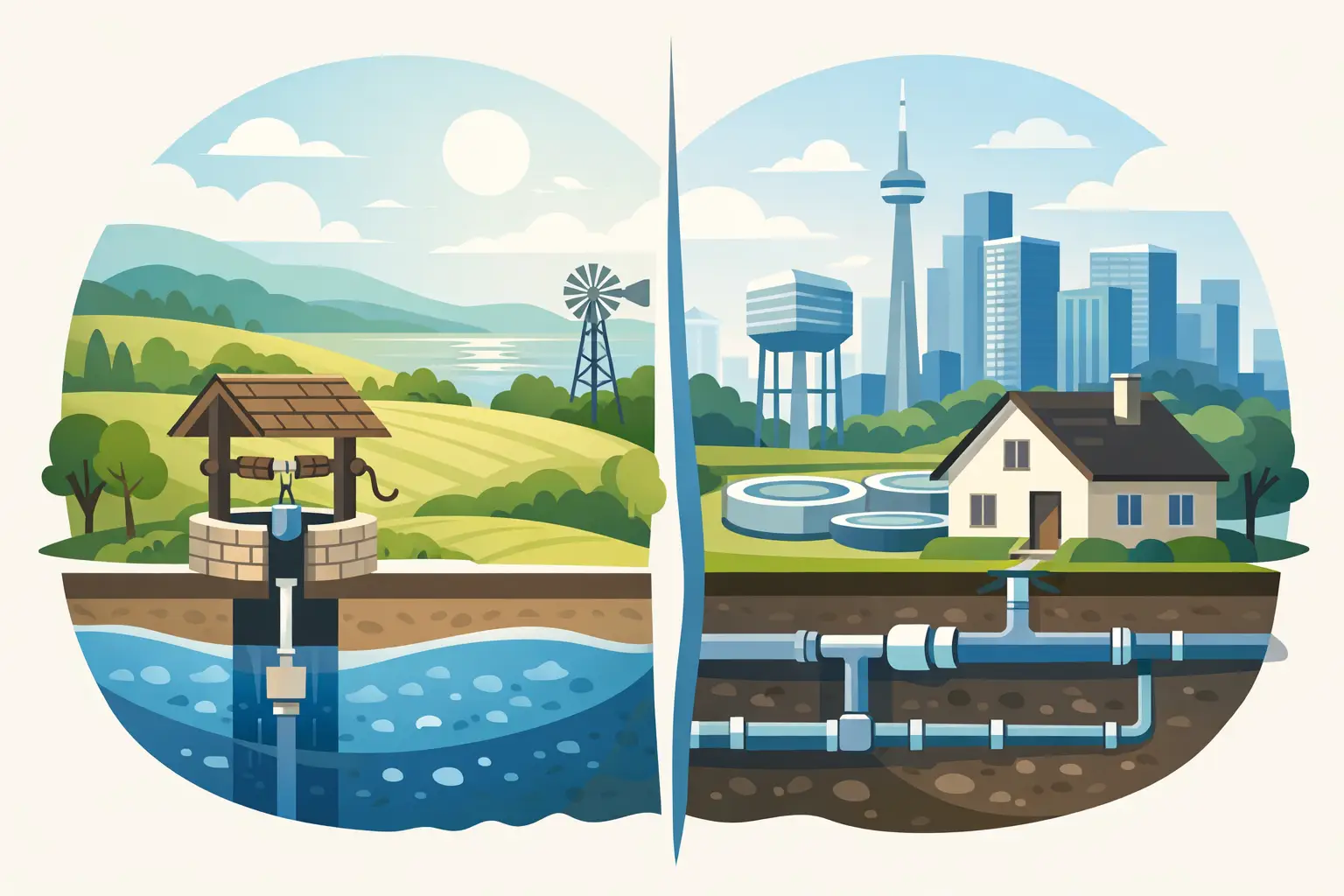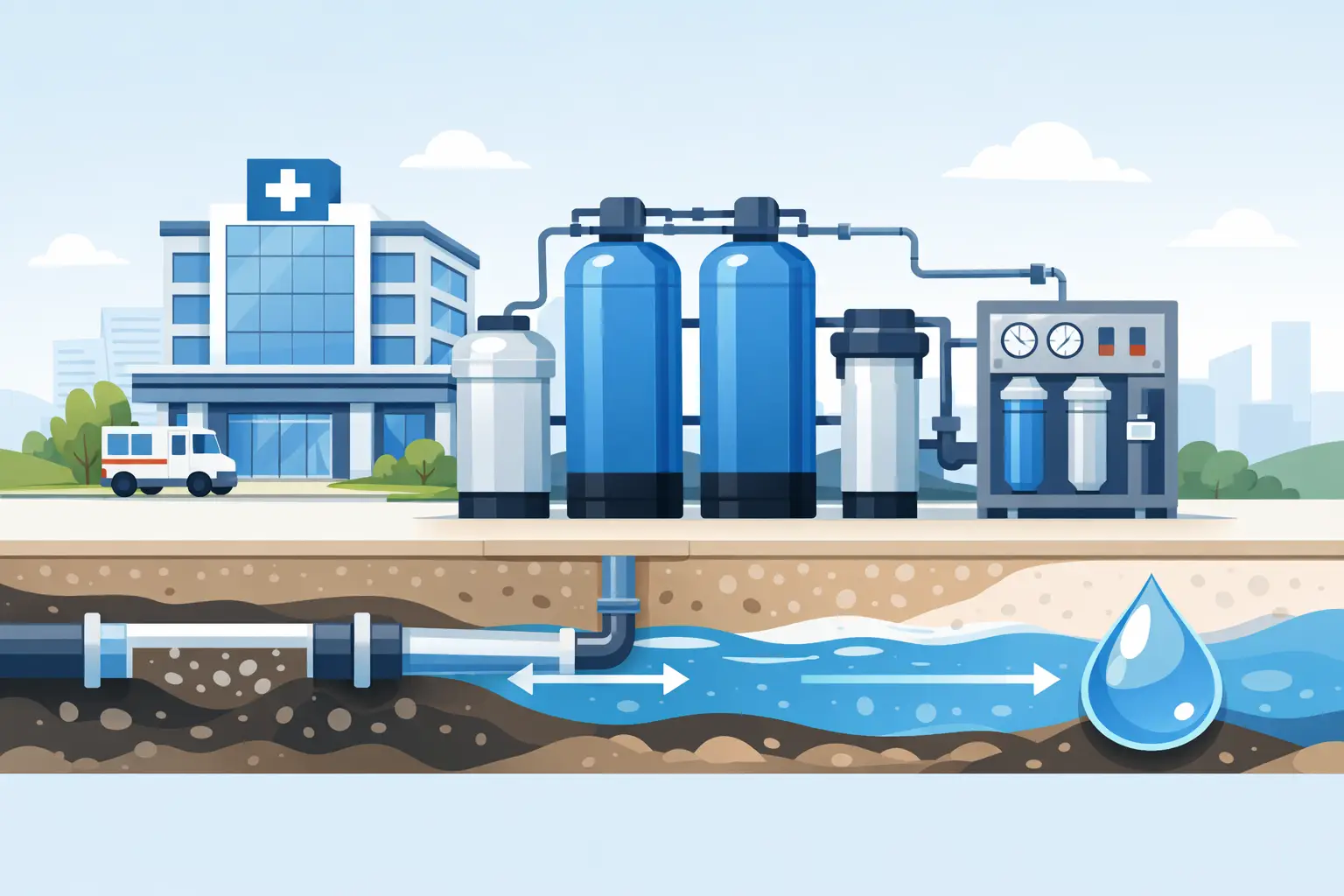
Healthcare Facility Water Filtration That Works

A failed water treatment decision can affect far more than the taste of drinking water. In hospitals, long-term care homes, clinics and other care settings, healthcare facility water filtration helps protect vulnerable people, support dependable operations and reduce damage to valuable plumbing and equipment. The right system begins with the actual water source and facility needs, not a one-size-fits-all filter.

Why water quality needs special attention in care settings

Healthcare buildings use large volumes of water every day. It is used for drinking, food preparation, bathing, laundry, cleaning, humidification, heating equipment and specialized clinical processes. Each application can be affected differently by hardness minerals, sediment, chlorine, iron, sulphur, lead or microbial concerns.

Patients in hospitals and residents of long-term care homes may be more susceptible to water-related risks than the general public. This does not mean every facility requires the same level of treatment. Municipal water, private wells and lake-water supplies present very different challenges. It does mean the water should be assessed carefully before treatment equipment is specified.

Hard water is one of the most common operational issues across Ontario. Calcium and magnesium create scale inside water heaters, boilers, dishwashers, laundry equipment, fixtures and distribution piping. Scale reduces heat-transfer efficiency, increases maintenance demands and can shorten equipment life. A properly sized commercial water softener can prevent these issues while improving cleaning performance.

Start with water testing and a site assessment

A healthcare water filtration system should be designed around evidence. Water testing identifies what is present, while a site assessment determines how water is being used, how much flow the building needs and where treatment should be installed.

For municipal supplies, testing may focus on hardness, chlorine or chloramine, lead risks from older plumbing, turbidity, pH and any site-specific concerns. For well or lake water, a more complete analysis is often necessary. Iron, manganese, sulphur odours, bacteria, tannins and seasonal changes in source-water quality can all influence equipment selection.

The assessment should also account for peak demand. A small clinic may need reliable treatment for staff kitchens, washrooms and a few pieces of equipment. A hospital, retirement residence or long-term care facility can require engineered commercial systems that maintain pressure and treatment performance during busy periods. Undersized equipment can cause pressure loss, poor filtration results and frequent regeneration or service interruptions.

It is equally important to identify which water uses need treatment. Treating all incoming water may be the right answer for hardness, sediment or staining issues throughout a facility. In other cases, targeted treatment at a kitchen, staff hydration station, laboratory area or specific equipment connection is more practical. The best design balances health, performance and operating cost.

Core treatment options for healthcare facility water filtration

Most facilities do not need every available technology. They need the right combination, installed in the correct sequence. Pre-treatment is often as important as the final filter because it protects downstream equipment and keeps the system working as intended.

Sediment filtration for cleaner, more reliable water

Sediment filters remove suspended particles such as sand, silt, rust and debris. This is particularly valuable for well water, lake-water systems and older buildings where pipe scale can enter the water supply. Removing particles protects valves, ultraviolet systems, reverse osmosis membranes and other treatment components from fouling.

The filter rating must match the water condition and flow requirement. A very fine filter may capture more particles, but it can also create unnecessary pressure drop or require more frequent replacement if the incoming water is heavily loaded with sediment. Commercial filter housings and properly selected media help facilities maintain flow without compromising protection.

Water softeners for scale control and equipment protection

Water softening is often one of the highest-value upgrades for healthcare properties with hard water. It removes the minerals responsible for scale buildup, helping protect hot-water tanks, boilers, laundry systems, steam equipment, dishwashers and plumbing fixtures.

The benefit is not merely cosmetic. Less scale can mean more consistent hot-water performance, reduced chemical use in cleaning and fewer maintenance calls related to restricted lines or worn equipment. For high-demand buildings, duplex or alternating softener systems can provide treated water continuously while one tank regenerates.

Carbon filtration for chlorine, taste and odour

Activated carbon filtration is commonly used to reduce chlorine, unpleasant tastes and odours in municipal water. It can improve drinking water at staff and patient areas while protecting certain downstream processes that are sensitive to chlorine.

Carbon systems require careful sizing and scheduled media replacement. When a carbon bed is too small for the flow rate, water may pass through too quickly for effective contact. The goal is reliable treatment at the required volume, not simply adding a filter tank to the mechanical room.

Reverse osmosis for high-purity point-of-use water

Reverse osmosis systems reduce a broad range of dissolved contaminants and are well suited to applications that need high-quality drinking water or process water. In a healthcare setting, RO may be used at staff kitchens, hydration stations or specific equipment applications where reduced dissolved solids are beneficial.

RO is not usually the answer for every tap in a large facility. It produces purified water at a controlled rate and requires pre-treatment, maintenance and a drain connection. For many facilities, a targeted RO installation paired with whole-building sediment and softening treatment delivers better value than attempting to use RO everywhere.

Ultraviolet systems for microbial control

Ultraviolet sterilizers use UV light to inactivate microorganisms as water passes through the treatment chamber. They are especially relevant for private wells, lake-water sources and situations where microbial control is a documented concern.

UV systems work best with clear water. Sediment, iron and hardness can block or scatter UV light and reduce effectiveness, so pre-filtration and softening may be required. Lamp changes, sleeve cleaning and alarm monitoring are part of maintaining dependable performance. UV treatment should be selected as part of a complete water strategy, not treated as a substitute for source-water testing or facility hygiene protocols.

Design for continuity, service and compliance

Healthcare operations cannot simply pause because a filter needs replacement. Critical systems should be designed with service access, isolation valves and, where appropriate, bypasses or redundant equipment. This allows routine maintenance to be completed with minimal disruption to water service.

A commercial installation also needs to fit the building. Mechanical room space, drain capacity, electrical requirements, incoming water pressure and local plumbing requirements all affect the final design. Equipment should be accessible for inspection and service rather than installed where cartridges, media tanks or UV lamps cannot be safely maintained.

Maintenance planning is part of the investment. Filter cartridges have a service life based on water condition and volume used. Softeners require salt and periodic checks. Carbon media, UV lamps and RO membranes require replacement on a defined schedule. Ignoring these tasks can reduce water quality, increase pressure loss and leave expensive equipment without the protection it was meant to receive.

Canadian Smart Home Solutions designs and installs commercial water treatment systems with the testing, sizing and practical service requirements Ontario facilities need. The objective is clear: solve the specific water problem without creating an unnecessary maintenance burden for facility teams.

Common mistakes that create avoidable problems

The most common mistake is selecting equipment based only on a single concern, such as bad taste or a visible scale problem. Water conditions often overlap. For example, a well with iron and hardness may need iron removal before softening, while a UV system may require sediment filtration ahead of it.

Another mistake is sizing a system around average daily use rather than peak flow. A facility may use a moderate amount of water overall but still need high flow during meal service, laundry cycles, shift changes or cleaning periods. Treatment that cannot keep up at these moments can cause pressure complaints and inconsistent results.

Finally, facilities should avoid treating maintenance as optional. A scheduled service plan is less disruptive and less costly than responding after scale has damaged a boiler, a clogged filter has restricted flow or an overdue UV lamp has compromised system performance.

Clean water should support care, not create another operational concern. With accurate testing, properly engineered equipment and regular professional service, a facility can protect its people, plumbing and essential equipment for the long term.

Municipal Water vs Well Water for Ontario Homes

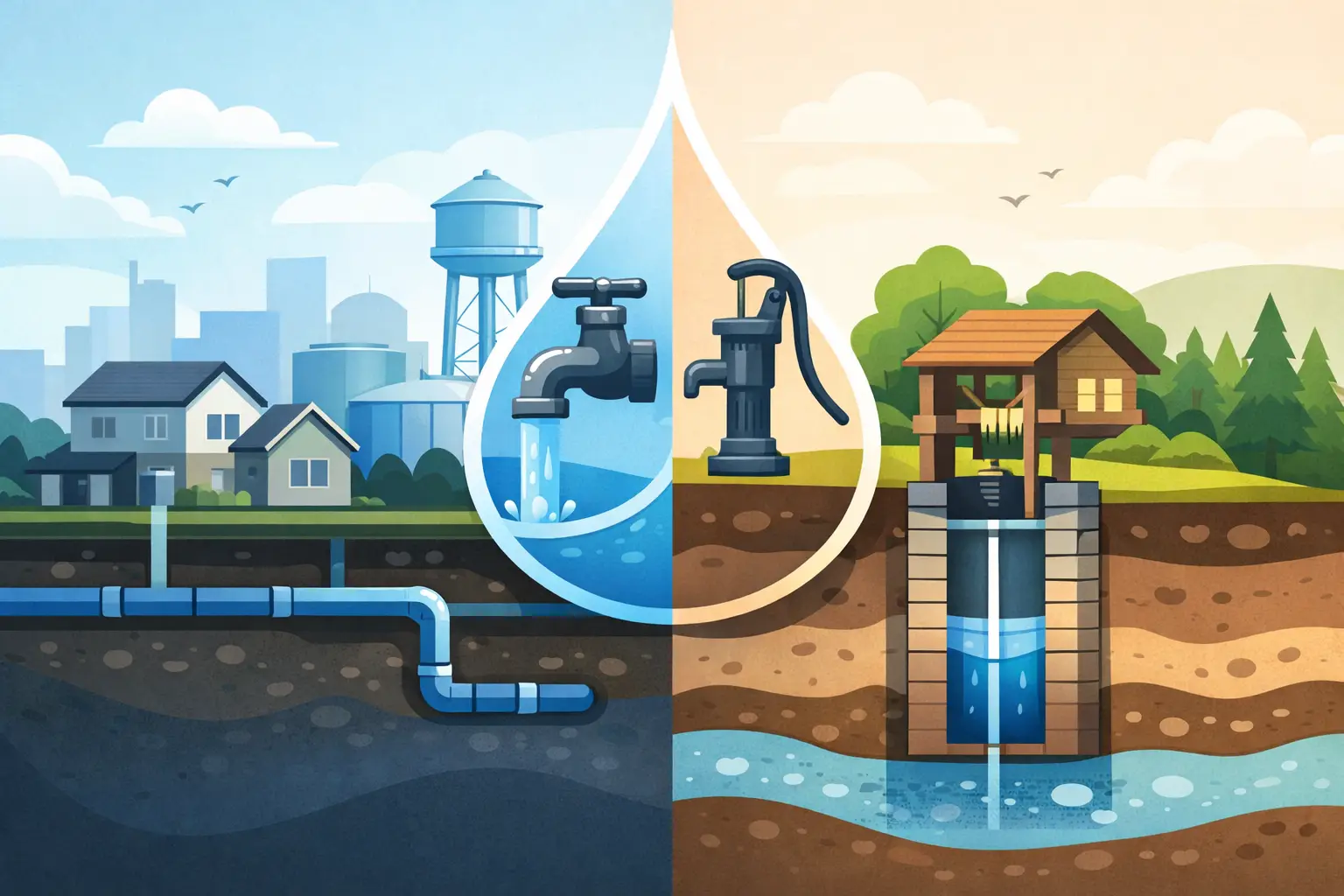
A glass of water can look perfectly clear while carrying issues that affect its taste, your plumbing, and the equipment that serves your home. When comparing municipal water vs well water, the real question is not which source is automatically better. It is what is in your water, how it reaches your taps, and which treatment solution will protect your family and property.

For Ontario homeowners, both sources can create familiar concerns: hard water scale, chlorine taste, iron staining, sulphur odours, lead risks from older plumbing, bacteria, or sediment. The difference is where responsibility begins and what type of treatment is most likely to deliver reliable results.

Municipal Water vs Well Water: The Main Difference

Municipal water comes from a public water system. It is treated before distribution and monitored by the utility to meet applicable drinking water requirements. Disinfection is commonly used to control microorganisms, which is why some homes notice a chlorine taste or odour. Municipal treatment provides an essential level of protection, but it does not guarantee that water will arrive at every fixture with the taste, softness, or contaminant profile a household wants.

Water can pick up changes as it travels through distribution lines and a building’s own plumbing. Older service lines, fixtures, and pipes may contribute metals such as lead. Naturally occurring minerals can still cause hardness, scale, dry skin, spotty dishes, and shortened appliance life. Chlorine may be safe at managed levels, yet many families prefer to remove its taste and smell from drinking and bathing water.

Well water comes from a private groundwater source on or near the property. The homeowner is responsible for testing, treatment, equipment maintenance, and protecting the well from contamination. Groundwater can be excellent, but its quality varies substantially by location, season, well depth, nearby land use, and the condition of the well itself.

A well that tested well several years ago should not be assumed to have the same water quality today. Heavy rain, spring runoff, construction, flooding, or a change in groundwater conditions can alter results. That is why regular testing is a practical part of owning a private well.

What Problems Are Most Common?

Municipal and well water can share some problems, especially hardness and sediment, but the treatment priorities are often different.

With municipal water, homeowners commonly call about chlorine odour, poor taste, hard water, limescale, dry-feeling skin, and concerns about lead in older homes. A whole-home carbon filtration system can reduce chlorine and improve water quality at every tap. Where hardness is present, a properly sized water softener helps control scale in water heaters, dishwashers, washing machines, faucets, and shower doors. A reverse osmosis drinking water system can provide an added level of filtration at the kitchen tap for families seeking cleaner-tasting drinking water.

With well water, iron, manganese, sulphur, hardness, bacteria, turbidity, and sediment are frequent concerns. Iron can leave orange or brown marks in toilets, tubs, laundry, and on fixtures. Manganese may produce black staining. Sulphur can create a noticeable rotten-egg odour, while sediment can clog cartridges, fixtures, and valves. Bacteria cannot be identified by sight, smell, or taste, which is one reason testing matters.

The right system depends on the test results. For example, an iron and sulphur removal system may address staining and odours, while ultraviolet sterilization may be recommended for microbial protection after proper prefiltration. A softener alone is not a complete well water solution if iron, bacteria, or sulphur is also present.

A Practical Comparison for Homeowners

| Consideration | Municipal Water | Well Water | |—|—|—| | Primary responsibility | Utility treats the source; homeowner manages in-home quality | Homeowner manages testing, treatment, and well condition | | Common concerns | Chlorine, hardness, scale, lead from plumbing, taste | Iron, sulphur, hardness, bacteria, manganese, sediment | | Testing needs | Useful when taste, hardness, lead, or plumbing concerns arise | Essential on a regular schedule and after changes or flooding | | Typical treatment | Carbon filtration, softening, reverse osmosis, lead reduction | Sediment filtration, iron and sulphur removal, softening, UV, custom treatment | | Maintenance focus | Filter changes, softener salt, system servicing | The same system servicing plus well protection and ongoing water testing |

This comparison is a starting point, not a system design. Two homes on the same street can need different treatment, especially where one is connected to municipal water and another uses a private well.

Why Water Testing Should Come Before Equipment

Selecting equipment based only on a stain, odour, or a neighbour’s recommendation can lead to disappointing results. A rotten-egg smell may be related to sulphur bacteria, hydrogen sulphide, plumbing conditions, or a water heater. Orange staining can point to iron, but the amount and form of iron determine which treatment approach is appropriate. Hardness levels also affect the sizing and configuration of a softener.

A proper water analysis identifies the conditions that matter for system selection. For well water, testing should consider microbiological safety as well as minerals and aesthetic issues. For municipal water, testing may focus on hardness, chlorine, lead concerns, pH, total dissolved solids, and other site-specific questions.

Testing also helps avoid over-treatment. Not every home needs every technology. The goal is a dependable system that addresses the actual issue, provides the required flow rate, and is practical to maintain.

Treatment Options That Match the Source

For municipal homes, whole-home filtration is often the foundation. A carbon-based system can improve chlorine taste and odour throughout the house, making showers, laundry, and drinking water more pleasant. Pairing it with a water softener can reduce mineral scale and help protect water-using appliances. In homes with lead concerns, a dedicated lead reduction solution or point-of-use reverse osmosis system may be appropriate, depending on the plumbing and test results.

For well water, treatment is commonly built in stages. Sediment filtration protects downstream equipment from sand, silt, and turbidity. Iron and sulphur treatment addresses staining and odours. A water softener manages hardness, and an ultraviolet system provides a chemical-free disinfection barrier when the water is clear enough for UV to work effectively. Reverse osmosis can then be added at a drinking water tap when homeowners want additional filtration for cooking and drinking.

Commercial and institutional properties require the same disciplined approach, with greater attention to peak flow, water demand, service requirements, and code compliance. A small undersized filter can become a costly bottleneck in a hotel, school, healthcare setting, or multi-unit building. Engineered systems should be selected for the actual water conditions and volume required, not simply for the lowest initial price.

Cost, Maintenance, and Long-Term Value

Municipal water usually has predictable monthly utility costs, while a private well avoids a municipal water bill but places equipment and maintenance responsibility on the owner. Neither source is maintenance-free.

Treatment systems also require care. Filters need replacement, softeners need salt and periodic service, UV lamps need scheduled replacement, and well systems need continued monitoring. These costs are easier to manage when the system is properly matched to the water and installed where service access is straightforward.

The return is more than better-tasting water. Managing hardness can reduce scale buildup in hot water equipment and fixtures. Removing iron and sulphur can protect finishes, reduce cleaning time, and prevent recurring odours. Addressing water quality early can help avoid appliance damage and expensive plumbing repairs.

When to Call a Water Treatment Professional

A professional assessment is worthwhile when you see persistent staining, scale, cloudy water, unusual odours, changing taste, low flow caused by clogged fixtures, or concerns about lead or bacteria. It is especially valuable after buying a rural property, after a flood, when a well has been unused, or before investing in a major appliance such as a tankless water heater.

Canadian Smart Home Solutions helps Ontario homeowners and property managers move from a water complaint to a clear treatment plan through water analysis, system selection, and professional installation. The right recommendation should explain what the system treats, what maintenance it requires, and what result you can reasonably expect.

Your water source does not have to dictate the quality of water your family uses every day. Start with an accurate test, address the conditions that are actually present, and choose equipment designed to keep working long after the first glass tastes better.

What Causes Hard Water Spots in Ontario Homes?

A freshly cleaned shower door can look cloudy again after only a few uses. The same white marks may show up around kitchen faucets, on dark stone countertops, inside kettles, and on dishes pulled from the dishwasher. For Ontario homeowners asking what causes hard water spots, the short answer is simple: water evaporates, but the minerals it carries do not.

Those visible deposits are more than a cleaning annoyance. They can signal a broader hard-water issue affecting fixtures, water-using appliances, plumbing efficiency, and the amount of time spent removing buildup. The right solution depends on what is in your water, how severe the hardness is, and whether you want to address one fixture or protect the whole home.

What Causes Hard Water Spots?

Hard water spots form when water containing dissolved minerals dries on a surface. Calcium and magnesium are the primary minerals responsible for water hardness. As the water evaporates, these minerals remain behind as a white, chalky, or cloudy residue.

On smooth surfaces such as glass, chrome, porcelain, and stainless steel, the residue is especially noticeable. A shower door may develop a hazy film, while a black faucet can show bright white rings around the base. On dishes, spots can appear as small white circles or a dull coating after a dishwasher cycle.

The more mineral-rich the water, the more quickly deposits can build up. Heat also speeds up the process. That is why scale is often concentrated in kettles, coffee makers, water heaters, humidifiers, dishwashers, and hot-water plumbing.

Hard water is common in many Ontario communities because groundwater naturally moves through mineral-bearing soil and rock before reaching a well or municipal supply. Municipal treatment makes water safe to drink, but it does not necessarily remove the calcium and magnesium that cause hardness.

Why the Spots Keep Returning After Cleaning

Cleaning removes existing residue, but it does not change the mineral content of the incoming water. If hard water continues to flow through the home, new spots begin forming the next time droplets dry on a surface.

Vinegar-based cleaners and products designed for mineral deposits can help with light buildup. However, they require regular use and may not be suitable for every material. Acidic cleaners can damage natural stone, affect certain finishes, or create problems if mixed with other household chemicals. Heavy scale can also become difficult to remove without scratching glass or fixtures.

There is another reason hard water spots seem permanent: over time, mineral deposits can bond tightly to surfaces. On shower glass, repeated buildup may etch the surface, leaving a dull appearance even after cleaning. At that point, the issue is no longer just residue sitting on the glass. Preventing further deposits becomes the practical priority.

Hard Water Spots vs. Other Water Stains

Not every mark left by water is caused by calcium and magnesium. Identifying the type of stain matters because different water problems need different treatment.

White or pale grey crust is usually associated with hardness. It commonly appears around taps, showerheads, drain openings, inside appliances, and on glass. It may feel rough or powdery when dry.

Orange, red, or brown stains often point to iron in the water. This is especially common with private wells, although it can occur in other water sources. Black staining can be related to manganese, while blue-green marks may indicate copper corrosion in plumbing. A rotten-egg odour is typically linked to hydrogen sulphide or sulphur-related bacteria, not hardness alone.

A water softener is highly effective for calcium and magnesium hardness, but it is not automatically the answer to every staining issue. Well water containing iron, sulphur, manganese, sediment, or bacteria may require a combination of treatment equipment. Water testing is the reliable way to separate assumptions from the actual cause.

Where Hard Water Does the Most Damage

The first signs are usually cosmetic, but hard water can create expensive problems behind the scenes. Scale develops wherever hard water is heated, sprayed, or allowed to sit and dry.

In a water heater, mineral scale can settle at the bottom of the tank or collect on heating components. This can reduce heat transfer, increase operating costs, and contribute to premature equipment wear. Tankless water heaters are also vulnerable because their narrow internal passages depend on efficient water flow and heat exchange.

Dishwashers and washing machines may use more energy and deliver poorer results as scale accumulates. Glassware can lose its shine, fabrics may feel stiff, and detergents may not perform as effectively. Showerheads can become partially blocked, reducing spray quality. In plumbing lines, severe long-term scale buildup can restrict water flow.

For property managers, hotels, healthcare facilities, and other high-use buildings, the cost is amplified. More fixtures, commercial hot-water equipment, and frequent cleaning create more opportunities for scale to affect maintenance budgets and guest or resident experience. A properly sized commercial treatment system is often more cost-effective than repeatedly managing the damage.

Why Soap Scum Often Appears With Hard Water Spots

Hard water spots and soap scum are related, but they are not identical. Mineral deposits are left behind when water dries. Soap scum forms when calcium and magnesium react with soap, body oils, and cleaning products.

This combination creates the greyish or off-white film often found on tubs, tile, shower walls, and glass doors. It is harder to remove than ordinary dirt and can make bathrooms look unclean soon after they have been scrubbed. Hard water also reduces soap lather, which is why some households use more shampoo, detergent, or cleaning product than expected.

Softened water does not eliminate the need for regular cleaning, but it can significantly reduce the residue that makes cleaning difficult. Fixtures stay brighter, glass is easier to maintain, and soaps and detergents can work more efficiently.

The Most Effective Way to Stop Hard Water Spots

For homes with confirmed hardness, a whole-home water softener is generally the most direct solution. Traditional ion-exchange softeners replace hardness minerals with sodium or potassium ions, preventing calcium and magnesium from forming scale deposits throughout the plumbing system.

The benefit is not limited to shower doors. A properly selected system helps protect water heaters, appliances, faucets, plumbing fixtures, and laundry equipment. It also improves the performance of soaps and detergents. For households using well water, the treatment approach may include pre-filtration, iron removal, sulphur treatment, or ultraviolet disinfection before or alongside softening, depending on water test results.

Some customers ask about salt-free conditioners. These systems may help reduce the tendency of minerals to form hard scale in certain conditions, but they do not remove hardness minerals from the water in the same way as an ion-exchange softener. Because the minerals remain present, spotting on glass and fixtures may continue. The right choice depends on the water chemistry, household goals, plumbing, and expectations for spot reduction.

A reverse osmosis system is excellent for improving drinking water quality at a dedicated tap, but it does not treat all the water used for showers, laundry, appliances, and fixtures. For visible hard water spots throughout the home, whole-home treatment is usually needed.

Start With a Water Test, Not a Guess

Water hardness can vary considerably between neighbourhoods, municipalities, and private wells. A home near one water source may have very different results from a home a few kilometres away. Seasonal changes and well conditions can also affect water quality.

A professional water analysis can measure hardness and identify related concerns such as iron, manganese, sulphur, pH imbalance, sediment, bacteria, or lead. That information makes it possible to size equipment correctly and avoid paying for a system that does not address the actual problem.

Canadian Smart Home Solutions helps Ontario homeowners and facilities match treatment equipment to their water conditions, usage demands, and plumbing requirements. Proper installation matters as much as equipment selection, particularly when a system must support larger households, high-flow fixtures, commercial kitchens, or institutional hot-water needs.

If water spots are returning faster than you can clean them, treat the cause rather than the residue. A targeted water test and a properly designed treatment system can protect the surfaces, appliances, and plumbing you rely on every day.

Drinking Water Contamination Symptoms to Watch

A glass of water can look clear and still contain something you do not want to drink. That is what makes drinking water contamination symptoms difficult for Ontario homeowners to judge by sight alone. A metallic taste, sulphur odour, recurring stomach upset, orange staining, or unexplained scale may point to a water-quality concern, but none of these signs can identify a contaminant with certainty. Proper water testing is the step that turns a concern into a practical treatment plan.

For families using private wells, lake water, or older plumbing, regular testing is especially valuable. Municipal water is monitored, but water quality can still change within a building because of aging service lines, plumbing materials, fixtures, or a specific issue such as lead.

Symptoms Can Affect Water, Your Home, or Your Health

Contamination does not always cause an immediate illness. Some contaminants change water’s appearance or odour without creating an urgent health risk. Others, including bacteria and lead, may have no obvious taste, smell, or colour at all.

That is why it helps to look at the full picture: what comes from the tap, what is happening in your plumbing and appliances, and whether people using the water are experiencing symptoms. These clues are useful starting points, not a replacement for laboratory analysis or medical advice.

Changes in taste, smell, or appearance

Water that suddenly tastes metallic, bitter, salty, chemical-like, or earthy deserves attention, particularly if the change is new or affects only one tap. A chlorine smell can occur in municipally supplied water and does not automatically mean the water is unsafe. However, a strong or unusual chemical odour should be investigated.

A rotten-egg smell often points to hydrogen sulphide or sulphur bacteria. While it is commonly more of a nuisance than a direct health emergency, it can make water unpleasant to drink, corrode plumbing over time, and signal that a proper water assessment is needed. Iron and manganese can leave water yellow, brown, black, or cloudy and create stains in sinks, toilets, laundry, and dishwashers.

Cloudiness can come from harmless air bubbles, sediment, mineral content, or more serious causes. If it does not clear quickly in a glass, appears after heavy rainfall, or occurs with an unusual taste or odour, arrange testing before relying on the water for drinking.

Health Symptoms That May Be Related to Water

Gastrointestinal symptoms are among the most recognized possible drinking water contamination symptoms. Diarrhea, nausea, vomiting, stomach cramps, or fever can occur after exposure to bacteria, parasites, or viruses in untreated or compromised water. These symptoms can also come from food, seasonal illness, medication, or many other sources, so water should not be assumed to be the cause without evidence.

If several people in the same household develop similar symptoms, particularly after a well floods, a water main breaks, plumbing work is completed, or water changes in taste or smell, stop using the water for drinking and food preparation until you have received appropriate advice. Infants, older adults, pregnant people, and anyone with a weakened immune system may be more vulnerable to waterborne illness.

Some contaminants are more concerning because effects may develop gradually or without clear symptoms. Lead exposure is a key example. Children are particularly sensitive to lead, which can affect development even at low levels of exposure. You cannot rely on taste, colour, or smell to detect it. Homes with older plumbing, lead service lines, or brass fixtures should consider targeted lead testing.

Nitrates are another concern for private wells, especially in rural areas near agricultural activity or septic systems. Nitrate-contaminated water may look and taste normal. It can pose a serious risk to infants, so households preparing infant formula should be especially cautious about well-water quality.

If someone has severe symptoms, signs of dehydration, difficulty breathing, confusion, or a serious allergic reaction, seek medical care promptly. For ongoing health concerns, speak with a healthcare professional and test the water rather than attempting to diagnose the cause from symptoms alone.

Household Clues That Should Not Be Ignored

Your water may be giving you useful evidence long before anyone feels unwell. Repeated scale on faucets, shower glass, kettles, and heating elements usually indicates hard water rather than contamination. Still, hard water can reduce appliance efficiency, shorten the life of water heaters, and make cleaning more difficult. A water softener is often the appropriate solution when hardness is confirmed.

Other signs can point to a different treatment need. Consider testing if you notice:

  • Orange, red, brown, or black stains on fixtures, clothing, or appliances
  • A rotten-egg, musty, chemical, or fuel-like odour from water
  • Sediment collecting in toilet tanks, filters, or appliance screens
  • Blue-green staining that may suggest copper pipe corrosion
  • Sudden changes after flooding, construction, drought, or a plumbing repair

One symptom does not always mean one contaminant. For example, staining may result from iron, manganese, corrosion, or sediment. The right system depends on what the test shows, how much water the property uses, and whether the issue affects all water or only drinking water.

Municipal Water, Well Water, and Lake Water Have Different Risks

Ontario municipal water systems are treated and regularly monitored, but water can pick up metals or other concerns as it travels through older infrastructure and building plumbing. A point-of-use reverse osmosis system can be a strong option for improving drinking water at a kitchen tap, particularly where lead reduction, dissolved solids, taste, or odour are concerns.

Private wells need more active oversight because the property owner is responsible for water quality. Heavy rain, flooding, nearby septic systems, agricultural runoff, a damaged well cap, and changes to groundwater conditions can introduce bacteria, nitrates, sediment, iron, sulphur, or other contaminants. Well water should be tested routinely and whenever there is a noticeable change in water quality.

Lake water systems need an engineered approach. Surface water can carry sediment, organic material, bacteria, and seasonal changes that a basic cartridge filter cannot reliably solve on its own. Depending on the test results and flow requirements, treatment may include sediment filtration, specialized media, reverse osmosis for drinking water, and ultraviolet sterilization for microbial control.

What to Do When You Suspect a Water Problem

Start by documenting what has changed. Note which taps are affected, when the issue began, whether it follows rainfall or plumbing work, and whether hot water, cold water, or both are involved. A problem only at the hot-water tap may relate to the water heater, while an issue throughout the home may indicate a source-water or whole-home plumbing concern.

Do not depend on a home strip test for major decisions. It can be useful for a quick screening of basic conditions, but laboratory testing provides the information needed to select equipment correctly. Testing should be matched to the situation. A well-water panel may assess bacteria, nitrates, hardness, iron, manganese, sulphur, pH, and other relevant parameters. A targeted sample may be needed for lead or another specific concern.

Until results are available, use caution if bacterial contamination is suspected or if public health authorities issue a boil-water advisory. Boiling is not a universal solution: it can kill many microorganisms, but it does not remove lead, nitrates, chemicals, or dissolved minerals. In some cases, boiling can concentrate contaminants that remain in the water.

Treatment Should Match the Test Results

A good water treatment system solves the actual problem without adding unnecessary equipment. Sediment filtration protects plumbing and downstream treatment from grit and debris. Water softeners address calcium and magnesium hardness. Iron and sulphur removal systems reduce staining and odours. Reverse osmosis systems provide highly filtered drinking water at a dedicated tap, while ultraviolet systems disinfect properly pre-filtered water to help control microorganisms.

For lead concerns, certified lead-reduction treatment at the drinking-water point may be appropriate, although whole-home solutions can make sense in properties with broader plumbing issues. Commercial buildings, schools, healthcare facilities, and high-use properties often require custom treatment designed around peak flow rates, water demand, code requirements, and ongoing maintenance.

Canadian Smart Home Solutions begins with the conditions at your property, then recommends treatment that fits the water source and the way you use water. Correct sizing, professional installation, and ongoing service matter just as much as the equipment itself.

Water problems are easier to solve when they are identified early. If your water has changed, your fixtures are showing stains or scale, or you simply want confidence in what your family is drinking, arrange a proper water analysis and make decisions based on results rather than guesswork.

Commercial Water Purification Guide for Ontario

A hotel that runs out of hot water because scale has coated the heat exchanger has a water problem, not simply a plumbing problem. A school with metallic-tasting fountains, a care home managing bacteria risks, or a restaurant replacing clogged equipment faces the same decision: treatment must match the water, the building, and the demand. This commercial water purification guide explains how Ontario facilities can make that decision with confidence.

Commercial systems are not oversized residential filters. They are engineered around flow rate, peak demand, source water conditions, building use, service access, and the level of water quality required at each point of use. The right design can protect equipment, improve drinking water, reduce cleaning time, and support a safer, more reliable operation.

Start a Commercial Water Purification Guide With Testing

Water treatment should begin with analysis, not a product catalogue. Municipal water may be safe for its intended use yet still contain hardness minerals, chlorine, chloramines, iron, sediment, or other characteristics that affect taste, fixtures, appliances, and specialized equipment. Private well and lake water can introduce additional concerns, including bacteria, manganese, sulphur odours, tannins, and changing seasonal conditions.

A proper assessment reviews the water source and tests for the issues that matter to the facility. It also considers pH, hardness, iron, manganese, total dissolved solids, turbidity, chlorine or chloramine levels, and microbiological quality where applicable. If lead is a concern, testing should account for the building plumbing as well as the incoming supply. Older buildings can have acceptable source water but elevated lead at taps after water has travelled through internal piping.

The building’s water use is just as important. A small office and a 120-room hotel may have similar hardness levels, but their treatment systems will look very different. Peak flow, daily consumption, simultaneous demand, incoming pressure, drain availability, electrical requirements, and available mechanical-room space all affect system selection.

Testing also avoids expensive mismatches. Reverse osmosis is highly effective for reducing many dissolved contaminants, but it is not usually the first solution for a facility struggling with high hardness throughout the building. An appropriately sized water softener may be the better first step, with reverse osmosis reserved for drinking water, food preparation, laboratory, or equipment applications.

Match the Treatment to the Problem

Commercial purification is often a treatment train rather than one piece of equipment. Each stage addresses a specific issue, and the sequence matters. Pretreatment can protect downstream equipment, while point-of-use systems can provide higher-quality water where it is needed most.

Hardness and Scale Buildup

Hard water is one of the most common commercial concerns in Ontario. Calcium and magnesium form scale inside boilers, water heaters, dishwashers, steam equipment, coffee machines, humidifiers, and plumbing fixtures. Over time, scale reduces heat transfer, increases energy use, shortens equipment life, and creates more maintenance calls.

A commercial water softener removes hardness minerals through ion exchange. Proper sizing is essential. A system that is too small may regenerate too often, waste salt and water, or allow hard water through during high-demand periods. High-use sites may benefit from duplex or alternating systems that maintain treated water while one tank regenerates.

Sediment, Iron, Manganese, and Sulphur

Sediment can block valves, foul filters, reduce UV performance, and wear down equipment. Iron and manganese can stain sinks, laundry, and fixtures, while sulphur commonly produces a rotten-egg odour. These concerns are particularly common with private wells, but water conditions vary widely by location and season.

The treatment approach depends on the test results and the chemical form of the contaminant. Sediment filtration may be sufficient for suspended particles. Iron, manganese, and sulphur often require oxidation, specialized media, air injection, or filtration designed for the measured levels. Treating only the visible stain without addressing the source can leave odours, fouling, and equipment damage unresolved.

Chlorine, Taste, and Drinking Water Quality

Activated carbon filtration is widely used to reduce chlorine taste and odour in municipal water. It can improve the water served in restaurants, staff kitchens, hospitality settings, and common areas. However, carbon is not a universal solution. Its performance depends on contact time, flow rate, media condition, and the contaminants being targeted.

For premium drinking water or specific applications, reverse osmosis can reduce many dissolved solids and improve taste. Commercial reverse osmosis systems are commonly used for drinking water stations, food service, coffee and beverage equipment, laboratories, and certain process applications. They require pretreatment, regular monitoring, and a plan for concentrate water, so they should be designed around actual demand rather than installed as a catch-all fix.

Microbiological Protection

Where bacteria or other microorganisms are a concern, ultraviolet sterilization can provide an effective barrier when the water is properly pretreated. UV light does not remove sediment, hardness, chemicals, or dissolved minerals. Cloudy water, iron, and scale can interfere with performance, which is why filtration and maintenance are critical.

Private water sources should be monitored over time. A single acceptable test does not guarantee that a well or lake supply will remain unchanged after heavy rain, construction, flooding, or seasonal shifts. Facilities serving vulnerable populations should establish a clear testing and maintenance schedule with their water treatment provider.

Size the System for Real Building Demand

The most capable treatment media will underperform if water bypasses it at peak demand. Commercial sizing is based on more than the building’s total number of occupants. A restaurant has intense short periods of water use. A hotel may have morning and evening peaks. A long-term care facility requires dependable supply around the clock. Schools can experience concentrated demand during breaks and meal periods.

A system design should identify the required service flow and peak flow, then confirm that it can maintain adequate pressure through filters, softeners, UV chambers, and storage tanks. Pressure loss is a frequent oversight, especially when multiple treatment stages are added to an existing plumbing system.

Redundancy should be considered where downtime is unacceptable. Duplex softeners, parallel filtration, duty-standby pumps, bypass plumbing, alarms, and remote monitoring can help maintain service while equipment is regenerating or being serviced. The right level of redundancy depends on the building’s risk, budget, and ability to tolerate an interruption.

Plan Installation Around Safety and Service

Commercial water treatment equipment needs more than a place to sit. Installation should provide safe access for filter changes, salt delivery, media service, UV lamp replacement, and system inspection. It also requires correctly sized drains, suitable electrical supply, backflow protection where required, and plumbing that complies with applicable local codes.

A well-designed bypass is particularly valuable. It allows service work without shutting down the entire facility, though bypassed water may not receive treatment. For critical applications, temporary service plans and redundant equipment are often preferable to relying on a bypass alone.

Controls and monitoring should be practical for the staff responsible for the building. Flow meters, water meters, pressure gauges, alarm conditions, and regeneration settings need to be understandable and documented. A sophisticated system that no one monitors is not a reliable system.

Protect Performance With Ongoing Maintenance

Commercial treatment is an operating system, not a one-time purchase. Filters load with sediment, carbon media becomes exhausted, softeners require salt and periodic inspection, reverse osmosis membranes need monitoring, and UV lamps have a defined service life. Ignoring maintenance can gradually reduce water quality or create a sudden equipment failure at the worst possible time.

A maintenance plan should specify who checks the system, what is recorded, and when consumables are replaced. Useful records include incoming and treated water readings, pressure changes across filters, regeneration activity, salt use, UV lamp replacement dates, and laboratory results where relevant. These details make it easier to spot a developing issue before it affects tenants, guests, patients, students, or equipment.

Canadian Smart Home Solutions designs and installs commercial water treatment systems based on source-water analysis, facility demand, and the practical service needs of Ontario properties. The goal is not to add unnecessary equipment. It is to deliver dependable water treatment that protects the people and systems that rely on it.

When water affects your equipment, your operating costs, or the confidence people have in your facility, start with a professional assessment. Clear test results and a properly engineered treatment plan turn a recurring water problem into a manageable part of building operations.

Well Water vs City Water for Ontario Homes

A glass of water can look perfectly clear while carrying the issues that stain fixtures, shorten appliance life or raise legitimate health concerns. In the well water vs city water decision, the real question is not which source is automatically better. It is how your water is managed, what it contains and whether your home has the right treatment for its specific conditions.

For Ontario homeowners, both water sources can provide excellent water when they are properly monitored and treated. The difference is responsibility. A municipal system treats and distributes water to the property line. A private well owner is responsible for the source, the equipment and the water quality inside the home.

Where the Water Comes From Matters

City water comes from a municipal supply, typically sourced from surface water, groundwater or a combination of both. It is treated at a municipal facility to control microorganisms and meet drinking water standards before travelling through water mains to your home. Municipal treatment commonly includes filtration, disinfection and ongoing monitoring.

Well water is drawn from groundwater beneath your property. It may be naturally clean, but it can also pick up minerals, metals, bacteria or other contaminants as it moves through soil and bedrock. Its quality can change with rainfall, flooding, nearby construction, agricultural activity, seasonal groundwater levels and the condition of the well itself.

That distinction changes the approach to water treatment. Municipal water often needs refinement for taste, chlorine, hardness, lead risk or scale control. Well water may need a more comprehensive system that addresses safety as well as nuisance problems such as iron staining, sulphur odour and sediment.

Well Water vs City Water: Who Is Responsible?

With municipal water, the municipality is responsible for treatment and distribution through the public system. Once water enters a building, however, the property owner still needs to consider plumbing materials, building water lines and point-of-use concerns. Older homes may have lead service lines, lead-containing plumbing components or corrosion issues that affect the water at the tap.

With a private well, the homeowner takes on the full responsibility for testing, maintaining and treating the supply. This includes protecting the wellhead, checking the pressure system, inspecting equipment and responding quickly after events that can affect groundwater quality, such as flooding or damage to the well cap.

This does not mean well water is inherently unsafe or city water is free of concerns. It means the monitoring process is different. A well should be tested regularly and whenever the taste, smell, colour or flow changes. Municipal-water households should also test when they are concerned about lead, have older plumbing or notice changes in taste, odour or appearance.

Common Issues With Municipal Water

Municipal water is disinfected for public health protection, but that disinfection can leave a chlorine or chloramine taste and smell that many households find unpleasant. A properly selected whole-home carbon filtration system can reduce these disinfectant byproducts, improving the taste of drinking water and the experience of bathing and showering.

Hardness is another frequent concern in many Ontario communities. Hard water contains calcium and magnesium that can form scale inside water heaters, dishwashers, coffee makers, humidifiers and plumbing fixtures. It can also leave spots on glassware, reduce soap performance and make skin and hair feel dry after washing.

A water softener addresses hardness by removing the minerals that cause scale. For homes with hard municipal water, softening is often one of the most practical investments because it protects costly appliances and reduces ongoing cleaning and maintenance.

Lead is a separate issue. Municipal treatment is designed to manage water quality, but lead can enter water through aging service lines or plumbing components. A certified lead removal system or reverse osmosis drinking water system can provide added protection where testing identifies a concern or where the age of the home makes lead exposure a reasonable worry.

Common Issues With Private Well Water

Private wells often have no chlorine taste because they are not continuously disinfected by a municipal system. That can make the water feel more natural, but it also means microorganisms must be taken seriously. Bacteria testing is essential, particularly for homes with young children, seniors, immune-compromised residents or frequent guests.

Iron and manganese are common well-water problems in Ontario. They can leave orange, brown or black staining on toilets, sinks, laundry and fixtures. Even at levels that do not create an immediate health concern, these minerals can clog plumbing, foul water treatment equipment and make a home look poorly maintained.

Sulphur is another familiar complaint. It produces the rotten-egg smell that can make drinking water, showers and laundry unpleasant. Depending on the source and test results, sulphur may be treated through oxidation, specialized filtration or other engineered treatment methods.

Sediment can also become a problem in wells, especially after heavy rain, changes in groundwater conditions or disruption near the well. Fine sand, silt and debris can damage valves, clog filters and reduce the performance of downstream equipment. A sediment filter may be the first stage of a complete well-water treatment system, but it should not be treated as a substitute for water testing.

Testing Should Drive the Treatment Plan

Buying equipment based only on a neighbour’s system or a visible stain can lead to the wrong solution. Iron, manganese, hardness, sulphur and bacteria may require different treatment methods. One contaminant can also interfere with the treatment of another, which is why the order of equipment matters.

A useful water analysis considers both health-related and practical concerns. For private wells, testing commonly focuses on bacteria, nitrate or nitrite where relevant, hardness, iron, manganese, pH, sulphur indicators and other site-specific conditions. If there is a nearby industrial, agricultural or environmental concern, testing should be broadened accordingly.

For municipal-water homes, a practical analysis can identify hardness, chlorine or chloramine, iron from plumbing, pH and lead risk. Testing is especially worthwhile before choosing a reverse osmosis system, water softener or whole-home filter. The right system should solve the identified issue without adding unnecessary complexity or maintenance.

Choosing the Right Treatment for Your Home

There is no single “best” water system for every home. A condo with treated city water has different needs than a rural home drawing from a deep well. A household that wants better-tasting drinking water may need a reverse osmosis system at the kitchen sink, while a family dealing with scale throughout the house may benefit most from a whole-home softener.

For well water, a complete solution may include sediment filtration, iron and sulphur removal, a water softener and ultraviolet sterilization. UV systems use ultraviolet light to disinfect water without changing its taste, but they require clear water to perform reliably. When sediment or iron is present, pre-treatment is essential.

For city water, whole-home carbon filtration can reduce chlorine taste and odour, while a softener protects plumbing from hardness. If lead is a concern, targeted lead reduction at the point of use can be a sensible additional safeguard. The best layout depends on the home’s plumbing, water use, pressure, peak flow requirements and test results.

Commercial and institutional properties need the same disciplined approach at a larger scale. Hotels, schools, healthcare facilities and multi-unit buildings may require high-flow treatment systems designed around occupancy, equipment loads and water-demand patterns. A system that is undersized can create pressure loss and inconsistent performance, while one that is improperly specified can increase operating costs without solving the underlying water issue.

Maintenance Is Part of Safe Water

Every treatment system requires care. Carbon filters need replacement, softeners need salt and periodic servicing, reverse osmosis systems need filter and membrane changes, and UV systems need lamp replacement and sleeve maintenance. Neglecting these tasks can reduce performance and, in the case of well-water disinfection, create unnecessary risk.

The goal is not to burden homeowners with more equipment. It is to install treatment that is correctly sized, easy to maintain and supported by clear service guidance. Canadian Smart Home Solutions helps Ontario property owners start with the water problem, then recommend an appropriate system and professional installation rather than a one-size-fits-all package.

Whether your home is connected to a municipal supply or relies on a private well, confidence comes from knowing what is in your water and having treatment that matches the results. A current water test is the practical first step toward better-tasting water, protected appliances and a safer supply for the people who rely on it every day.

A Hospital Water Filtration Example That Works

A hospital water filtration example is not simply a large version of a whole-home filter. A hospital’s water system supports patient care, staff hygiene, food service, laundry, sterilization equipment, heating and cooling systems, and sometimes highly sensitive clinical areas. When water quality is inconsistent, the result can be scale damage, poor equipment performance, objectionable taste or odour, and added infection-control concerns.

For Ontario hospitals and healthcare facilities, the right solution starts with understanding where water enters the building, how it travels through the plumbing system, and what each department requires. The goal is not to treat every drop of water the same way. It is to apply dependable treatment at the right point, with enough capacity, redundancy, monitoring, and service access to keep the facility operating.

A practical hospital water filtration example

Consider a mid-sized hospital with municipal water service, several patient floors, a commercial kitchen, on-site laundry, central boilers, cooling equipment, dialysis support areas, and a long-running domestic hot-water loop. The facility has recurring complaints about hard-water scale on fixtures, shortened life of valves and heating components, and sediment collecting in strainers. Its facilities team also wants a stronger approach to water safety management in areas where vulnerable patients may be present.

A practical treatment design could begin with a high-flow sediment filtration system installed after the building’s incoming water meter. This equipment removes suspended solids such as rust particles, sand, and pipe scale before they reach downstream treatment equipment. Choosing the correct micron rating matters. Filtration that is too coarse may allow damaging material through, while filtration that is too fine can create unnecessary pressure loss and frequent filter changes.

From there, the hospital may use duplex water softeners for domestic hot water, laundry, boiler feed, and other equipment-dependent applications. Duplex means two tanks work in sequence, allowing one unit to regenerate while the other continues supplying treated water. In a hospital, continuous service is often more valuable than the lowest initial equipment price.

Carbon filtration may be appropriate where chlorine or chloramine reduction is required for a specific downstream process, taste concern, or equipment application. However, removing a disinfectant residual from water changes the management requirements. Carbon vessels need proper sizing, scheduled maintenance, and a clear plan to prevent stagnation or microbial growth. They are not a universal answer for every hospital water line.

Treatment should follow the water’s use

A hospital has different water-quality targets across the building. General handwashing and washroom water, boiler feed water, kitchen water, ice machines, laboratory equipment, and specialized clinical systems should not automatically receive identical treatment. A site assessment separates these uses and avoids wasting treatment capacity where it is not needed.

Incoming domestic water

At the building entry, sediment filtration protects plumbing and mechanical equipment from particulate matter. If testing confirms hardness at a level that is causing scale, central softening can reduce mineral deposits in hot-water equipment, dishwashers, laundry systems, steam-producing equipment, and fixtures.

Softening does not remove every contaminant. It primarily exchanges hardness minerals, such as calcium and magnesium, to reduce scale. If lead, iron, sulphur odour, organic matter, chlorine by-products, or microbiological risks are part of the water profile, they require separate assessment and treatment methods.

High-risk or specialized outlets

Certain outlets may need point-of-use treatment rather than building-wide treatment. For example, sterile processing, laboratories, dialysis-related applications, and selected clinical areas may require reverse osmosis, deionization, ultrafiltration, ultraviolet treatment, or specialized final filtration. The exact design depends on the equipment manufacturer’s water specifications and the facility’s infection prevention and control requirements.

Reverse osmosis can significantly reduce dissolved minerals and many other contaminants, but it creates a concentrate stream and needs pretreatment to protect its membranes. It is an excellent tool for the right application, not usually the most practical choice for supplying every sink and shower in a large facility.

Final point-of-use filters can add a barrier where water is used by highly susceptible patients or where specific clinical policies call for it. These filters must be selected, installed, labelled, and replaced on schedule. A filter left beyond its service life is not a safety strategy.

Mechanical rooms and equipment protection

Boilers, humidifiers, cooling equipment, commercial dishwashers, and laundry systems often reveal water problems first. Scale acts as insulation on heating surfaces, reducing efficiency and increasing maintenance demands. Sediment can clog valves and strainers. Corrosive water conditions can affect piping and equipment components.

A hospital water treatment plan should therefore include equipment protection as well as drinking-water quality. Pre-filtration, softening, reverse osmosis for selected feedwater, and chemical treatment programs may all have a role. The best combination depends on the system’s flow rate, operating temperature, manufacturer requirements, and incoming water analysis.

Filtration is only one part of water safety

A common mistake is to view filtration as a complete answer to waterborne pathogen control. In healthcare settings, water safety depends on the full system: source water quality, incoming disinfectant residual, pipe condition, storage tanks, hot-water temperatures, flow patterns, dead legs, outlet maintenance, and response procedures.

Legionella management, for example, requires a documented facility-wide approach. Filters and ultraviolet systems may be useful components in specific locations, but they do not replace appropriate temperature control, flushing, cleaning, monitoring, and infection-control protocols. Any modifications to domestic water infrastructure should be coordinated with the hospital’s facilities, clinical engineering, infection prevention, and risk-management teams.

This is also why a central carbon filter requires careful consideration. It can improve water quality for some uses, yet reducing disinfectant residual throughout a large plumbing network may not suit the facility’s water safety plan. The trade-off must be reviewed before equipment is specified.

Capacity, redundancy, and service access matter

Healthcare facilities cannot treat a shutdown as a minor inconvenience. A hospital system should be sized for peak demand, not an average day. Engineers need to consider simultaneous use across patient floors, food service, laundry, mechanical systems, and emergency operations.

Redundancy is equally important. Duplex softeners, parallel filter banks, bypass piping, isolation valves, flow meters, pressure gauges, and automated controls help maintenance teams service equipment without disrupting essential water supply. Where a bypass is installed, it should be clearly identified and managed so untreated water is not unintentionally sent to equipment that depends on treated water.

Service access affects long-term reliability. Filter housings need enough clearance for cartridge replacement. Media tanks need accessible drain connections. Control valves, sample ports, and gauges should be visible and easy to inspect. A technically sound system that is difficult to maintain will eventually underperform.

Start with testing and a site review

No two hospitals have the same water profile or plumbing history. Municipal water chemistry can vary by region and season, while older buildings may contribute sediment, corrosion products, or localized water-quality concerns. Before recommending equipment, collect representative water samples and review available municipal information, building drawings, water-use patterns, pressure, flow requirements, and recurring maintenance records.

Testing should be relevant to the problem being solved. Hardness, iron, manganese, pH, total dissolved solids, chlorine or chloramine residual, turbidity, and microbiological indicators may be considered depending on the application. If lead is a concern, testing must account for where samples are taken and how long water has been sitting in the plumbing.

The findings should produce a clear treatment sequence, not a generic equipment package. Canadian Smart Home Solutions can help Ontario facilities evaluate incoming water issues and specify commercial equipment designed for high-flow, institutional applications.

Ongoing maintenance protects the investment

Every treatment system needs a written maintenance plan. It should define cartridge change intervals, media service requirements, salt delivery for softeners, disinfection procedures where applicable, inspection points, alarms, water testing, and responsible staff. Maintenance intervals should be based on actual water use and measured performance, not only a calendar date.

Documentation matters in a hospital environment. Keeping records of differential pressure, flow, hardness leakage, disinfectant residual, service visits, and corrective actions gives facility managers a practical view of system health. It also helps identify changes before they become equipment failures or operational disruptions.

The most effective hospital water treatment systems are designed around real risks and real demand. When filtration, softening, specialized treatment, and disciplined maintenance work together, the facility gains cleaner water, better protected equipment, and a more dependable foundation for patient care.

A Guide to Water Treatment Equipment in Ontario

A white film on glassware, orange staining in the toilet, a sulphur smell from the tap, or concern about lead are not cosmetic inconveniences. They are signs that your water may need targeted treatment. This guide to water treatment equipment explains how Ontario homeowners, property managers, and facility operators can identify the right system for their water source, usage, and safety priorities.

The right equipment is rarely chosen by brand name alone. A system that works well for municipally supplied water in Toronto may not solve iron, bacteria, or sediment issues in a rural well. Proper water testing and a clear understanding of the problem come first. From there, treatment can be designed to improve water quality at the point of entry, at the drinking-water tap, or across an entire commercial property.

Start With the Water Problem, Not the Product

Water treatment should address measured conditions and real-life symptoms. Hardness minerals, for example, can create scale on shower doors and inside water heaters, while iron may leave rusty stains on fixtures and laundry. Chlorine can affect taste and odour, but bacteria concerns require a different treatment approach altogether.

Municipal water is treated before it reaches the home, yet it can still contain chlorine, sediment, hardness minerals, or trace contaminants that residents prefer to reduce. Older plumbing may also raise concerns about lead. Private wells and lake-water supplies need more comprehensive assessment because water conditions can vary by season, rainfall, and changes around the property.

A professional water analysis identifies what is present and at what concentration. It also helps prevent a common and costly mistake: installing one piece of equipment to solve a problem that requires a complete treatment train. For example, a UV sterilizer is highly effective for disinfection when correctly sized, but it does not remove hardness, iron, or sediment. If the water is cloudy or contains iron, pre-filtration may be necessary to allow the UV system to perform as intended.

A Guide to Water Treatment Equipment by Application

Most residential and commercial systems fall into a few core categories. Each has a specific role, and many properties benefit from combining them.

Whole-home filtration systems

Whole-home filtration treats water as it enters the building, before it reaches faucets, appliances, showers, and water-using equipment. This makes it an effective option for customers who want cleaner water throughout the property rather than only at one drinking-water tap.

Carbon filtration is commonly used to reduce chlorine taste and odour in municipally supplied water. It can make showering and drinking more pleasant while helping protect plumbing fixtures and appliances from sediment and certain water-quality concerns. Sediment filters are often installed ahead of other equipment where sand, silt, rust particles, or debris are present.

The correct filter media, tank size, and flow rate matter. A small system may be suitable for a condo or modest household but can restrict flow in a large home with several bathrooms, a hotel, or a busy commercial kitchen. Equipment must be sized for peak demand, not only average daily use.

Water softeners for hardness and scale

Hard water contains calcium and magnesium minerals. These minerals are not usually a health concern, but they cause scale buildup on fixtures, shorten the life of water heaters and dishwashers, make soap less effective, and leave laundry feeling stiff.

A water softener removes hardness through ion exchange. The result is water that lathers more easily, leaves fewer spots, and helps reduce mineral accumulation in pipes and appliances. For many Ontario homes, a properly sized softener is one of the most practical ways to lower cleaning effort and protect major equipment.

Softening requires salt and periodic regeneration, so it is not a fit for every situation without consideration. Households should select a system based on hardness level, family size, water use, and plumbing capacity. Commercial properties also need to account for flow rates, service access, and the effects of hard water on boilers, dishwashers, steam equipment, and laundry operations.

Reverse osmosis for drinking water

Reverse osmosis, often called RO, is a point-of-use system typically installed under the kitchen sink. It uses a semi-permeable membrane to reduce a wide range of dissolved contaminants, helping provide clear, better-tasting water for drinking, cooking, coffee, and ice.

RO is especially useful for people seeking an additional level of drinking-water treatment, including households concerned about lead, certain dissolved solids, or unpleasant taste. It is not generally intended to replace whole-home equipment. An RO system provides high-quality water at the tap where it matters most, while a whole-home filter or softener protects the rest of the plumbing system.

Membranes and pre-filters need scheduled replacement. Ignoring maintenance can reduce water production and treatment performance. A professional installation can also ensure the system is connected correctly and has sufficient water pressure.

UV sterilizers for microbiological protection

Ultraviolet treatment uses UV light to deactivate bacteria, viruses, and other microorganisms. It is an essential consideration for many private well and lake-water systems, as well as commercial facilities where microbiological water quality is a priority.

UV does not add chemicals to water or change its taste. However, it needs clean water to work effectively. Sediment, turbidity, iron, and manganese can shield microorganisms from the light, which is why UV equipment is often installed after appropriate filtration. The lamp and sleeve require regular service, and the system must be sized to the building’s actual flow rate.

Iron, sulphur, and well-water treatment

Well water can bring unique challenges. Iron produces orange or brown staining, manganese may create dark staining, and hydrogen sulphide can cause a noticeable rotten-egg odour. Some wells also have low pH, tannins, sediment, bacteria, or a combination of several issues.

There is no single well-water system that fits every property. Iron removal may involve oxidation and filtration, while sulphur treatment may require aeration, specialized media, or chemical injection depending on the level and source of the problem. When more than one issue is present, equipment is arranged in stages so each component supports the next.

A well-water treatment plan should be based on laboratory results, not only a quick visual inspection. Water chemistry affects equipment selection, ongoing maintenance, and expected performance. Retesting is also sensible when water taste, smell, colour, or staining changes.

Design Matters as Much as the Equipment

A high-quality system can still underperform when it is poorly installed or incorrectly sized. Treatment equipment should account for the incoming water pressure, pipe size, household occupancy, number of bathrooms, appliance load, drain access, and space available for service. In commercial and institutional settings, engineers and installers also need to consider peak flow, redundancy, storage, local code requirements, and operational continuity.

For a school, healthcare setting, hotel, nursing home, or multi-unit building, treating water is not simply about improving taste. Scale can raise equipment maintenance costs, sediment can affect valves and fixtures, and water-quality interruptions can disrupt daily operations. Custom commercial water treatment equipment is designed around these higher flow rates and specific treatment goals.

At Canadian Smart Home Solutions, recommendations are built around water analysis and practical site conditions. That approach helps customers avoid buying equipment that is oversized, undersized, or incapable of addressing the real issue.

Plan for Service and Long-Term Performance

All treatment equipment needs maintenance, although the level varies by system. Filters require cartridge or media changes, softeners need salt and periodic checks, RO systems need filter and membrane replacement, and UV systems need annual lamp service. Skipping service does not always create an immediate visible problem, but it can reduce protection, waste water, and shorten equipment life.

Before choosing a system, ask what ongoing service involves, how often components are replaced, and whether parts are readily available. A dependable installation should leave clear access for maintenance and include instructions for monitoring normal operation. If a system includes alarms, bypass valves, or automatic regeneration, homeowners and staff should understand what those features mean and when to request service.

Water treatment is most effective when it becomes part of routine property care, much like servicing a furnace or maintaining a water heater. The payoff is cleaner water, fewer stains and odours, less scale, and better protection for the plumbing and appliances that depend on it every day.

If your water has changed, your fixtures are showing persistent staining, or you are unsure whether your current equipment is doing its job, begin with testing and a professional assessment. A properly designed treatment system gives you a clear path from a water problem to a dependable solution.

Nursing Home Water Softener Example for Ontario Care

A nursing home water softener example should start with the realities of daily care, not with a tank size. A long-term care home depends on hot water, laundry, dishwashing, bathing, cleaning, food service, and reliable mechanical equipment every hour of the day. When hard water creates scale, the impact can reach far beyond spotted fixtures. It can reduce water-heater efficiency, shorten equipment life, increase housekeeping time, and create avoidable maintenance disruptions.

For Ontario care facilities, the right system is typically a commercial water softener designed around measured water quality, actual peak demand, and the facility’s operational requirements. It should also be part of a broader water treatment plan where testing identifies iron, manganese, sulphur, lead, bacteria, or other concerns that a softener alone will not address.

A nursing home water softener example

Consider a 96-bed nursing home supplied by municipal water with hardness measured at 20 grains per gallon, or approximately 342 mg/L as calcium carbonate. Staff report white buildup around taps, frequent scale removal in bathing areas, declining water-heater performance, and repeated service calls for commercial laundry and kitchen equipment.

The building’s average water use may appear manageable on paper, but average use is not what determines a successful system. Demand rises sharply during morning personal care routines, laundry cycles, meal preparation, and shift changes. If the softener cannot supply treated water at those peak periods, hard water can pass through precisely when the building needs protection most.

In this example, the solution could be a duplex commercial ion-exchange water softener with alternating tanks. One tank remains in service while the other regenerates, allowing the facility to maintain a continuous softened-water supply. The system would be sized using a combination of peak flow rate, daily water use, incoming hardness, and the desired regeneration frequency.

A practical installation may also include a sediment pre-filter where required, a properly sized brine tank, isolation valves, a bypass arrangement for service, sample points, flow monitoring, and a drain connection suitable for regeneration discharge. The exact configuration depends on site conditions, plumbing layout, local requirements, and the results of a complete water analysis.

Why a duplex system often suits long-term care

A single-tank softener can be appropriate for smaller properties with predictable demand and enough capacity to regenerate overnight. A nursing home is different. Water use is continuous, and service interruptions are not simply inconvenient. Kitchen operations, laundry, housekeeping, bathing, and mechanical systems may all be affected.

A duplex design provides redundancy and can be set up for demand-initiated regeneration. Rather than regenerating on a fixed schedule regardless of usage, the controls track treated-water demand and start regeneration when the resin capacity is nearly used. This can reduce unnecessary salt and water consumption while helping ensure soft water remains available.

Redundancy is valuable, but it is not a substitute for correct sizing. Two undersized tanks will still create performance issues. An experienced commercial water treatment provider assesses the building’s peak flow, water use patterns, incoming pressure, equipment requirements, and available installation space before recommending equipment.

What the softener solves, and what it does not

Water softeners are highly effective at reducing hardness minerals, primarily calcium and magnesium. In a care environment, this can limit scale in water heaters, boilers, mixing valves, showerheads, dishwashers, laundry equipment, pipes, and fixtures. Softer water can also improve detergent performance, making it easier to achieve reliable cleaning results with less soap residue.

However, a softener is not a complete water purification system. It does not disinfect water, and it is not designed to remove every contaminant. If water testing identifies iron or manganese, pre-treatment may be needed to prevent resin fouling. If there are concerns about lead at point-of-use locations, a dedicated lead-reduction solution should be considered. If microbiological protection is required for a private supply, ultraviolet disinfection and appropriate filtration may be part of the treatment design.

This distinction matters in long-term care. Residents may be more vulnerable to the effects of poor water quality, and a system should address the actual issue rather than applying one piece of equipment to every concern. Testing first prevents costly guesswork.

Drinking water and sodium considerations

Conventional ion-exchange softeners use sodium chloride or potassium chloride during regeneration. The treatment process exchanges hardness minerals for sodium or potassium ions. For most building uses, this is a practical and proven approach to scale control. Yet drinking-water planning deserves additional consideration in a care setting, particularly where residents follow sodium-restricted diets.

The level of sodium added depends on the incoming hardness. The facility should review this with its water treatment professional and clinical or dietary leadership where appropriate. A common approach is to soften the water serving the building’s hot-water and equipment systems while providing a separate drinking-water solution, such as reverse osmosis at a kitchen or hydration station. The best arrangement depends on water chemistry, plumbing design, resident needs, and facility policies.

Sizing the system for real building demand

Commercial softener sizing is not a matter of choosing the biggest unit that fits through the mechanical-room door. Oversizing can add unnecessary capital cost, while undersizing can cause frequent regeneration, hard-water breakthrough, high salt use, and premature wear.

For the 96-bed example, the assessment would begin with a water analysis and a review of the water meter or utility records. The design team would then look at the number of resident rooms, bathing fixtures, commercial laundry equipment, kitchen equipment, staff areas, water heaters, and any process equipment. Peak flow is often more critical than total daily volume because a care home can experience several high-demand periods in one day.

The following factors should be confirmed before equipment is selected:

  • Incoming hardness and any iron, manganese, turbidity, chlorine, sulphur, or other water-quality concerns.
  • Peak and average flow rates, including simultaneous laundry, kitchen, bathing, and housekeeping demand.
  • The desired reserve capacity and whether uninterrupted soft water is required during regeneration.
  • Mechanical-room access, drain capacity, electrical supply, floor drainage, and room for salt delivery and service access.
  • The condition of existing water heaters, boilers, mixing valves, and piping, which may already contain significant scale.

A thorough assessment may find that the softener should protect only selected building systems rather than every cold-water outlet. In other cases, a whole-building approach makes more sense. There is no one-size-fits-all answer, especially in an occupied care facility where downtime and plumbing changes must be carefully managed.

Installation planning for an occupied facility

Installation needs to protect residents and keep the facility operating. A commercial softener installation should be planned around access, infection-prevention practices, water shutoff windows, safe staging of materials, and coordination with maintenance and management teams.

A qualified installer will identify where the equipment can be located, confirm that the floor can support the system and salt storage, and verify that regeneration water can be discharged correctly. The brine tank needs enough clearance for filling and routine inspection. Controls, valves, and sample points should be accessible without requiring staff to move heavy equipment or work around unsafe obstructions.

The existing plumbing also needs attention. Old scale does not disappear the moment softened water begins flowing. In heavily scaled systems, valves, aerators, strainers, and heat-transfer surfaces may require cleaning or replacement. Addressing those issues during or shortly after installation helps the facility see the full benefit of treatment.

Ongoing service protects the investment

Commercial softeners are dependable when they receive regular oversight. Staff should know how to check salt levels, recognize alarms, and report changes in water quality or pressure. A service plan can include hardness testing, inspection of control valves and injectors, brine-system checks, resin performance review, and confirmation that regeneration cycles are operating as intended.

Salt delivery and storage should be planned so the system never runs empty. At the same time, excessive salt bridging, moisture exposure, or poor housekeeping around the brine tank can lead to avoidable problems. Routine checks are straightforward, but consistency matters in a high-use facility.

Canadian Smart Home Solutions can assess the water, usage profile, and mechanical space to build a commercial treatment recommendation that fits the facility rather than forcing the facility to fit the equipment. For nursing homes, that practical approach helps protect critical equipment, support cleaner operations, and give maintenance teams one less recurring issue to manage.

The most useful next step is a site-specific water analysis and flow assessment. It gives facility managers a clear basis for choosing a system that supports resident care, protects the building, and performs reliably long after installation day.

Best Filter for Chlorine Taste in Your Home

A glass of municipal water can be safe to drink and still taste like a swimming pool. For Ontario homeowners looking for the best filter for chlorine taste, the answer is usually a properly sized activated carbon filter. The right system removes the chlorine responsible for that sharp taste and odour without making everyday water treatment complicated.

The more useful question is where you want better water: at one drinking tap, throughout the kitchen, or at every faucet, shower, and appliance in the house. That decision determines whether a compact carbon filter, reverse osmosis system, or whole-home filtration system is the better investment.

Why Chlorine Is in Your Water

Municipal water suppliers use chlorine to disinfect water as it moves through treatment plants and distribution pipes. It is an effective and widely used disinfectant. However, residual chlorine can remain in the water by the time it reaches your home, creating an unpleasant chemical taste or odour.

Some people notice it only in drinking water. Others notice it when making coffee, cooking pasta, bathing children, or showering. Chlorine can also dry skin and hair for some households, and it may contribute to faster wear on certain rubber seals and plumbing components over time.

A filter should not be selected on taste alone, though. Water quality can vary by municipality, building age, plumbing condition, and season. A system that improves chlorine taste may need additional treatment if your water also has hardness, lead concerns, iron staining, sulphur odours, or sediment.

The Best Filter for Chlorine Taste: Activated Carbon

Activated carbon is the proven first choice for reducing chlorine taste and odour. Carbon has a highly porous surface that attracts and holds chlorine-related compounds as water passes through the filter media. When the filter is correctly sized and maintained, the improvement is often immediate.

For a kitchen drinking-water application, a high-quality carbon block filter is often an excellent fit. Carbon block filters typically provide more contact time than loose granular activated carbon, helping them reduce chlorine taste effectively while also capturing sediment and other particles, depending on the filter rating.

For homes where chlorine is noticeable from every tap, a whole-home carbon filtration system is the more complete solution. It treats water as it enters the home, so filtered water reaches kitchen faucets, bathrooms, showers, laundry equipment, and appliances. This is particularly practical for families who want better-tasting water throughout the home rather than at one location.

The trade-off is cost and system size. A point-of-use carbon filter is less expensive and focuses on drinking and cooking water. A whole-home carbon system requires professional sizing and installation, but provides broader benefits for bathing, cleaning, and appliance protection.

Chlorine and Chloramine Are Not the Same

Before selecting equipment, confirm whether your local water supply uses free chlorine or chloramine. Chloramine is a combination of chlorine and ammonia used by some municipalities as a longer-lasting disinfectant. It is more difficult to remove than free chlorine.

Standard activated carbon can reduce free chlorine very effectively. Chloramine often requires catalytic carbon, longer contact time, or a system specifically designed for chloramine reduction. Installing an undersized filter may improve taste at first but leave you disappointed as performance drops or flow becomes restricted.

A water assessment helps identify the disinfectant used in your supply and whether other treatment concerns should be addressed at the same time.

When Reverse Osmosis Makes Sense

Reverse osmosis, often called RO, is a strong option when chlorine taste is only one of several drinking-water concerns. An RO system is normally installed under the kitchen sink and produces purified water through a dedicated faucet. It uses several treatment stages, commonly including sediment prefiltration, carbon filtration, a reverse osmosis membrane, and final carbon polishing.

The carbon stages protect the RO membrane by removing chlorine, while the membrane reduces a wide range of dissolved contaminants. Depending on the system and water conditions, reverse osmosis may be appropriate for households concerned about lead, dissolved solids, certain minerals, or older plumbing.

RO is not automatically the best choice solely for chlorine taste. If the only issue is a noticeable chlorine odour in drinking water, a quality carbon filter may solve it at a lower cost and with less maintenance. Reverse osmosis becomes more compelling when water testing or household priorities point to broader purification needs.

It is also important to understand that an under-sink RO system does not treat shower water or protect whole-home plumbing. Many homeowners combine a whole-home carbon filter for chlorine reduction with reverse osmosis at the kitchen sink for premium drinking and cooking water.

Choosing Between a Pitcher, Faucet Filter, Under-Sink Filter, and Whole-Home System

A filter’s location matters as much as its media. Pitcher filters and faucet-mounted filters can provide a low-cost improvement for renters or small households, but they have limited capacity and flow rate. They require frequent cartridge changes, and inconsistent maintenance can quickly reduce their benefit.

An under-sink carbon filter offers a more dependable daily drinking-water solution. It keeps the countertop clear, usually delivers better flow than a pitcher, and can be selected based on the household’s water use and treatment goals. For many Ontario households on municipal water, this is the practical middle ground.

A whole-home system is best when chlorine taste and odour affect more than drinking water. It can improve showering, bathing, laundry, cooking, and cleaning while supplying treated water to appliances. Homes with multiple bathrooms, larger families, or high water demand need a system designed for the required flow rate. A filter that is too small can cause pressure loss and may not provide adequate contact time for chlorine reduction.

What to Look For Before You Buy

The label should clearly state that the filter is intended to reduce chlorine taste and odour. Look for performance claims verified to recognized standards, including NSF/ANSI 42 for aesthetic chlorine reduction. If you are also addressing lead or other health-related contaminants, the system must be specifically certified or rated for those concerns. Do not assume that every carbon filter handles every contaminant.

Capacity is equally important. A cartridge rated for a few months in a small household may be exhausted much sooner in a busy family home. Whole-home carbon tanks are also selected based on water usage, peak flow rate, and the type of disinfectant in the water.

Consider the following practical factors before selecting a system:

  • Your municipality’s disinfectant method – chlorine or chloramine.
  • Whether the issue is limited to drinking water or affects the entire home.
  • Household size, number of bathrooms, and peak water demand.
  • Existing water concerns such as hardness, sediment, lead, iron, or odours.
  • Filter replacement requirements and access for routine service.

The least expensive filter is not always the lowest-cost solution over time. Frequent cartridges, reduced water flow, and a system that does not address the actual problem can cost more than properly designed treatment equipment.

Do Not Overlook Water Softeners and Sediment Filters

A water softener does not remove chlorine taste. Its purpose is to reduce hardness minerals such as calcium and magnesium that cause scale buildup, spotting, and appliance inefficiency. Homes with hard water may benefit from both a softener and a carbon filter, but they solve different problems.

Likewise, a sediment filter can protect downstream equipment from sand, rust, and particles, but it is not a chlorine treatment solution. In some homes, sediment prefiltration is necessary to prevent premature clogging of a carbon filter. The best setup may combine several stages, each with a specific job.

This is why water treatment should be based on the source water and the household’s goals rather than a one-size-fits-all product choice.

Maintenance Determines Whether the Filter Keeps Working

Carbon filters eventually become exhausted. Once their available surface area is used, chlorine taste and odour can return. Delaying replacement may also reduce water flow and allow trapped sediment to build up in the filter.

Follow the manufacturer’s replacement schedule, but treat it as a maximum guideline rather than a guarantee. High water use, heavy sediment, or elevated chlorine levels can shorten cartridge life. Whole-home systems may require periodic media replacement, valve inspection, and service checks to keep performance consistent.

For homeowners who want treatment without guesswork, professional installation and ongoing service provide an advantage. Canadian Smart Home Solutions can assess water conditions, size equipment for the home’s flow requirements, and recommend a practical system that fits both water quality needs and long-term maintenance expectations.

Better water should not require accepting a chlorine smell at the kitchen sink or wondering whether a small filter is doing enough. Start with the source of the taste, choose filtration designed for that specific disinfectant, and make sure the system is sized to deliver clean, pleasant water when your household needs it most.

Call Now
Get a Quote