A metallic taste is often most noticeable in the first glass drawn in the morning, after a weekend away, or when you switch on the hot tap. If you are asking, why does water taste metallic, the answer may be as simple as minerals in the source water or as important as corrosion in household plumbing. The taste alone cannot identify the contaminant, which is why a proper assessment matters before choosing a filter.
For Ontario homeowners, the likely cause depends on whether water comes from a municipal supply, a private well, or a lake-water system. It also matters whether the taste is present at every tap, only in cold water, only in hot water, or only after water has sat in the pipes.
Why Does Water Taste Metallic?
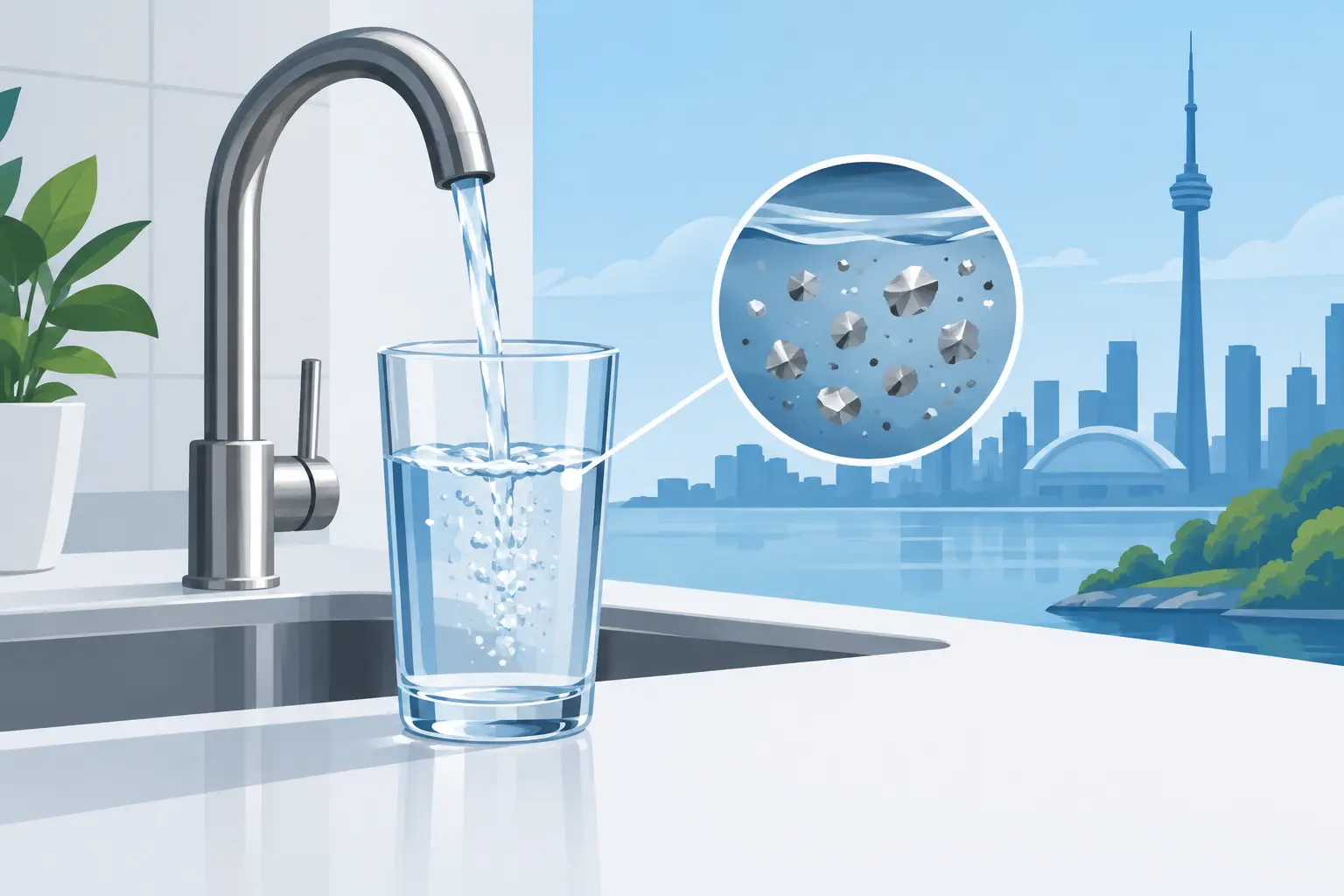
Metallic-tasting water commonly contains elevated levels of naturally occurring minerals such as iron, manganese, copper, or zinc. It can also pick up metals as it travels through aging plumbing fixtures, pipes, water heaters, or service lines.
Iron often creates a rusty, blood-like or coin-like taste. Manganese can add a bitter metallic flavour and may be associated with dark staining. Copper may produce a sharper taste and, at higher concentrations, can leave blue-green staining around drains or fixtures. Zinc can also create a metallic taste, particularly where galvanized components are present.
A taste change does not automatically mean the water is unsafe. Many mineral-related taste issues are mainly aesthetic. However, lead has no reliable taste, smell, or colour, and some metals can be a health concern at elevated levels. Never use taste as the only safety test. If the change is sudden, severe, or accompanied by discoloured water, arrange water testing and take reasonable precautions while you wait for results.
The Most Common Causes in Ontario Homes
Iron and manganese in well water
Private wells across Ontario can contain iron and manganese from natural rock and soil. These minerals are especially common where groundwater has limited oxygen. Water may look clear at first but turn yellow, orange, brown, or black after it sits or is exposed to air.
Iron and manganese do more than affect flavour. They can stain toilets, sinks, laundry, and dishwashers, contribute to deposits in plumbing, and make water feel unpleasant to drink. A correctly sized iron and sulphur removal system can address these issues, but the treatment method depends on the actual water chemistry. pH, hardness, iron concentration, manganese concentration, sulphur, and bacteria all influence the right design.
Corrosion inside plumbing
Municipal water is treated before it reaches your property, but it can still interact with your plumbing. Older copper piping, galvanized steel pipes, brass fixtures, solder, and fittings may release small amounts of metal when water is corrosive or has been sitting for hours.
This is why the first glass from a tap can taste different from water drawn after flushing the line for a minute or two. If the metallic taste occurs only at one fixture, the issue may be local to that faucet, its supply line, or the plumbing serving that part of the home. If it occurs throughout the house, the source water or main plumbing is more likely involved.
Homes with lead service lines or older plumbing deserve special attention. Lead cannot be confirmed by taste, and boiling water does not remove it. Testing is the appropriate next step, followed by a certified lead-reduction treatment solution if needed.
Hot water heater or water softener issues
When cold water tastes normal but hot water tastes metallic, start with the water heater. Sediment, corrosion, a deteriorating anode rod, or bacteria-related conditions inside the tank can change taste and odour. A plumbing professional can inspect the tank, flush sediment where appropriate, and determine whether service or replacement is needed.
A water softener can also affect flavour when it is not set up, maintained, or regenerating properly. Softened water should not taste strongly metallic. If it does, the system may not be the root cause, but it should be inspected alongside the source water and plumbing.
Stagnant water and seasonal properties
Cottages, vacant units, and seldom-used taps can develop noticeable taste changes because water remains in contact with pipes and fixtures longer. Flushing cold water until it runs fresh and cold may improve the taste temporarily. It does not replace testing when the problem continues, especially for properties supplied by a well or lake-water intake.
Seasonal water systems can also experience changes in sediment, iron, organic matter, and bacteria levels. Those variables call for treatment designed around the property, not a one-size-fits-all cartridge.
How to Narrow Down the Source
A few observations can help identify where to focus, although they are not a substitute for laboratory analysis. Compare water from the kitchen cold tap, the hot tap, and an outdoor tap if available. Note whether the water is clear, yellow, orange, brown, or black, and look for blue-green, rust-coloured, or dark stains around fixtures.
Ask whether the taste appears in every glass or only after water has sat overnight. Check whether neighbours on the same municipal supply notice a similar change. For a well, review any past water test results and consider recent changes such as flooding, construction, drought, pump work, or a new water softener.
If metallic taste comes with visible particles, persistent discolouration, a rotten-egg odour, stomach illness in the household, or a sudden major change in water quality, do not treat it as a minor nuisance. Use an alternate drinking-water source where appropriate and arrange professional testing promptly.
Testing Comes Before Treatment
The right solution begins with knowing what is actually in the water. A useful water analysis may assess iron, manganese, hardness, pH, total dissolved solids, copper, lead where relevant, sulphur, and bacteria for private water supplies. Municipal customers may need targeted testing focused on the plumbing-related concern, while well-water properties generally benefit from a broader analysis.
Sampling method matters. A first-draw sample can help assess water that has been sitting in plumbing, while a flushed sample can provide a clearer picture of source water. For lead concerns, follow the testing provider’s collection instructions precisely. Results should be interpreted against applicable Canadian and Ontario guidance, along with the property’s plumbing and water-use pattern.
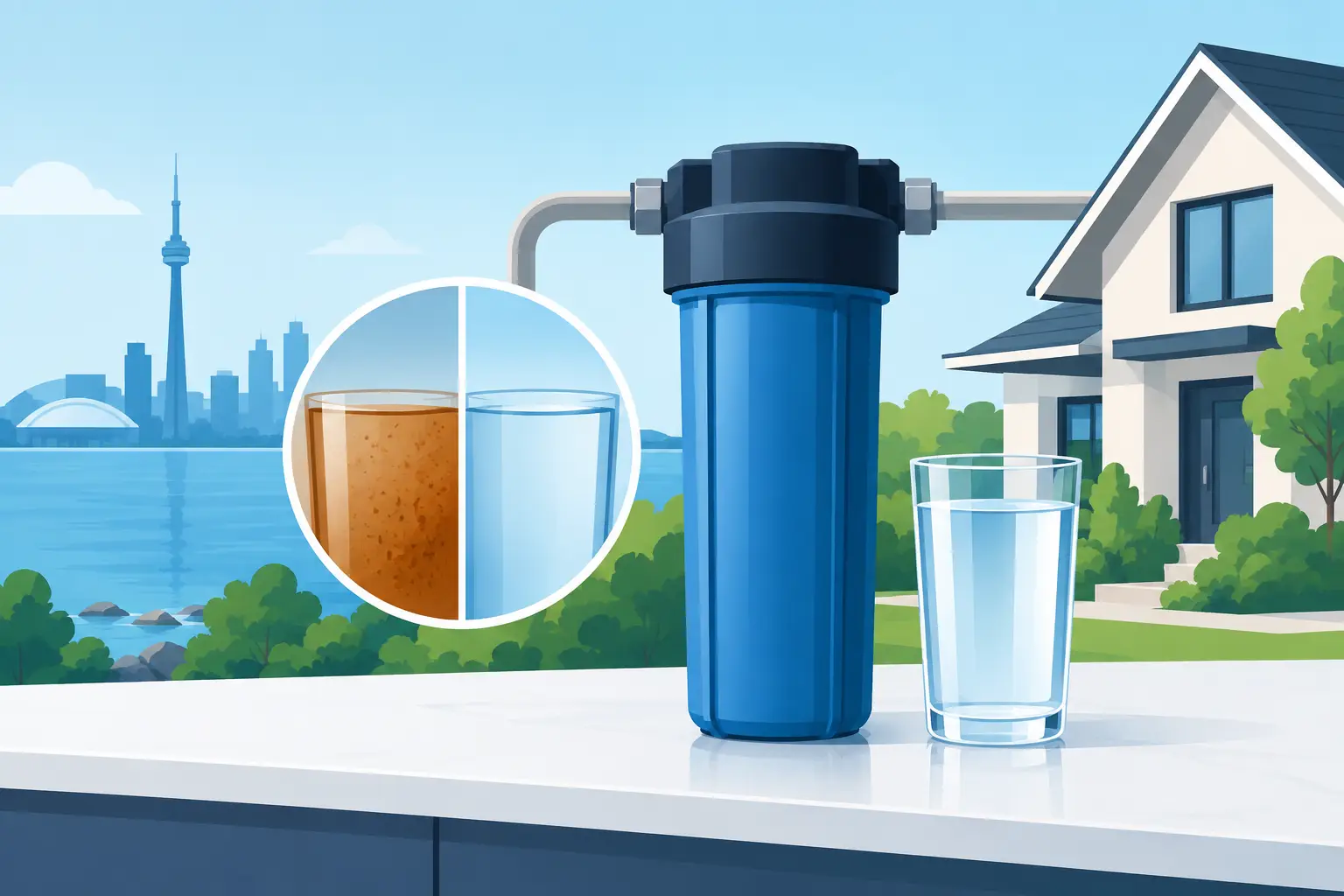
This step protects you from buying treatment that does not solve the problem. A basic sediment filter may catch particles but will not reliably remove dissolved iron, copper, manganese, or lead. Likewise, a small under-sink system may improve drinking water at one tap but will not protect showers, appliances, laundry, or commercial equipment from whole-building water quality issues.
Treatment Options That Match the Problem
For drinking water, a reverse osmosis system is often a strong option for reducing many dissolved contaminants, including certain metals, at a dedicated kitchen tap. It is particularly useful when the main concern is taste and the household wants high-quality water for drinking and cooking. Maintenance is essential: filters and membranes need replacement on schedule to maintain performance.
For lead, choose a system specifically rated for lead reduction and install it where the water will be consumed. Depending on the property and the source of lead, a point-of-use system or a broader whole-home approach may be recommended.
For iron, manganese, sulphur, hardness, and staining that affect the entire property, whole-home treatment is usually the more practical answer. This may include sediment filtration, oxidation and filtration equipment, a water softener, specialized media, or a custom combination of systems. The goal is not simply better taste. It is cleaner fixtures, reduced scale, fewer stains, and less wear on water-using equipment.
Commercial buildings need the same diagnosis, scaled for higher flow rates and greater demand. A hotel, school, healthcare facility, or multi-unit property may require engineered treatment that maintains performance during peak use while meeting operational and maintenance requirements.
When Professional Help Makes Sense
If the metallic taste persists after flushing, appears at multiple fixtures, or is paired with staining, odours, discolouration, or concerns about older plumbing, professional testing is the efficient next move. Canadian Smart Home Solutions can assess the water source, interpret results, and recommend a treatment system that addresses the cause rather than masking the taste.
Fresh-tasting water should not be guesswork. A focused water test and properly matched treatment can turn an unsettling glass of water into a dependable part of daily life.