Best Commercial Reverse Osmosis Systems for Ontario

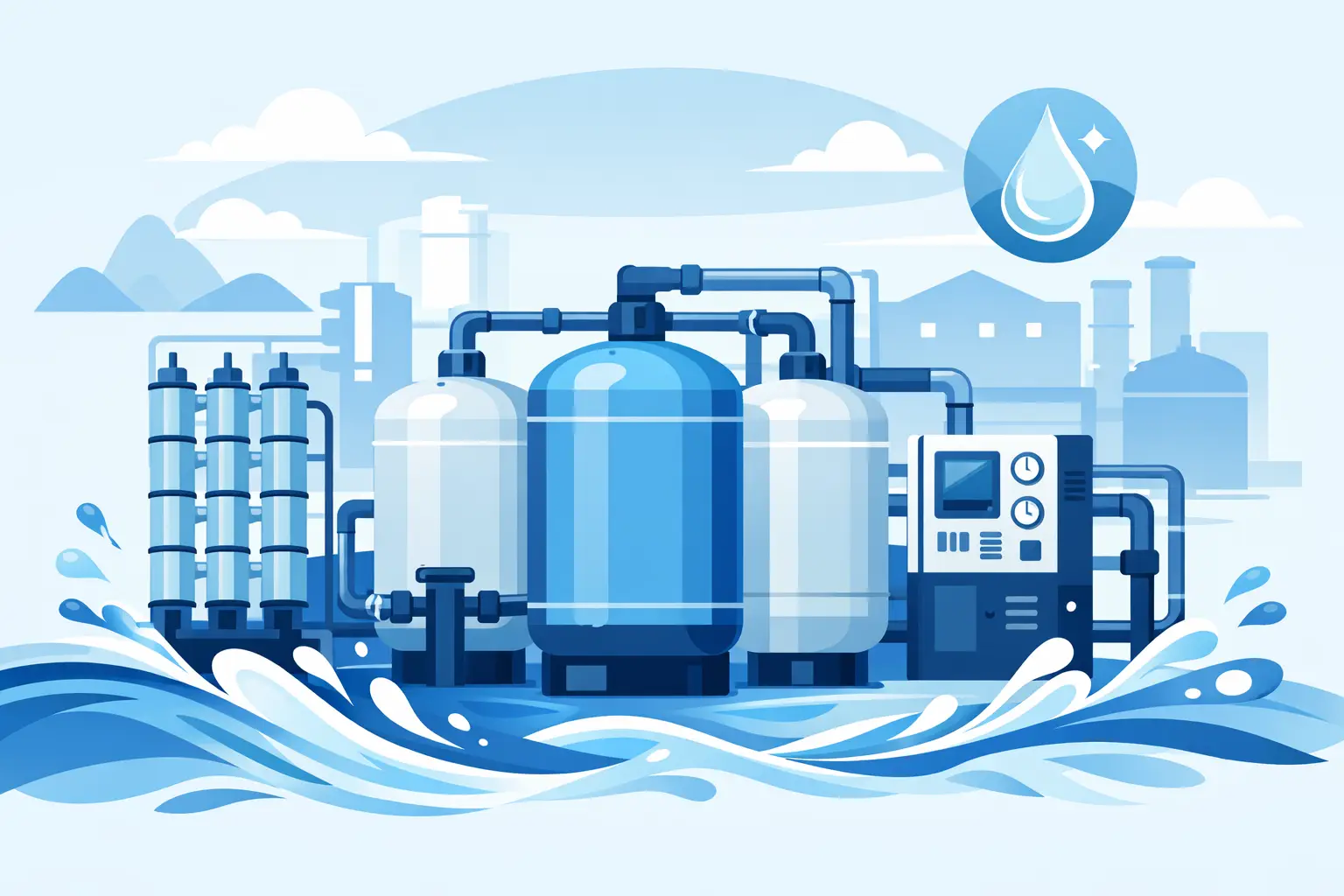
A hotel that runs out of purified water at breakfast, a school dealing with poor-tasting drinking water, or a manufacturer facing scale inside process equipment all have the same problem: water quality is affecting daily operations. The best commercial reverse osmosis systems address that problem with properly sized equipment, effective pretreatment, dependable controls, and professional installation. The right system is not simply the one with the highest production rating. It is the one engineered around your water source, demand pattern, space, drainage, and treatment goals.

What a Commercial RO System Actually Does

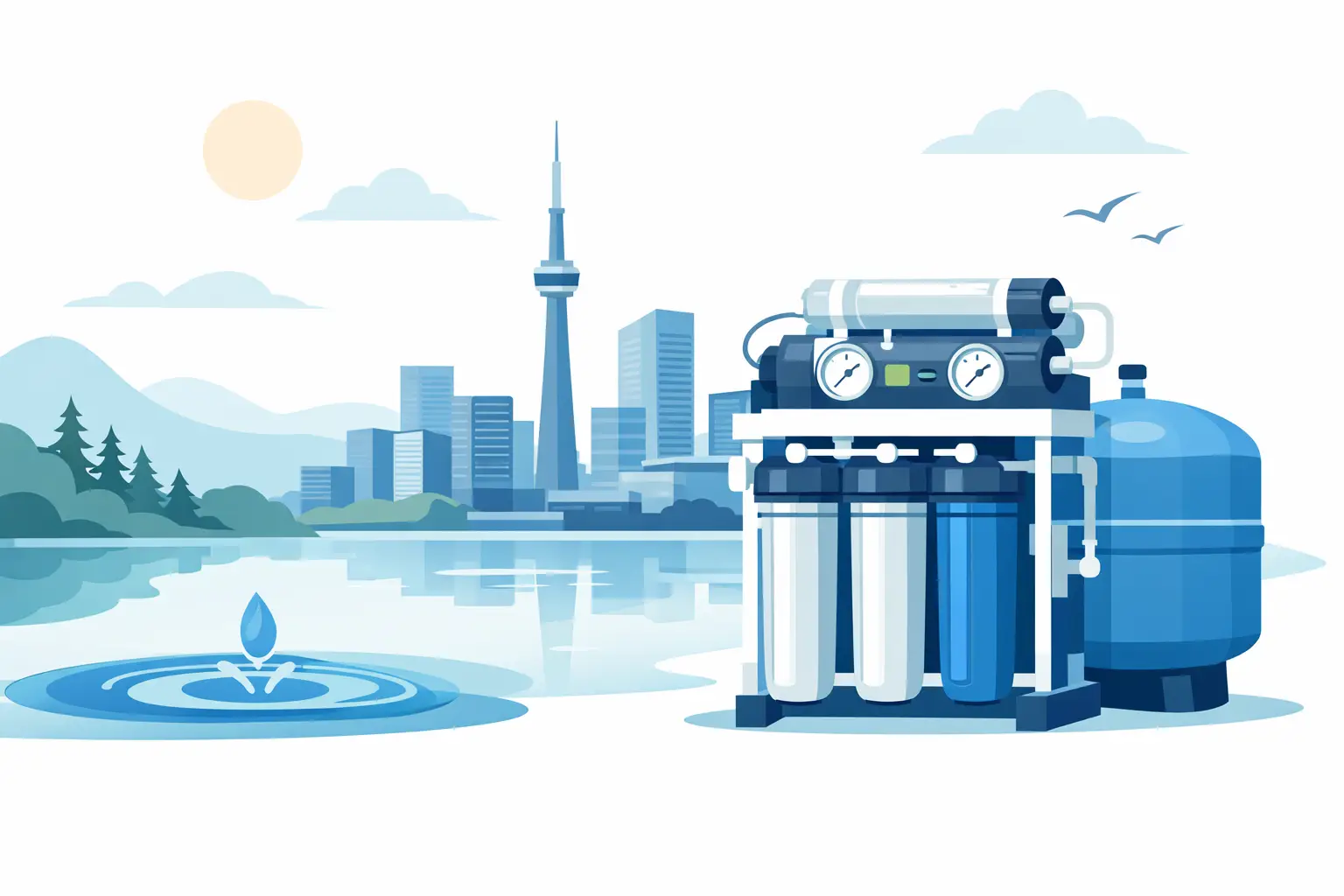
Reverse osmosis, often called RO, uses pressure to push water through a semi-permeable membrane. The membrane separates many dissolved contaminants from the product water, including salts, minerals, lead, and other dissolved solids. The result is cleaner, lower-mineral water for drinking, food service, steam equipment, process use, humidification, spot-free rinsing, and other applications where water quality matters.

An RO system produces two water streams. Permeate is the treated water delivered to a storage tank or directly to the point of use. Concentrate is the water carrying away rejected dissolved material and is directed to drain or, where appropriate, managed through a designed recovery approach.

That distinction matters because commercial RO design is about more than filtration. A system must produce enough permeate at the required quality while accounting for feed-water temperature, incoming pressure, drain capacity, operating hours, and expected membrane recovery. A unit that looks adequate on paper can fall short during peak demand if those details are ignored.

Choosing the Best Commercial Reverse Osmosis Systems

The best fit depends on what the water will do for your facility. A small office providing drinking water has very different requirements from a nursing home, restaurant, hotel laundry, laboratory, or manufacturing operation. Start with the intended use, then work backwards into capacity and treatment design.

Capacity Must Match Peak Demand

Commercial RO capacity is commonly expressed in gallons per day, but daily production alone is not enough. A facility may use modest volumes overall yet require a large amount of purified water in a short window. A café may need water quickly during morning service. A hotel may see concentrated demand in its kitchen, ice machines, and beverage stations. A production line may need a steady, uninterrupted supply.

Storage is often the practical answer. An RO system can replenish a correctly sized atmospheric tank over time, while a delivery pump provides high flow when the building needs it. This approach prevents the system from being oversized solely to handle short demand spikes. It also adds a useful operational buffer when usage is variable.

For larger facilities, duplex or multi-membrane configurations can provide greater output and redundancy. Redundancy costs more up front, but it can be worthwhile where loss of treated water would interrupt patient care, food service, production, or tenant services.

Water Testing Comes Before Equipment Selection

No commercial system should be selected without reviewing the incoming water. Municipal water and well water can both contain conditions that affect performance. Hardness, iron, manganese, chlorine or chloramine, turbidity, silica, sulphur odours, bacteria, and total dissolved solids can all influence the treatment train.

For example, hard water can form scale on RO membranes, reducing production and increasing cleaning requirements. Iron and manganese can foul membranes. Chlorine can damage many standard thin-film composite membranes unless it is removed first. Well water may also require disinfection and specialized filtration before it reaches the RO equipment.

A proper water analysis identifies these risks before installation. It also helps establish realistic expectations for treated-water quality and ongoing maintenance. At Canadian Smart Home Solutions, commercial recommendations are built around the actual water problem rather than a one-size-fits-all package.

Pretreatment Protects the Membranes

Membranes are the working core of an RO system, but pretreatment is what keeps them productive. In many commercial applications, the system may include sediment filtration, carbon filtration, a water softener, iron or sulphur removal equipment, ultraviolet treatment, antiscalant dosing, or a combination of these components.

The correct sequence depends on the feed water. Carbon filtration is commonly used on chlorinated municipal supplies to protect membranes and improve taste and odour. Water softening may be necessary where hardness is high. On well water, specialized iron removal or oxidation treatment may be needed ahead of the RO system.

Cutting pretreatment to reduce the initial price is a false economy. Membrane replacement, downtime, reduced flow, and frequent service can quickly cost more than installing the right protection at the beginning.

Features That Matter in Commercial RO Equipment

A commercial RO system should be built for the environment in which it will operate. That means selecting quality membranes and vessels, reliable pumps, appropriate pressure gauges, flow meters, automatic flushing, and controls that allow staff or service technicians to see how the equipment is performing.

Conductivity monitoring is particularly valuable because it tracks dissolved solids in the product water. A change in conductivity can indicate membrane wear, incorrect blending, or another operating issue before it becomes a larger problem. Tank level controls, low-pressure cut-offs, leak protection, and automatic shutdown functions also help protect the equipment and reduce unnecessary waste.

For facilities with limited mechanical-room space, layout matters just as much as the equipment itself. A wall-mounted skid may suit one application, while a floor-mounted system with storage tanks, pumps, and pretreatment vessels may be better for another. Access for filter changes, membrane service, salt delivery, drain connections, and electrical work should be planned before the system arrives.

Commercial RO Is Not Always the Complete Solution

Reverse osmosis is highly effective for dissolved contaminants, but it does not replace every other water treatment process. If a facility has bacterial concerns, UV disinfection or another approved disinfection method may be required. If the concern is whole-building hardness, an RO system serving a drinking-water line will not protect all plumbing fixtures, boilers, dishwashers, and water-using appliances from scale.

Likewise, RO creates lower-mineral water that may be ideal for certain processes but unnecessary for every tap in the building. Treating only the water needed for drinking, beverage equipment, ice machines, laboratory use, or a specific process can be more cost-effective than trying to supply RO water throughout a large property.

Some applications also need post-treatment. Remineralization can improve the taste of drinking water, while UV treatment after storage can add protection in systems with tanks and distribution piping. Blending may be used where a specific water quality target is required. These choices should be based on the use of the water, not assumptions.

Installation, Service, and Operating Costs

A commercial RO purchase should include a plan for installation and support. Plumbing connections, electrical requirements, drain routing, floor space, ventilation, and local code compliance all need to be considered. In Ontario, commercial properties often have complex mechanical spaces and operational restrictions, making professional site assessment especially valuable.

Operating cost is influenced by feed-water quality, recovery rate, incoming pressure, water temperature, filter changes, membrane life, and the volume of concentrate sent to drain. Higher recovery can reduce water waste, but pushing recovery too far can increase scaling and membrane fouling. The right setting is a balance between efficiency and reliable operation.

Routine service should include checking pressures and flows, changing prefilters, reviewing conductivity, sanitizing storage where appropriate, inspecting pumps and controls, and replacing membranes when performance declines. Keeping records helps identify gradual changes before they become an emergency. Facilities that depend on treated water should also keep critical replacement filters and service contacts readily available.

Questions to Ask Before You Buy

Before approving a system, ask whether the proposal is based on a current water test and actual peak demand. Confirm what pretreatment is included, where treated water will be stored, how much drain water the system will produce, and who will service it after installation. You should also ask what happens if demand increases, a pump fails, or incoming water quality changes.

A dependable supplier should be able to explain the treatment sequence in plain language, identify the maintenance responsibilities, and size the equipment for your facility rather than offering a generic package. This is especially important for schools, healthcare settings, hospitality properties, and businesses where poor water quality can affect safety, customer experience, or equipment life.

The most effective commercial RO project starts with clear information: a water test, a site review, and an honest understanding of how your facility uses water. With those details in hand, you can install a system that delivers consistent treated water, protects valuable equipment, and gives your team one less operational problem to manage.

Why Water Leaves Orange Stains in Your Home

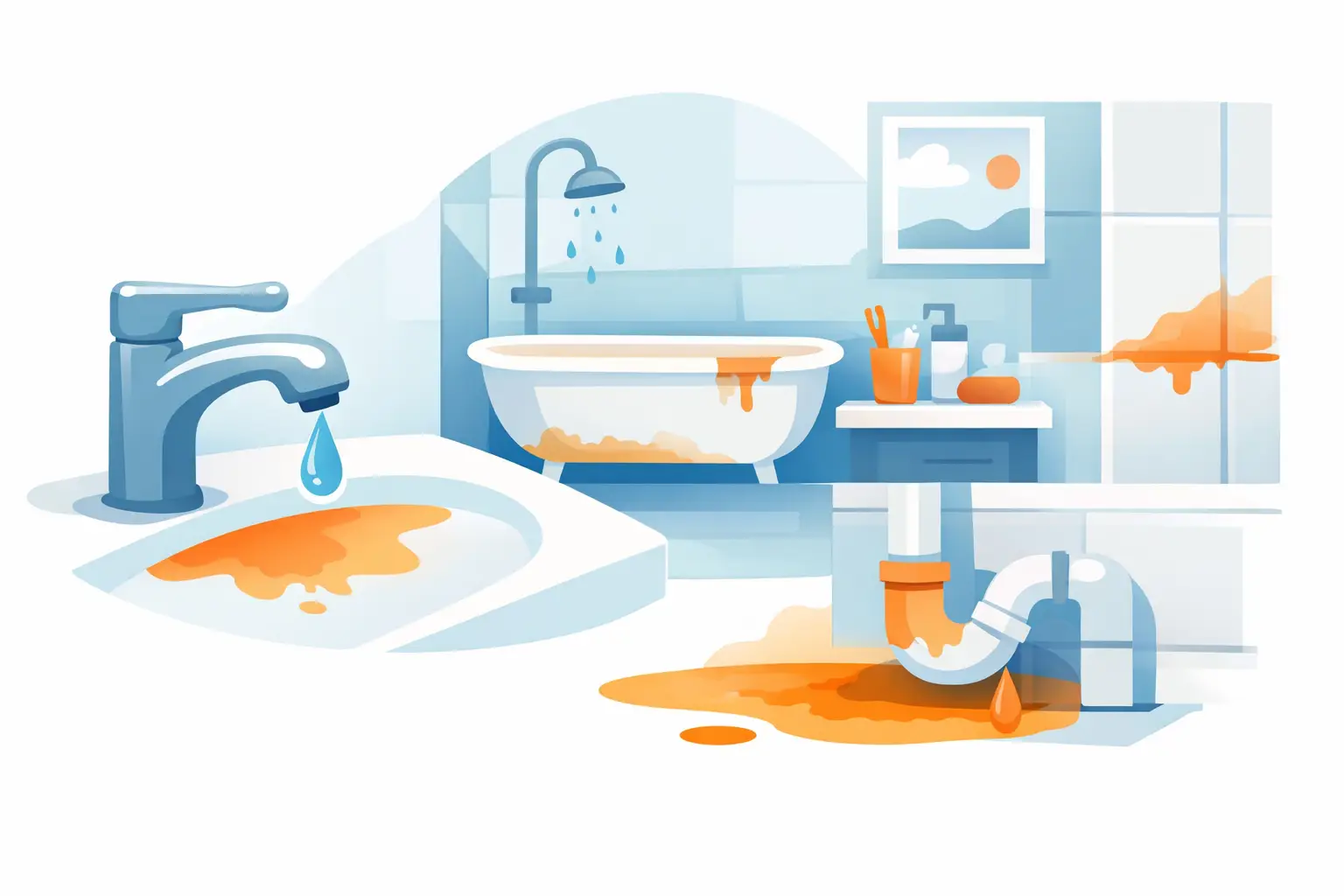
An orange ring around the toilet bowl, rust-coloured streaks in a sink, or staining on freshly washed laundry can make a clean home look neglected. If you are asking why water leaves orange stains, the answer is usually iron in the water supply, although ageing plumbing and certain bacteria can also be involved. The right fix depends on identifying the source before choosing equipment.

For Ontario homeowners, this issue is especially common with private wells, rural properties, and homes supplied by water that picks up minerals underground. It can also affect commercial washrooms, laundry rooms, kitchens, and mechanical equipment where large volumes of water move through fixtures every day.

Why water leaves orange stains

Orange, reddish-brown, or yellow-brown staining is most often caused by dissolved iron. Water can look perfectly clear when it comes from the tap because the iron is invisible while dissolved. Once that water meets air, it oxidizes and forms tiny rust-coloured particles that settle on porcelain, fiberglass, grout, clothing, and appliances.

This is why stains often become more noticeable around drains, toilet waterlines, humidifiers, dishwashers, and areas where water sits or evaporates. A small amount of iron may create a mild yellow tint over time. Higher iron levels can produce dark orange streaks quickly and may leave sediment in toilet tanks or filter housings.

Iron is a naturally occurring mineral, not automatically a health emergency. However, it is a serious practical water-quality problem. It creates ongoing cleaning work, affects the appearance of fixtures and laundry, can add a metallic taste to water, and may shorten the service life of plumbing components and water-using appliances.

The main sources of orange staining

Iron in well water

Groundwater travels through soil and rock that may contain iron. Private well owners are more likely to see orange staining because well water is not treated in the same way as municipal water. Iron levels can also change with seasonal groundwater conditions, well depth, rainfall, and changes in the local water table.

Iron may appear in several forms. Clear-water iron is dissolved and often only becomes visible after the water has been exposed to oxygen. Oxidized iron is already particulate, so it may make water look yellow, orange, or cloudy right from the tap. Some properties have both forms, which affects the type of filtration needed.

Corroding plumbing or an old water heater

If staining appears only at one faucet, or only with hot water, the source may be inside the building rather than the incoming supply. Old galvanized steel pipes can corrode internally and release iron particles. A deteriorating water heater can also contribute to discoloured hot water, particularly after the water has sat unused.

A useful clue is consistency. When every cold-water fixture shows staining, the incoming water should be tested. When the issue is limited to a single tap or the hot-water side, a plumbing assessment may be required alongside water testing.

Iron bacteria

Iron bacteria are naturally occurring organisms that use iron as part of their growth process. They do not usually cause disease, but they can create an orange, brown, or slimy buildup in toilet tanks, well equipment, and plumbing lines. Some people describe it as rust-coloured sludge or a film that returns soon after cleaning.

Iron bacteria can worsen staining and clog filters, pressure switches, and small plumbing passages. Treatment may require well disinfection or cleaning in addition to an iron-removal system. Installing a standard filter without addressing bacterial growth can lead to frequent maintenance and disappointing results.

Municipal water and building-specific issues

Municipal water is generally treated before it reaches homes and businesses, but orange staining can still occur. Corrosion within a building, disturbances in older distribution lines, or mineral-rich source water can contribute. Property managers should not assume a stain is harmless simply because the building is on municipal water. Testing provides a clear starting point and helps separate a plumbing issue from a treatment need.

What orange stains can do to your home or facility

The visual impact is obvious, but staining is rarely limited to appearance. Iron deposits can build up in washing machines, dishwashers, water heaters, humidifiers, ice makers, and fixtures. Over time, this buildup may reduce efficiency, interfere with valves, and increase maintenance costs.

Laundry is another common frustration. White fabrics can develop a yellow or orange cast, while light-coloured loads may come out looking dull despite using the correct detergent. Bleach is not a reliable solution for iron staining and can sometimes make the discolouration more difficult to remove.

In commercial settings, stained washrooms and linens affect guest, resident, patient, and customer perceptions. Hotels, healthcare facilities, schools, and multi-unit properties also have more equipment at risk. A properly engineered system needs to account for the water chemistry and the facility’s peak flow rate, not only the visible stain.

Do not guess – test the water first

An orange stain points toward iron, but appearance alone cannot tell you how much iron is present or what else is in the water. Manganese, hardness minerals, sulphur, pH, tannins, sediment, and bacteria can influence treatment performance. Water that contains iron and sulphur, for example, may need a different approach than water with iron alone.

A professional water analysis identifies the relevant conditions and prevents common mistakes, such as installing a softener when dedicated iron removal is needed or choosing a filter that is too small for household demand. For well water, testing should also consider microbiological quality and any changes after flooding, construction, or a noticeable shift in taste, smell, or colour.

The test results should guide the recommendation. A dependable solution is designed around the source water, household size or building demand, plumbing layout, and maintenance expectations.

Treatment options that actually address iron

There is no single system that suits every orange-stain problem. The best option depends on the form of iron, its concentration, the presence of other contaminants, and how much water the property uses.

For lower levels of dissolved iron, a water softener may help reduce staining while also controlling hardness and scale. This can be a practical choice where iron is modest and hard water is already causing spotting, mineral buildup, and reduced appliance efficiency. However, softeners are not the best standalone choice for significant iron levels or iron bacteria.

An iron removal filter is often the more direct solution for well water with noticeable staining. These systems typically oxidize iron and filter the resulting particles before water reaches fixtures. Depending on the water conditions, treatment may use air injection, specialized media, chemical oxidation, or a combination of processes.

Where sulphur odour, manganese, sediment, or bacteria are also present, a multi-stage whole-home treatment system may be needed. The goal is not merely to make one sink look cleaner. It is to protect the plumbing system, appliances, laundry, and water quality throughout the property.

Point-of-use systems, such as reverse osmosis, can improve drinking water at a kitchen tap, but they do not stop stains in toilets, showers, laundry, or water-using equipment. For a whole-home staining issue, treatment should generally be installed where water enters the building.

Cleaning existing stains without damaging fixtures

Treatment stops new staining, but existing deposits still need to be removed. Use a cleaner specifically intended for rust or iron stains and follow the product directions for the surface being cleaned. Porcelain, acrylic, natural stone, and coloured grout may react differently, so test a small hidden area first.

Avoid aggressive abrasives that can scratch a fixture. A scratched surface holds deposits more easily and can make the problem appear to return faster. If stains are severe, repeated gentle cleaning may be safer than one harsh attempt.

It is also worth checking toilet tanks and aerators. These areas can collect iron sediment and continue releasing discolouration even after treatment has been installed. A service professional can advise whether plumbing components need flushing, repair, or replacement.

When to call a water treatment professional

Persistent orange stains, metallic taste, visible particles, foul odours, changing water colour, or recurring slime in toilet tanks are all reasons to arrange water testing. The same applies when a property already has treatment equipment that is no longer keeping up. Filters and media have limits, and changing water conditions may require service, adjustment, or a system upgrade.

Canadian Smart Home Solutions can assess the water issue, recommend treatment that fits the property, and install a whole-home system designed for lasting performance. For homes and facilities across Ontario, a properly sized iron-removal solution can replace constant scrubbing with cleaner fixtures, better-protected equipment, and water that is easier to live with.

Orange stains are a useful warning sign, not a cleaning failure. Once the water is tested and the cause is confirmed, the path to cleaner fixtures and dependable water becomes much more straightforward.

Why Tap Water Tastes Metallic and What to Do

A metallic taste in a glass of water is hard to ignore. If you are asking why tap water tastes metallic, the answer may be as simple as mineral-rich water or as important as aging plumbing. The taste alone does not identify the cause, and it should not be dismissed if it is new, persistent, or affecting everyone in the building.

For Ontario homeowners, the source can be the municipal supply, a private well, water sitting in household pipes, or corrosion within plumbing fixtures. The right solution depends on a proper diagnosis. Treating every metallic taste with the same filter can leave the real issue unresolved.

Why Tap Water Tastes Metallic

Metallic-tasting water usually contains dissolved minerals or metals, or it has picked them up as it moves through pipes and fixtures. Iron, manganese, copper and zinc are common contributors. In some cases, chlorine changes, plumbing repairs, low water use, or shifts in water chemistry make an existing issue suddenly more noticeable.

The taste may be strongest first thing in the morning, after returning from vacation, or from one particular faucet. Those details matter. Water that tastes metallic only after sitting in the pipes points to a different investigation than water that tastes the same at every tap.

Iron and manganese in well water

Iron is one of the most common reasons well water develops a metallic or earthy taste. It can also leave orange, brown, black, or yellow staining on sinks, toilets, laundry, and appliances. Manganese may create dark staining and a bitter, metallic flavour, even when the water initially looks clear.

These minerals are naturally occurring, particularly in groundwater. A basic sediment filter may catch visible particles, but dissolved iron and manganese often require a purpose-built treatment system. Depending on the water test results, that may involve oxidation, specialized media filtration, or an iron and sulphur removal system.

Copper or corrosion from plumbing

Blue-green stains around drains, on porcelain, or beneath a faucet can indicate copper corrosion. Water that is naturally acidic, has low alkalinity, or sits in copper plumbing for extended periods can dissolve small amounts of copper into the water. The result may be a metallic, bitter taste that is more noticeable in water drawn from a rarely used tap.

Older galvanized pipes, brass components, corroded fittings, and failing water heaters can also affect taste. If the taste occurs only with hot water, the water heater is a likely place to investigate. Sediment, corrosion, or a deteriorating anode rod can change the quality of hot water without affecting the cold-water supply.

Water that has been sitting in pipes

A metallic flavour after several hours without water use is not unusual in older homes or buildings. Water has more time to contact plumbing materials, which can intensify taste changes. Run the cold tap until the water becomes consistently cold before filling a drinking glass, especially after overnight stagnation.

This is a useful short-term step, not a substitute for finding the cause. If flushing improves the taste every time, have the plumbing and water chemistry assessed. In schools, hotels, nursing homes, and other facilities with low-use areas, stagnant water management is particularly important.

Changes to municipal water or local plumbing work

Municipal water is regularly monitored, but maintenance activity, seasonal source changes, water-main work, or changes to disinfectant treatment can alter flavour temporarily. These changes may also disturb deposits inside a building’s service line or plumbing.

If neighbours report the same issue, contact your local water provider to ask whether maintenance or a known change is underway. If the problem is limited to your property, the service line, fixtures, or internal plumbing deserve closer attention.

A Metallic Taste Is Not a Reliable Safety Test

Taste can be an early warning that water quality has changed, but it cannot tell you whether water is safe or identify the metal involved. Some contaminants have little or no taste, colour, or odour. Lead is the most important example: water containing lead may taste normal, and metallic-tasting water does not automatically mean lead is present.

Homes built before current plumbing standards, properties with older service lines, and buildings with older fixtures should take lead concerns seriously. Families with infants and young children, pregnant people, and residents with health concerns should be especially cautious about relying on taste alone.

Do not use hot tap water for drinking, cooking, infant formula, or food preparation. Hot water can dissolve metals from plumbing more readily. Use cold water and run it until cold when water has been sitting in pipes. If there is a credible lead concern, arrange appropriate testing and use a treatment solution certified for lead reduction while the issue is being addressed.

How to Narrow Down the Cause

A few observations can help identify the next step. Check whether the metallic taste appears in both hot and cold water, at one tap or throughout the home, and only after water has been sitting. Look for staining, sediment, reduced pressure, cloudy water, or a rotten-egg odour, since these symptoms often occur alongside iron, manganese, sulphur, or corrosion issues.

It is also helpful to compare a first-draw sample, taken after several hours of non-use, with a sample collected after flushing the cold tap for a few minutes. A major difference suggests the plumbing is influencing the water. For a reliable answer, professional water testing should target the conditions found in your home or facility.

A well-water test may include iron, manganese, hardness, pH, alkalinity, bacteria, sulphur, and other relevant parameters. For municipal water, testing may focus more closely on lead, copper, and water chemistry associated with corrosion. A treatment recommendation should follow the results, not come before them.

Choosing the Right Treatment for Metallic-Tasting Water

There is no single filter that solves every metallic taste. The best equipment depends on the source of the problem, the concentration of minerals or metals, household water use, plumbing condition, and whether the goal is better drinking water, whole-home protection, or both.

A reverse osmosis drinking water system is often an excellent option for reducing many dissolved contaminants at a dedicated kitchen tap. It is well suited to homeowners who want cleaner-tasting water for drinking and cooking. However, it does not correct staining, scale, or iron throughout showers, laundry, toilets, and appliances.

For iron, manganese, sediment, or sulphur affecting the entire supply, a whole-home filtration system is usually the more practical approach. These systems protect fixtures and appliances while improving water at every tap. Water softeners can reduce hardness and scale buildup, but they are not a universal answer for iron, lead, or corrosion. In some homes, a softener works best as part of a larger treatment train.

Carbon filtration can improve chlorine-related taste and odour, but its effectiveness varies by contaminant and filter design. Ultraviolet systems disinfect water but do not remove metals or improve a metallic taste. Each component has a specific role, which is why properly designed systems outperform one-size-fits-all installations.

When to Act Quickly

Arrange testing promptly if a metallic taste begins suddenly, follows flooding or plumbing damage, appears with discoloured water, or is accompanied by visible particles. Act quickly as well if you suspect lead, rely on a private well, or manage water for a school, healthcare setting, rental property, or food-service operation.

If the issue is isolated to hot water, have the water heater inspected. If it is only at one fixture, examine that faucet, its supply lines, and any point-of-use filter. Replacing a corroded fixture may solve a localized issue, while a whole-home concern requires a broader solution.

Canadian Smart Home Solutions can assess the water conditions, explain the results clearly, and recommend equipment sized for the property rather than a generic filter. A metallic taste may be inconvenient, but it can also be a useful signal to protect your drinking water, plumbing, appliances, and peace of mind.

High Flow Water Treatment Systems That Perform

A treatment system can remove the right contaminant and still disappoint if it restricts water when a building needs it most. High flow water treatment systems are designed to protect water quality without leaving families, tenants, guests, or staff with weak showers, slow filling equipment, or inconsistent pressure during busy periods.

For Ontario properties with multiple bathrooms, large families, commercial kitchens, laundry operations, institutional fixtures, or process equipment, flow capacity is not a minor specification. It is part of whether the system works in real conditions. The right design addresses the water problem at hand – hardness, iron, sulphur odour, sediment, bacteria, lead, or other concerns – while maintaining the service flow the property requires.

What high flow really means

High flow is not one fixed number of litres per minute. A suitable rate depends on how much water a property uses at peak demand and how much pressure loss it can tolerate. A large home may need enough capacity for two showers, a dishwasher, and a washing machine at once. A hotel, school, healthcare facility, or multi-unit building may require far more water across dozens of fixtures and equipment connections.

Every treatment component creates some resistance as water passes through it. Fine sediment filters, small plumbing connections, undersized media tanks, and cartridges that are near the end of their service life can all reduce pressure. A properly engineered system accounts for this pressure drop before installation, rather than treating it as an afterthought.

This is why a system sized only by the number of occupants or a single water test result can be inadequate. Water chemistry tells us what must be treated. Peak flow, incoming pressure, pipe size, and fixture demand tell us how the equipment must be built.

When a standard system may not be enough

Many homes can be well served by a conventional whole-home filter or water softener. However, higher-capacity equipment should be considered when the property has several bathrooms, a large soaker tub, body-spray showers, high-efficiency appliances operating at the same time, or a well pump that must support substantial demand.

Commercial and institutional settings have even clearer requirements. Hotels need reliable water for guest rooms, laundry, kitchens, and mechanical equipment. Schools and nursing homes need dependable treatment during concentrated periods of use. Restaurants, car washes, farms, and manufacturing operations may need a system that supports a specific process flow while protecting equipment from scale, sediment, staining, or microbial concerns.

The goal is not simply to install the largest equipment available. Oversizing can increase upfront cost, use more salt or water during regeneration, and take up valuable mechanical-room space. The goal is to match the treatment train to the actual flow profile and water quality of the building.

Start with water testing and a site assessment

An effective design begins with a complete assessment. Municipal water and private water sources create different challenges, and two wells in the same community can have very different levels of iron, hardness, tannins, sulphur, or bacteria.

A water analysis may identify hardness minerals that create scale, iron that stains fixtures, sulphur that causes a rotten-egg odour, lead concerns at the point of use, or microbiological risks that require disinfection. The assessment should also consider pH, turbidity, total dissolved solids, chlorine or chloramine levels, and any treatment already in place.

The building itself matters just as much. An installer should review the incoming service line, available pressure, pressure tank and pump performance for well systems, plumbing layout, drain access, electrical requirements, and space for servicing the equipment. For commercial work, demand patterns and local code requirements need to be part of the plan.

At Canadian Smart Home Solutions, this diagnostic approach helps prevent a common mistake: installing treatment equipment that looks appropriate on paper but cannot keep pace when the property is fully occupied.

How high flow water treatment systems are designed

A high-capacity solution is usually a sequence of properly sized components, not a single oversized filter. The order is important because each stage protects the next and improves overall performance.

Sediment and particulate filtration

Sediment can come from well water, aging plumbing, municipal-main work, lake water sources, or storage tanks. Removing sand, silt, rust, and other particles protects valves, softeners, ultraviolet equipment, and downstream filters. In high-demand applications, large-capacity housings, automatic backwashing filters, or duplex configurations may be more appropriate than a small cartridge filter that clogs quickly.

The correct micron rating involves a trade-off. Finer filtration captures smaller particles but can produce more pressure drop. Where water contains heavy sediment loads, staged filtration often provides better flow and longer service intervals than relying on one very fine filter.

Water softening and scale control

Hard water is one of the most frequent reasons to install whole-home treatment. Calcium and magnesium create scale on fixtures, water heaters, boilers, dishwashers, coffee equipment, and plumbing components. A high-flow softener uses enough resin volume, valve capacity, and plumbing diameter to supply softened water at peak demand.

For larger properties, twin alternating softeners can provide continuous service. While one tank regenerates, the other remains available to treat water. This approach is especially useful where untreated bypass water would create operational or equipment concerns.

Iron, sulphur, and specialty media

Well water often requires more than softening. Iron and manganese can leave orange, brown, or black staining. Sulphur can cause unpleasant odours, while tannins may create tea-coloured water. Depending on test results, treatment may involve oxidation, air injection, specialty media, backwashing filtration, or a combination of methods.

These systems must be sized for both contaminant loading and flow. A small unit may remove iron during low demand yet allow staining to return when several fixtures are open. Backwash flow is also critical. Media cannot clean itself effectively if the well pump or plumbing cannot provide the required backwash rate.

Disinfection and drinking-water polishing

Ultraviolet sterilizers are often used on private water supplies where bacteria, viruses, or other microorganisms are a concern. UV systems need properly pretreated water because sediment or cloudiness can shield microorganisms from the light. The chamber and lamp must also be rated for the real peak flow, not an assumed average.

Reverse osmosis is ideal for high-quality drinking water at a dedicated tap or for selected applications. It is not generally the most practical solution for supplying every fixture in a high-demand building. Whole-home filtration, softening, and disinfection handle broad water use, while reverse osmosis provides an additional level of drinking-water refinement where it makes sense.

Protecting pressure from the street or well to the fixture

A high-flow treatment system cannot create pressure that the water source does not have. If municipal pressure is low or variable, the system design may need to minimize restrictions and assess whether pressure boosting is appropriate. For well water, the pump, pressure tank, pressure switch settings, recovery rate, and piping all influence the available supply.

Pipe sizing is another practical issue. A treatment system with large ports cannot deliver its potential if it is connected to undersized plumbing. Conversely, larger piping alone will not compensate for clogged filters or an undersized softener. The complete installation has to work as one system.

Bypass valves and isolation valves should be installed so equipment can be serviced without shutting down the entire property unnecessarily. In facilities where water interruption is unacceptable, parallel equipment or duty-standby arrangements may be justified. That costs more initially, but it can reduce operational risk and avoid emergency downtime.

Maintenance is part of dependable flow

Even correctly sized equipment needs service. Filter cartridges need replacement, softeners require salt and periodic inspection, media filters need proper backwashing, and UV lamps require scheduled replacement. Neglecting maintenance gradually reduces performance and can recreate the pressure and water-quality problems the system was meant to solve.

Commercial systems benefit from a documented maintenance plan that tracks water use, pressure readings, regeneration performance, and service dates. A sudden drop in pressure can indicate a blocked prefilter, exhausted media, valve issue, or source-water change. Addressing it early is generally less disruptive and less expensive than waiting for a full failure.

For homeowners, the practical signs are easy to recognize: fixtures that stain again, soap that no longer lathers well, returning odours, declining pressure, or unusual cycling from a well pump. These are reasons to arrange a service review rather than simply replacing one component at random.

Choose capacity for the property you have

Reliable water treatment should be felt in daily use, not noticed as a compromise. When a system is matched to water chemistry, peak demand, and the building’s plumbing, it can deliver cleaner water while protecting fixtures, appliances, and equipment from the damage caused by hardness, sediment, iron, and other contaminants.

If your water quality has changed, pressure falls during busy periods, or a growing property has outpaced its current equipment, a professional assessment can identify the cause and provide a practical path forward. The right capacity gives your household or facility room to use water confidently when it matters most.

Whole Home Filter vs Under Sink: Which Fits?

A whole home filter vs under sink decision comes down to one practical question: are you trying to improve the water throughout your property, or are you focused on the water your family drinks and cooks with? The right answer is rarely about choosing the smallest or least expensive unit. It depends on the contaminants present, your water source, your plumbing, and the problems you want to solve.

For many Ontario homeowners, water treatment starts with a visible issue: white scale on fixtures, orange staining, a sulphur odour, cloudy water, or drinking water that does not taste right. Each issue points to a different treatment need. A properly selected system should address the cause, not simply mask the symptom.

Whole Home Filter vs Under Sink: The Main Difference

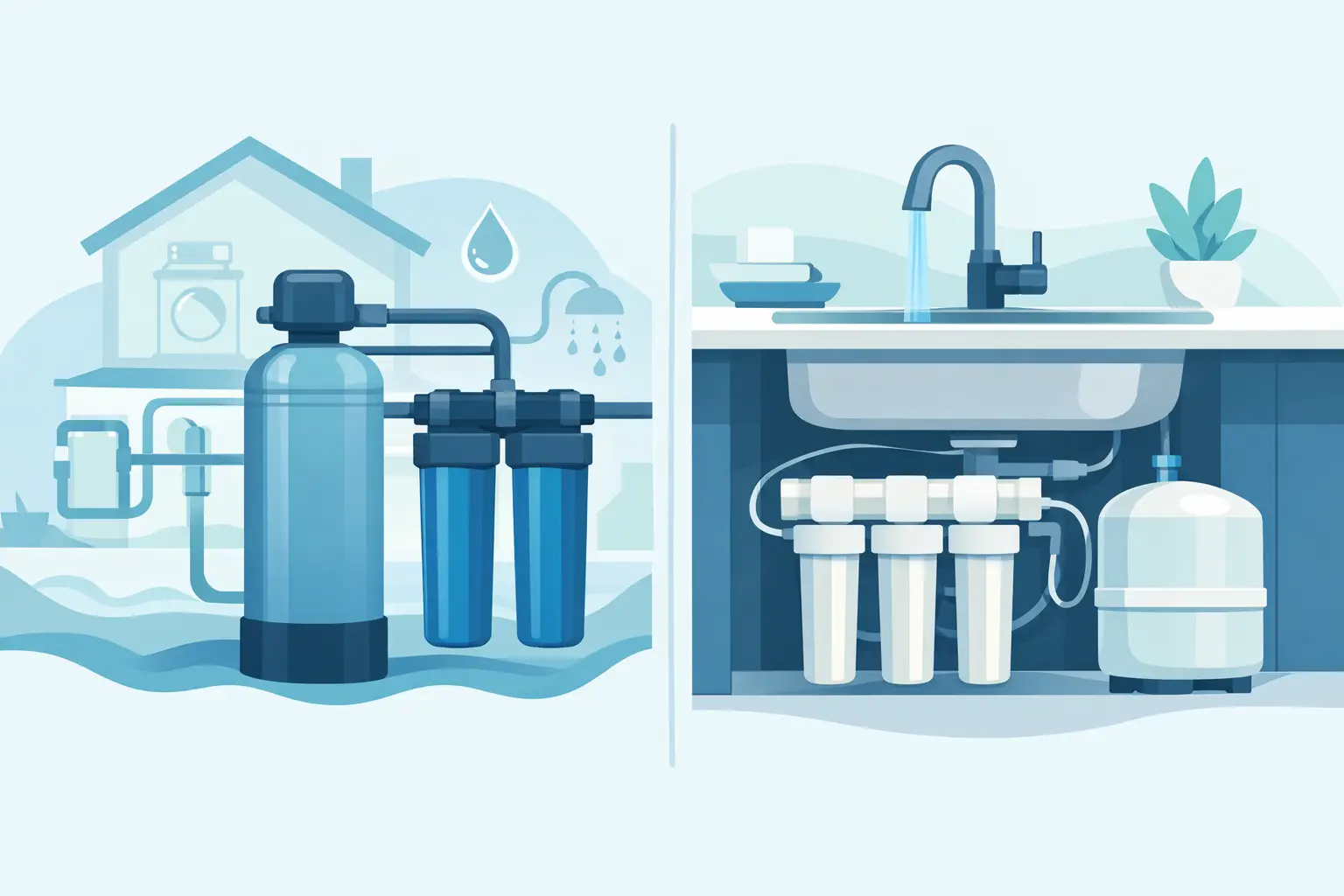
A whole-home filter is installed at the main water line, usually where water enters the house. It treats water before it reaches showers, faucets, toilets, laundry equipment, dishwashers, and water-using appliances. Depending on the media and system design, it can reduce sediment, chlorine, iron, sulphur, certain odours, and other contaminants.

An under-sink system is installed at one point of use, typically beneath the kitchen sink. It treats the water supplied to a dedicated drinking water faucet or, in some installations, the main kitchen faucet. Under-sink systems are often used for carbon filtration, lead reduction, or reverse osmosis drinking water purification.

Neither option is automatically better. They solve different problems. Whole-home equipment protects the property and improves water across daily uses. Under-sink treatment concentrates on high-quality water for drinking, cooking, making coffee, preparing infant formula, and filling pet bowls.

When a Whole-Home System Is the Better Investment

A whole-home filter is the more appropriate choice when the water issue affects more than the kitchen. If showers have a chlorine smell, fixtures develop scale, laundry looks dull, or sediment clogs aerators and appliances, a point-of-use filter will not solve the larger problem.

Municipal water customers may choose whole-home carbon filtration to reduce chlorine taste and odour throughout the house. The benefit is noticeable at every tap, including in the shower, where chlorine odour can be especially apparent. A sediment pre-filter may also be useful where fine particles are present or where older plumbing introduces debris into the water supply.

For private wells, whole-home treatment is often essential. Well water can contain iron, manganese, hardness minerals, hydrogen sulphide, bacteria, or sediment. These conditions can stain sinks and toilets, create unpleasant odours, damage plumbing components, and shorten the service life of water heaters, dishwashers, and washing machines. Treatment may involve a combination of filtration, oxidation, softening, ultraviolet disinfection, or specialized media selected through water analysis.

Hard water deserves special attention. A standard whole-home filter does not necessarily soften water. If calcium and magnesium are causing scale buildup, a water softener is generally the correct solution. Filtration and softening can work together, but they perform different jobs. Installing a filter when the real issue is hardness may improve some aspects of water quality while leaving scale and appliance wear largely unchanged.

Whole-home systems also need to be sized correctly. A small cartridge filter may be adequate for sediment control in a modest household, while a larger media tank system may be required for chlorine reduction or high-flow applications. Undersized equipment can restrict flow, reduce treatment performance, and create unnecessary maintenance. Professional installation helps ensure the system matches household demand and local plumbing requirements.

When an Under-Sink System Makes More Sense

An under-sink system is a focused solution for homeowners who are primarily concerned about drinking water quality. It is often the right fit when the rest of the home water supply is acceptable, but you want better taste, reduced lead exposure, or an additional level of purification at the kitchen tap.

Carbon under-sink filters can improve taste and reduce chlorine, odours, and selected contaminants, depending on the certified filter media. They are a practical choice for municipal water users who want fresher-tasting drinking water without installing equipment on the main water line.

Reverse osmosis systems provide a more intensive level of point-of-use treatment. They typically use several filtration stages and a membrane to reduce a broad range of dissolved substances. Reverse osmosis is commonly considered where customers are concerned about lead, total dissolved solids, certain metals, or specific water quality concerns identified through testing. It produces purified water at a dedicated faucet and is particularly useful for drinking and cooking.

The limitation is coverage. An under-sink reverse osmosis system will not stop scale in the shower, remove iron staining from toilets, or protect a water heater from hard-water deposits. It treats a small volume of water at one location. That is exactly what makes it efficient for drinking water, but it is not a whole-property treatment strategy.

Comparing Cost, Maintenance, and Performance

The initial cost of a whole-home system is generally higher because it requires larger equipment, main-line installation, and system sizing based on household flow rate and water conditions. Some systems also require drain connections, electrical service, backwashing capability, or periodic media replacement. In return, they can protect plumbing fixtures and appliances throughout the home.

Under-sink filters usually cost less to install and are simpler to maintain. Most require replacement cartridges on a schedule based on water usage and filter capacity. Reverse osmosis systems also require periodic filter changes and eventual membrane replacement. Their production rate is lower than a whole-home system because they are designed for drinking water, not for filling a bathtub or running multiple showers.

Maintenance should never be treated as an afterthought. A neglected cartridge can reduce flow and performance. A poorly maintained whole-home system may fail to address the original issue. The best system is one that is correctly installed, easy for the household to service, and supported with clear maintenance guidance.

Many Homes Benefit From Both Systems

For households with several water concerns, the strongest solution is often a whole-home system paired with under-sink reverse osmosis. The whole-home equipment handles broad issues such as sediment, chlorine, hardness, iron, sulphur, or odours. The under-sink system then provides an added level of purified water where it matters most for consumption.

This combination is especially useful for well-water homes. For example, a property with iron, hardness, and bacterial risk may require iron removal, a softener, and ultraviolet disinfection at the main line. An under-sink reverse osmosis system can then improve the final drinking water quality at the kitchen sink. Each component has a clear role, rather than asking one small filter to do everything.

The same approach can suit municipal water customers. A whole-home carbon filter can improve water throughout the house, while reverse osmosis provides highly treated water for drinking. Whether that additional drinking-water stage is necessary depends on the water report, the condition of the home’s plumbing, and the household’s preferences.

Start With the Water, Not the Equipment

Choosing between systems without understanding the water quality can lead to wasted money and disappointing results. Municipal water quality reports provide useful background, but they do not always reflect the water after it travels through neighbourhood infrastructure and a home’s own plumbing. Older pipes, lead service lines, well conditions, and seasonal changes can all affect what comes from the tap.

A water test and a review of the property’s symptoms provide a more dependable starting point. Discoloured water, black staining, rotten-egg odour, low pressure, scale, and metallic taste should all be assessed individually. For homes on well or lake water, testing is particularly important because water conditions can change over time.

Canadian Smart Home Solutions helps homeowners identify whether they need point-of-use drinking water treatment, full-property filtration, softening, disinfection, or a combination designed around their actual water conditions. The goal is not to add unnecessary equipment. It is to deliver cleaner, safer water while protecting the systems that make a home run.

Before choosing a filter, consider where the problem shows up and what you want the water to do better. A well-matched treatment plan gives you more than better-tasting water at one faucet – it gives you confidence every time you turn on the tap.

Call Now
Get a Quote