
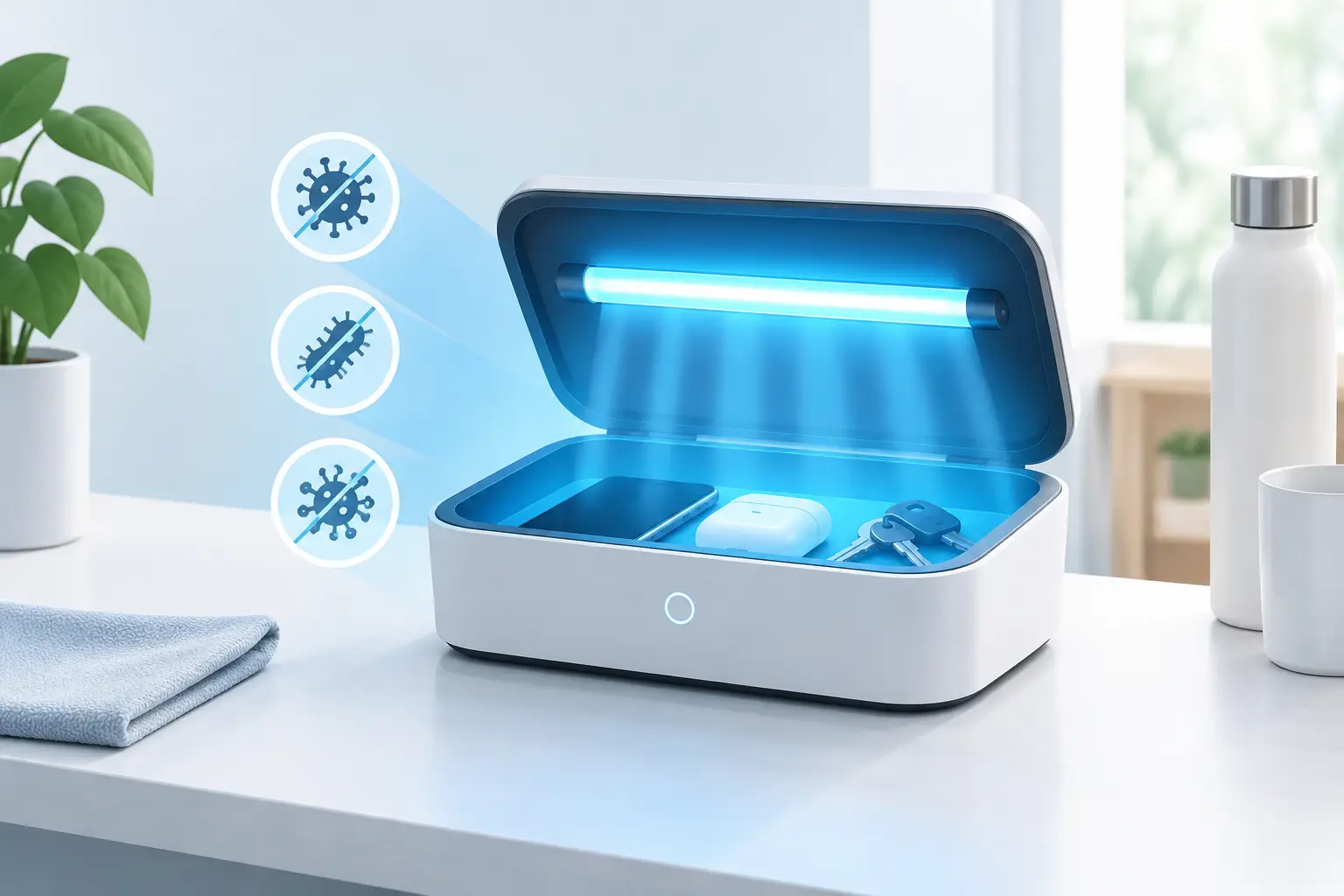
A private well can look clear, smell normal, and still contain microorganisms that should not be in your drinking water. That is why an ultraviolet sterilizer review should begin with the real question: is UV the right safeguard for your water source and your household or facility?
Ultraviolet, or UV, water treatment is a highly effective disinfection method when it is correctly sized, installed, and maintained. It does not change the taste of water, add chemicals, or remove minerals. Its role is specific: to inactivate bacteria, viruses, and other microorganisms as water passes through the system.
What an ultraviolet sterilizer actually does
A UV sterilizer directs water through a chamber containing a specialized UV lamp. The light disrupts the genetic material of microorganisms, preventing them from reproducing. The organisms are not filtered out of the water, but they are rendered unable to cause infection.
For Ontario homeowners using well water, this can provide valuable protection against microbiological contamination from surface runoff, flooding, changing groundwater conditions, or issues within a well system. For cottages, lake-water applications, rental properties, schools, and other high-use buildings, UV disinfection can also be an essential final treatment barrier.
The key word is final. A UV system performs best after water has been properly prepared. Sediment, iron, hardness, and cloudy water can block or scatter UV light, allowing microorganisms to pass through without receiving the required dose.
Ultraviolet sterilizer review: the benefits that matter
The strongest reason to choose UV is dependable disinfection without chemical handling. There is no chlorine taste, no chemical storage, and no contact tank required for a typical residential installation. Water is treated as it flows through the chamber, so there is no waiting period after the system is operating properly.
UV systems are also practical for whole-home use. When sized for the actual flow rate of the home, they can protect water used for drinking, cooking, showers, laundry, and brushing teeth. This is especially meaningful for families with young children, older adults, or anyone who wants added confidence in a private water supply.
For commercial and institutional properties, the same principle applies at a larger scale. Hotels, clinics, schools, care facilities, and food-service operations may require high-flow UV equipment engineered around demand, plumbing layout, and treatment objectives. A properly designed system protects the water supply without disrupting routine operations.
UV has another advantage: it works without changing beneficial mineral content. If your water is otherwise good but requires disinfection, a UV unit may be a focused solution rather than an unnecessary overhaul of the entire water chemistry.
Where UV systems have limits
An honest review must address what ultraviolet treatment cannot do. UV does not remove lead, dissolved iron, manganese, sulphur odour, hardness, salt, pesticides, chemicals, or sediment. It is not a replacement for a water softener, carbon filter, reverse osmosis system, or iron-removal system when those treatments are needed.
It also does not provide residual protection after the water leaves the UV chamber. Chlorination can leave a disinfectant residual in plumbing, while UV treats water at the point where it passes through the unit. For most properly maintained residential systems, that is appropriate. However, water with bacterial regrowth concerns, complex storage tanks, or long plumbing runs may need a broader treatment plan.
Water clarity is the deciding factor in many installations. If the water contains visible particles or has elevated turbidity, those particles can shield microorganisms from the ultraviolet light. Hard water and iron can also build up on the quartz sleeve surrounding the lamp, reducing performance over time.
That does not make UV a poor choice. It means pretreatment matters. A sediment filter may be enough in one home, while another may require iron removal, water softening, or both before the UV unit. Water testing identifies the correct sequence.
What to look for before choosing a UV sterilizer
The most important specification is not the lamp’s advertised wattage. It is the validated UV dose at your required flow rate. A unit must have enough capacity to treat the maximum flow your household or building can demand, not simply the average amount of water used in a day.
A small home with one bathroom has different needs than a home with several bathrooms, a large soaker tub, and multiple appliances running at once. Similarly, a commercial property must account for peak demand, not just occupancy. Undersizing a UV system can create a false sense of security when water flow exceeds its effective treatment capacity.
Look for a system with a clear service design. The lamp should be accessible for annual replacement, and the quartz sleeve should be removable for inspection and cleaning. A controller with an audible or visual lamp-life alarm is also valuable, since a UV lamp may continue to glow after its effective germicidal output has declined.
For critical applications, UV intensity monitoring provides another layer of assurance. Unlike a basic countdown timer, a sensor monitors the amount of UV light reaching the water. This is particularly helpful where water quality can change or where treatment documentation is important.
Installation is part of performance
A quality UV unit can underperform if it is installed in the wrong location. In most whole-home systems, UV is placed after sediment filtration and any equipment used for softening, iron removal, or carbon filtration. This arrangement gives the UV chamber the clearest possible water to treat.
Professional installation also addresses shut-off valves, bypass arrangements, electrical supply, drain requirements, pressure considerations, and local plumbing practices. The system should be mounted where annual maintenance can be completed without cutting pipes or dismantling other equipment.
For well water, a water test should be completed before selecting equipment and repeated when conditions change. Heavy rain, spring thaw, construction near the well, or a change in taste, colour, or odour can all justify retesting. A UV system is highly effective against microorganisms, but it should be selected as part of a plan based on the actual water quality.
Ongoing maintenance is simple but non-negotiable
UV maintenance is predictable. Most systems need a lamp replacement every 12 months, even if the lamp still appears to be working. The quartz sleeve should be inspected and cleaned or replaced as needed, especially in areas with hard water or iron.
Pre-filters need regular service as well. A plugged sediment cartridge can restrict water flow, while a neglected filter may allow poor-quality water to reach the UV chamber. Keeping a simple annual service schedule is the best way to protect both performance and water pressure.
If the system has been shut down for an extended period, serviced, or exposed to questionable water conditions, follow the manufacturer’s restart and disinfection procedures. In some situations, the plumbing may need to be disinfected to address contamination beyond the UV chamber itself.
Is an ultraviolet sterilizer worth it?
For a municipal-water home with no microbiological concern, UV may be optional. For a private well, cottage, lake-water source, or property where bacterial safety is a concern, it is often one of the most practical investments available. The value comes from pairing the system with the correct pretreatment and installing it for the flow rate the property truly requires.
Canadian Smart Home Solutions approaches UV as part of a complete water-treatment solution, not a one-size-fits-all add-on. The right system should address the risks in your water while protecting your plumbing, appliances, and daily confidence in every tap.
If you are considering UV disinfection, start with a current water analysis and an honest assessment of your property’s demand. A properly selected ultraviolet sterilizer is quiet, chemical-free, and easy to live with – but its real strength is the protection it provides when the rest of the treatment system is designed to support it.