
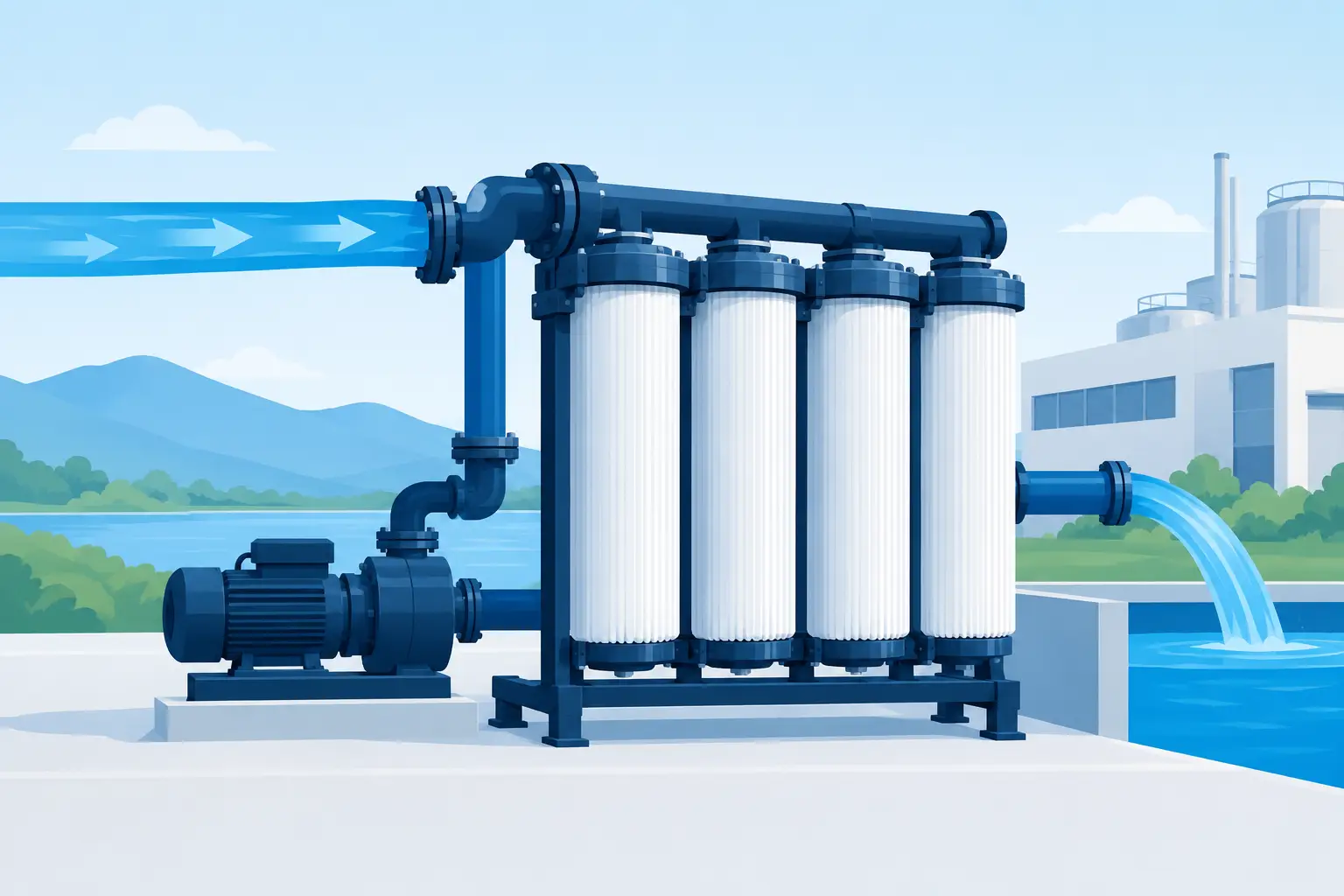
A school kitchen cannot pause service because sediment has plugged a filter. A hotel cannot accept poor shower pressure during peak occupancy. A manufacturing facility cannot risk scale, iron staining, odours, or untreated water affecting equipment and production. Custom high flow filtration is designed for these situations: properties that need dependable treatment at substantial flow rates without sacrificing water pressure or service continuity.
For larger buildings and high-use applications, choosing an oversized residential filter is rarely the answer. Water quality, peak demand, pipe sizing, operating hours, service access, and the consequences of a treatment failure all need to be considered together. The right system is engineered around the property, not pulled from a shelf and expected to solve every problem.
When Standard Filtration Is Not Enough
High water demand changes the treatment conversation. A single-family home may have relatively predictable use, but commercial and institutional properties can experience sharp demand spikes. A hotel may see dozens of showers running at once. A long-term care facility requires consistent water quality throughout the day. A restaurant may need high volumes for dishwashing, food preparation, ice machines, and handwashing stations within a short period.
When a filtration system is too small, the warning signs are often immediate: pressure drops at busy times, filters clog quickly, water quality varies between fixtures, or equipment fails to receive the flow it needs. In some cases, the issue is more gradual. Scale collects in boilers and water heaters, iron stains fixtures and laundry, sediment damages valves, or unpleasant sulphur odours create complaints from staff, residents, or guests.
A custom solution addresses both the contaminants in the water and the rate at which the building needs treated water. That distinction matters. A filter that removes sediment effectively at low flow may not provide adequate performance when several zones of a building are drawing water at the same time.
What Custom High Flow Filtration Can Address
The equipment selection depends on a proper water analysis and an assessment of the building’s water use. There is no single media tank or cartridge that suits every application. A well-water property with iron, manganese, and sulphur requires a different approach than a municipal-water building dealing with chlorine taste, lead concerns, fine sediment, or hardness.
Custom high flow filtration systems may combine sediment filtration, activated carbon, iron and sulphur removal, water softening, ultraviolet disinfection, reverse osmosis, or specialized media for specific water chemistry. Multiple stages are often the practical choice when the supply has more than one issue.
For example, sediment filtration may be installed first to protect downstream equipment from sand, silt, and debris. If chlorine, taste, or odour is a concern, carbon filtration may follow. Hard water can require a properly sized commercial softener to reduce scale on heating elements, plumbing fixtures, dishwashers, and water-using equipment. For private wells, treatment may also need oxidation, filtration media, and ultraviolet sterilization to manage both aesthetic issues and microbiological risks.
The objective is not to add equipment for its own sake. It is to create a treatment train that handles the actual water conditions while maintaining the required flow and pressure at the point of use.
Sizing Starts With Peak Demand, Not Building Size
Two buildings with the same square footage can have very different water treatment needs. A small restaurant can have higher peak flow requirements than a much larger office building. A multi-unit residence may have modest average consumption but significant morning and evening peaks. This is why square footage alone is not a reliable way to size a filtration system.
System design should consider the incoming water flow rate, pipe diameter, fixture count, number of occupants, equipment demands, expected simultaneous use, and available installation space. It should also account for pressure loss across tanks, filters, valves, and distribution piping. If a treatment system is not sized with pressure loss in mind, occupants may experience weak flow even when the incoming water supply is adequate.
Backwash requirements deserve the same attention. Many high-capacity treatment media require periodic backwashing to clean the bed and maintain performance. The drain connection, drainage capacity, control valve programming, and schedule must suit the site. A system that cannot backwash correctly will not deliver dependable long-term results, regardless of how good the filtration media may be.
The value of water testing and site assessment
Water can change with seasons, source conditions, plumbing work, and municipal treatment adjustments. For well and lake water, testing is especially important because mineral content, iron, sulphur, bacteria risk, turbidity, and pH can vary substantially.
A site assessment also identifies practical installation issues before equipment arrives. These include electrical requirements, drain access, bypass planning, floor space, freeze protection, service clearances, and whether the system should be installed in stages. Addressing these details early helps prevent costly changes later and makes routine maintenance far easier.
Protecting Equipment Is Often the Largest Return
Water treatment is frequently viewed as a water-quality upgrade, but it is also an equipment-protection strategy. Hardness minerals can form scale inside water heaters, boilers, steam equipment, commercial dishwashers, coffee machines, and plumbing lines. That scale reduces heat transfer, increases energy use, and can shorten equipment life.
Sediment creates different problems. Fine particles can foul valves, restrict strainers, damage pumps, and leave visible residue in fixtures. Iron and manganese can stain sinks, toilets, laundry, and process equipment, while sulphur odours can affect the experience of anyone using the building.
High-flow treatment helps protect the entire water system rather than only one drinking-water tap. For properties with expensive mechanical equipment or constant public use, that whole-building approach can reduce maintenance disruptions and support more predictable operating costs.
Installation and Service Are Part of System Performance
A well-designed system still depends on professional installation. Commercial and institutional treatment equipment must be integrated with existing plumbing, isolation valves, bypasses, drains, electrical connections, and local code requirements. It must also remain accessible for filter changes, media servicing, control-valve inspection, and future testing.
Canadian Smart Home Solutions designs and installs water treatment systems for Ontario properties that need more than a basic filter. The process should begin with the water source and the building’s real demand, then move to equipment selection, installation planning, commissioning, and ongoing support.
Maintenance requirements vary by system. Cartridge filters need scheduled replacement based on sediment load and usage. Carbon media, softener resin, ultraviolet lamps, and specialized filtration media each have their own service intervals. High-flow systems may use duplex or parallel configurations when continuous operation is essential, allowing one unit to be serviced while the other remains available.
The lowest upfront equipment cost is not always the lowest operating cost. An undersized system can mean frequent filter changes, pressure complaints, downtime, and premature wear on appliances. A properly engineered system may require a greater initial investment, but it is built to handle the demand it will actually face.
Choosing a System With Confidence
The best starting point is a clear description of the problem: staining, odours, scale, visible sediment, poor taste, microbiological concerns, appliance failures, or pressure loss during busy periods. Combine that information with current water testing and a realistic view of peak demand. This creates the foundation for a treatment recommendation that is practical rather than generic.
For a high-use property, clean water is not a luxury feature. It supports occupant comfort, protects equipment, and helps daily operations continue without avoidable water-related interruptions. The right custom system gives the building a dependable foundation for every tap, appliance, and process that relies on water.